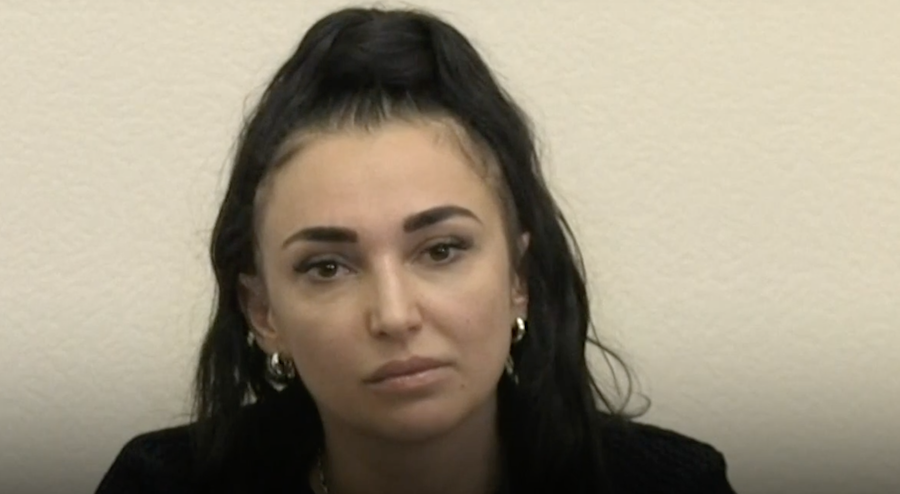

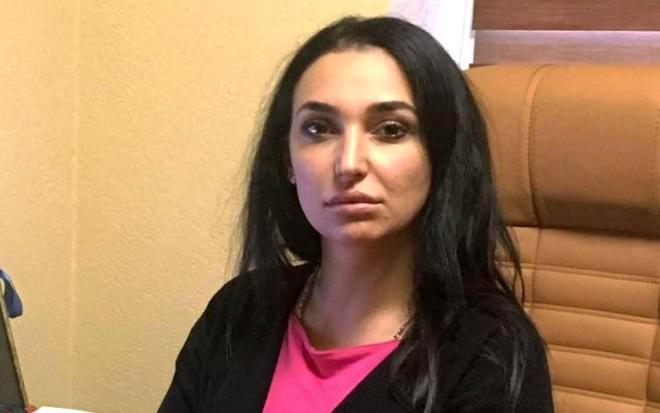


On May 21, 2026, the HACC completed the examination of former First Deputy Head of the State Migration Service Dina Pimakhova, charged with accepting a bribe in exchange for arranging a residence permit and Ukrainian citizenship for a foreign national. The examination lasted over three weeks.
It bears noting at the outset that as a defendant, Pimakhova bears no criminal liability for giving knowingly false testimony and may use this instrument to defend her position in the case.
Throughout her examination, Pimakhova maintained that she is the victim of a premeditated NABU provocation rather than a corrupt official. In her view, this is confirmed by the fact that as former Deputy Head of the SMS she objectively had no authority to resolve citizenship issues for foreign nationals. Describing the SMS structure in 2017, she explained that the Central Office — where she worked — performed only general oversight, while residence permits and citizenship were handled exclusively by regional bodies with which she had no involvement. Moreover, following a competitive selection process, she was assigned purely technical areas — IT and logistics support. She therefore insists she had no capacity to influence the legal employment or residence in Ukraine of the Iranian and Vietnamese nationals named in the case. The only assistance she could have offered was general advice — which she says she tried to avoid giving.
Pimakhova maintains that her vulnerability was exploited by undercover agent Serhii Titinkov, with whom she had developed a close friendship at the time. From June 2017, Titinkov persistently approached her, asked for help supposedly for his superiors, and hinted at financial “returns.” Pimakhova claims she had no desire to receive corrupt money, and that her behavior and ambiguous phrases captured in the covert recordings were merely an attempt to play along with Titinkov to test his real intentions and expose him. She explained the phrase “we'll draw it up” — said in response to a foreigner's problem with a diploma — as a result of nervousness. The list of documents she handed Titinkov at a restaurant was, she says, simply the official requirements for the legal registration of foreign residents. When conversations turned to specific sums, she claims she was consciously playing the role of a whistleblower and had even approached law enforcement before proceedings were formally opened against her.
She asked the court not to link the phrase “I dropped it off, everything's fine,” captured in the covert recordings, to money — insisting it referred to documents, and that Titinkov never asked her directly for a bribe. Her promises to “get everything done in three days through her people” she explained as an attempt to build the agent's trust and refer him to reliable specialists, to protect him from outside fraudsters. When Titinkov unexpectedly produced money at the restaurant, she says she was struck by sudden fear — “as if hit over the head” — and refused to take the package. All the sums discussed previously, she maintains, she understood as official payment for legitimate legal services, not as bribes.