

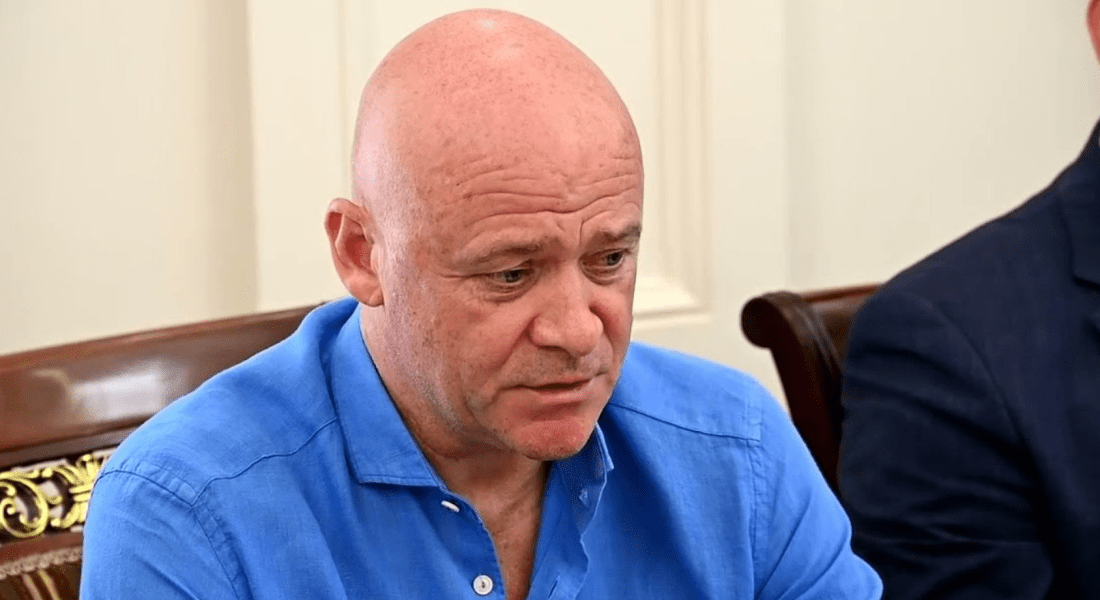


Today’s decision to hear the case of the alleged misappropriation of budget funds through the purchase of the Kraian plant anew is far from the first.
The panel first changed in June 2023, during the preparatory proceedings, when one of its judges was appointed to the HQCJ.
On September 21, 2023, the case was set for trial. Since then, the panel has changed three more times — on January 1, 2024, October 1, 2024, and June 15, 2026 — because judges went on childcare leave.
However, after the judge was replaced on October 1, 2024, the HACC denied the defense’s request to restart the trial. The court reasoned that the new judge had familiarized herself with the course and materials of the proceedings, had expressed her agreement with the decisions taken, and considered a new hearing unnecessary. In every other instance, the trial started over.
During lengthy top-level corruption trials, a change in the panel often “wipes out” years of work because of a formalistic reading of the principle of immediacy.
In practice, this has created legal uncertainty: some judges agree not to restart the trial since hearings are fully audio- and video-recorded, while others do not share this approach and order a new hearing. In some cases, the HACC Appeals Chamber has even overturned verdicts because the trial continued after a judge was replaced despite the defense’s wish to start over.
A substantive approach to the principle of immediacy, along with international experience, shows that high-quality technical recordings of hearings are a sufficient compensatory mechanism for a new judge.
Striking a balance between the quality of justice and reasonable time requires legislative changes. If the trial has been audio- and video-recorded, and the new judge has reviewed the materials and agrees with the previous decisions, the trial should continue. The parties’ consent should not be decisive.
The court may re-examine witnesses or re-review specific evidence on a party’s reasoned motion where there are objective grounds for doing so, not merely because the parties wish to start the trial over.
More on this in our analysis.

