

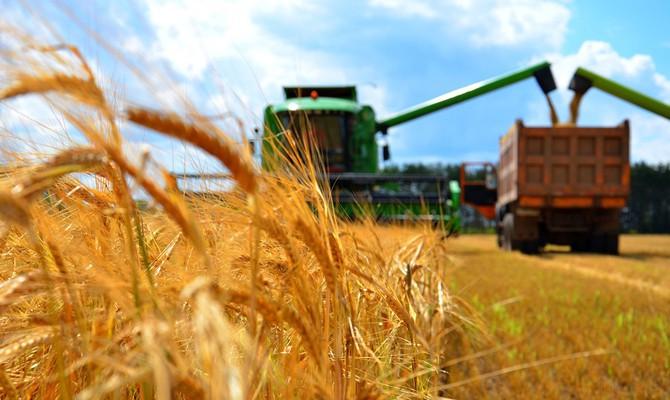
The NABU and the SAPO accuse Dmytro Dobrii, a representative of an international grain trader, of involvement in a scheme through which grain belonging to the state-owned company was supplied to Saudi Arabia via a chain of business entities, some of them bearing signs of being fictitious.
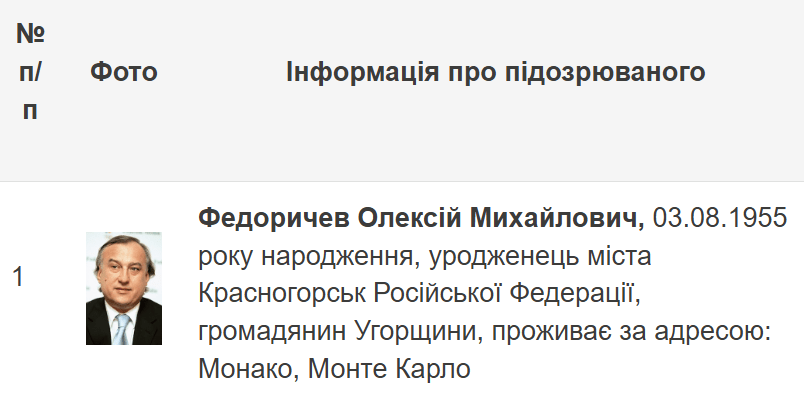
According to the investigation, in 2014 Russian businessman Alexey Fedorychev decided to expand his agribusiness and made contact with Petro Vovchuk, then Chairman of the Board of State Food and Grain Corporation, offering bribes in exchange for selling grain on favorable terms — at below-market prices and with deferred payment.
To disguise the scheme, the parties brought in a foreign intermediary company, to which SFGCU sold grain at a lower price; that company would then immediately resell it to a controlled structure at a higher one, leaving the difference on foreign accounts as illicit gain.
Among those drawn into the scheme was Dmytro Dobrii, a representative of an international grain trader, who personally oversaw the signing of the sham contracts.
The first stage of the scheme was executed when the parties signed contracts for the supply of 75,000 tons of barley at USD 209 per ton, even though the market price at the time exceeded $215. As a result of this manipulation, more than $667,000 was to remain in the accounts of the intermediary company SOMERTON — money earmarked for the leadership of PJSC SFGCU. The grain was successfully loaded onto the vessel PEACE ARK, and the state lost significant funds from the very start of the cooperation.
Later, drawing on the corrupt ties they had established, Fedorychev and his accomplices — Dobrii among them — convinced SFGCU staff of the reliability of LIRTAVIS ENTERPRISES LTD. Four further large contracts were then signed for a total of over $72 million. The key term was a payment arrangement that allowed those involved to obtain ownership of the grain and resell it to end buyers before it had actually been paid for to the state corporation.
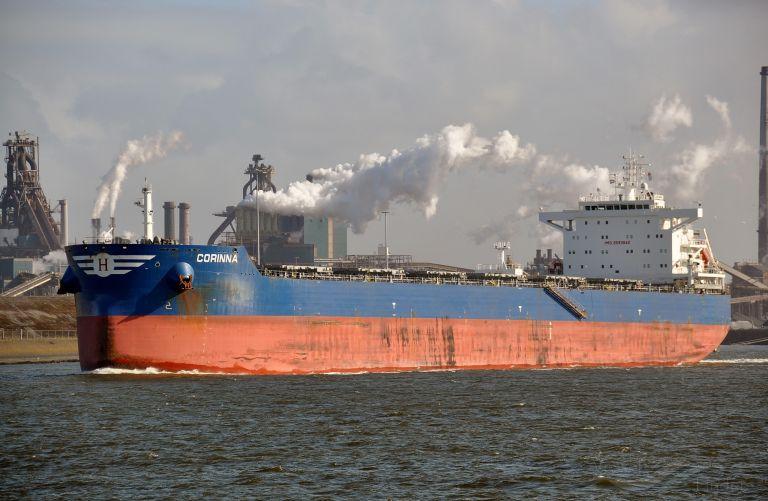
According to the prosecution, the perpetrators in fact had no intention of paying for the products they received. The state grain was resold to a Saudi Arabian company and shipped out aboard the vessels Tonic Sea, Corinna, and others. As a result of these manipulations, PJSC SFGCU lost more than 273,000 tons of barley and 22,000 tons of wheat. The total damage caused to the state by this fraud exceeded $660,000 (UAH 797 million).
The final stage of the criminal activity was the laundering of proceeds from the sale of the stolen grain. On the instructions of the scheme's organizer, Dobrii used online banking to move funds received from foreign buyers between controlled offshore accounts. In particular, funds were transferred from the Cypriot company LIRTAVIS to the accounts of GRAIN-TRANS LTD under the guise of payments for fictitious transport and information services that had never actually been provided.
In all, the scheme caused damage to the state, represented by PJSC SFGCU, of at least UAH 45 million.
Dmytro Dobrii's actions have been classified under Articles 369(3), 190(4), and 209(3) of the Criminal Code of Ukraine. His trial is ongoing.
The HACC has already approved a plea agreement with former Chairman of the SFGCU Board Petro Vovchuk, who received three years of probation. Plea agreements were also reached with Vitalii Korniienko, owner of the company used to receive the bribe, and Oleksii Venetskyi, head of an SFGCU directorate, who signed grain supply contracts with Fedorychev's structures. Both also received probation instead of actual imprisonment.
The HACC also sentenced Vovchuk's adviser Anatolii Zavadskyi to 10 years in prison. The HACC Appeals Chamber, however, reduced the sentence to 8 years. Businessman Fedorychev is on the wanted list.

 13/01/2020


