


The HACC convicted Oksana Prokopenko, director of small private enterprise Eltrans, on the basis of a plea agreement, finding her guilty of embezzling UAH 8.98 million in budget funds in connection with the design of a tram line reconstruction project in the Desnianskyi district of Kyiv.
Prokopenko acted in conspiracy with the then-management of municipal enterprise Kyivpastrans — specifically Pavlo Kyryliuk and Yurii Kurbal — using forged documents and 12-year-old design documentation.
In 2020, Oksana Prokopenko entered into a criminal conspiracy with acting Deputy Director General of Kyivpastrans Pavlo Kyryliuk and Director of the Capital Construction Directorate of Kyivpastrans Yurii Kurbal.
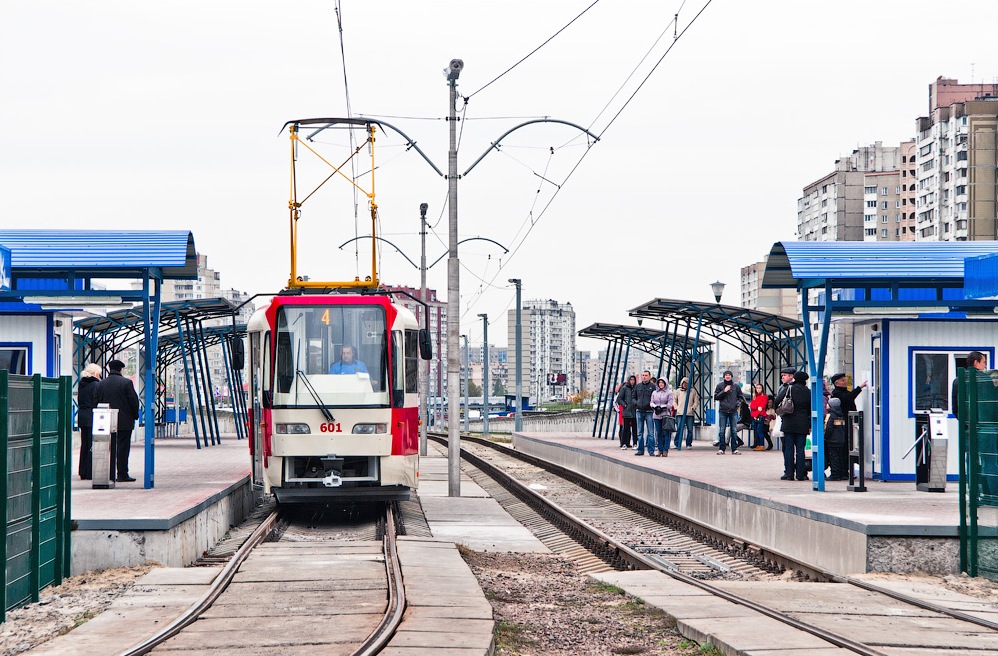
The scheme's objective was to misappropriate city budget funds allocated for the design of a tram line reconstruction from Myloslavska Street to Darnytsia railway station.
The scheme was carried out in stages. First, Prokopenko secured her enterprise's tender win by submitting false information about its staff — listing engineers who did not actually work for Eltrans. Rather than developing new documentation, she copied the design documents from 2008, for which Kyivpastrans had already paid another small private enterprise years earlier.
To conceal the plagiarism and the absence of any actual work, Prokopenko personally forged the signatures and stamps of experts on the project drawings. Knowing the documents were forged, Kyivpastrans officials Pavlo Kyryliuk and Yurii Kurbal signed the acceptance certificates. This allowed UAH 8,980,183 to be transferred without grounds to Eltrans's accounts, with the conspirators subsequently distributing the funds among themselves.
The SAPO prosecutor justified the plea agreement on public interest grounds — specifically the importance of exposing the organizers of the criminal scheme within the Kyivpastrans management. Under the terms of the agreement, Prokopenko undertook to provide incriminating testimony against Pavlo Kyryliuk, Yurii Kurbal, and other Kyivpastrans officials. In addition to her willingness to cooperate, the prosecution took into account a voluntary payment of UAH 100,000 as partial compensation for damages under the plea agreement.
Oksana Prokopenko pleaded fully guilty. Defense counsel emphasized that his client not only made an unequivocal admission of the embezzlement and document forgery, but also provided material information about the roles of the other participants in the scheme.
The defense's principal argument was the defendant's genuine commitment to restitution. Counsel presented the court with evidence of a UAH 100,000 payment already made to Kyivpastrans and confirmed the client's obligation to repay the remaining amount on an agreed schedule. The defense also stressed that the plea agreement was the most effective means of securing both punishment for those responsible and recovery of funds to the budget. Additionally, the defense asked the court to consider the defendant's personal circumstances — no prior criminal record, higher education, and a positive character profile — and argued that a probationary period would be sufficient for her rehabilitation, given her cooperation and commitment to compensating the municipal enterprise.
Prokopenko was charged under Articles 191(5) and 366(1) of the Criminal Code of Ukraine.
The court sentenced Prokopenko to eight years' imprisonment and a three-year ban on holding administrative and managerial positions. Pursuant to Article 75 of the Criminal Code, she was released from the custodial sentence on two years' probation. The charge under Article 366 (official forgery) was dismissed due to the expiry of the statute of limitations.

 11/07/2025


