

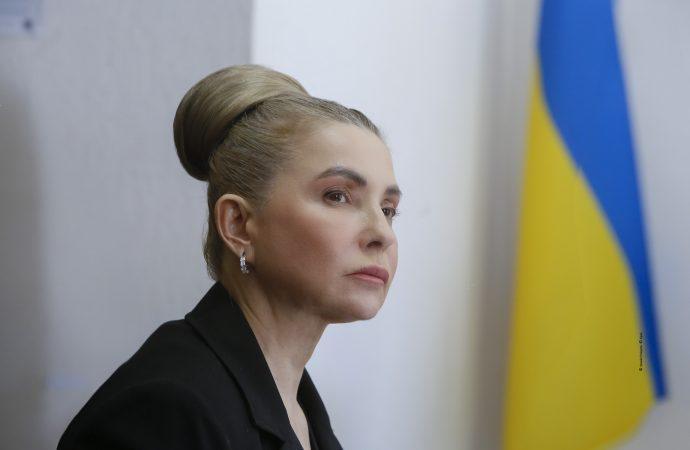


On July 3, 2026, the HACC's Appeals Chamber reviewed a motion filed by MP Yulia Tymoshenko's lawyer seeking to change the jurisdiction of the criminal proceedings.
The panel of judges denied the motion, leaving the case with the High Anti-Corruption Court.
Tymoshenko's lawyer argued that one of the judges had previously taken part in reviewing an appeal to the Chairman of the Verkhovna Rada concerning the activities of the temporary investigative commission (TIC) headed by Serhii Vlasenko, and could therefore be biased. Tymoshenko herself added that the current chairman of the Appeals Chamber had, at a meeting of judges, voted to remove information published by Vlasenko that the court later found to be false.
The judge objected, noting that he did not hold the position of Appeals Chamber chairman at the time. The prosecutor opposed the recusal motion. The court denied it.
Motion to summon a witness and postpone the hearing
The defense then asked the court to summon Serhii Vlasenko to clarify the circumstances of his apparent conflict with the HACC as an institution. On that basis, Tymoshenko asked to postpone the hearing, since Vlasenko was currently outside Kyiv. The prosecutor objected, arguing the motion did not meet the requirements of the Criminal Procedure Code. The court denied it.
Review of jurisdiction on the merits
The court then turned to the substance of the jurisdiction motion. The defense argued that the TIC had systematically criticized the HACC and other anti-corruption bodies, creating a public conflict between them. Since the TIC's activities were, in the defense's view, tied to the Batkivshchyna party and Yulia Tymoshenko's political image, this could allegedly compromise the court's impartiality. The lawyer called this an exceptional case and a violation of international conventions, asking that the case be transferred to the Kyiv Court of Appeal.
Yulia Tymoshenko claimed there was a “multi-level conflict” between herself, on one side, and NABU, SAPO, and the HACC, on the other, calling these bodies “unlawful.” She described the criminal case against her as a targeted attack, linking it to events from July 2025, when she opposed the independence of anti-corruption bodies. In her remarks, Tymoshenko also called Ukraine a “neo-colony” and described the case against her as “dishonest.”
The prosecutor denied any conflict between the HACC and any political force, adding that the TIC has since ceased operating. In his view, the defense is artificially fueling the idea of such a conflict. He also noted that the defense was demanding a review of constitutional matters, which fall outside the HACC's authority, and that the Kyiv Court of Appeal has no jurisdiction over the case in any event.