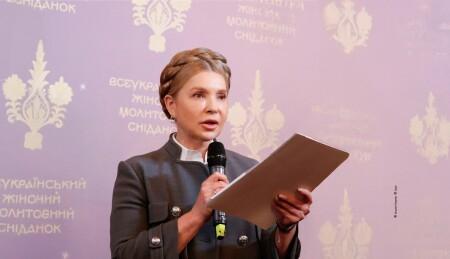

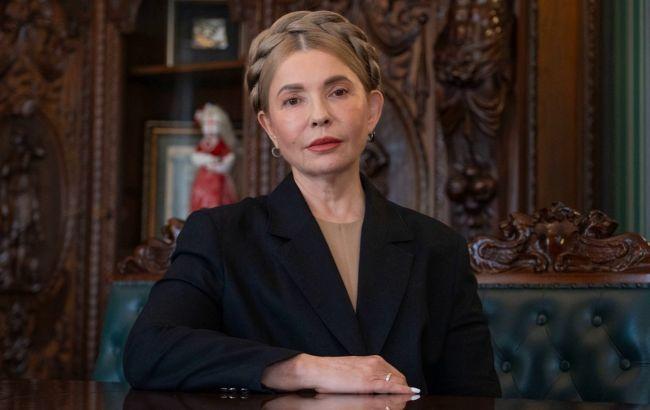
The NABU and the SAPO accuse Yulia Tymoshenko, the head of the Batkivshchyna parliamentary faction in the Verkhovna Rada of Ukraine, of attempting to bribe members of parliament in order to influence the outcome of parliamentary votes.
Yuliia Tymoshenko is a two-time Prime Minister of Ukraine (2005; 2007–2010), former Deputy Prime Minister for the Fuel and Energy Complex (1999–2001), and a Member of Parliament of the 2nd–6th, 8th, and 9th convocations of the Verkhovna Rada.
According to the investigation, the alleged conduct was prompted by NABU and SAPO’s exposure in December 2025 of instances in which certain Members of Parliament allegedly received improper benefits in exchange for voting on particular draft laws. After that, law enforcement authorities report, tensions escalated in the Verkhovna Rada, including around coalition formation, voting discipline, and oversight of voting results.
It was at that point, investigators believe, that Yuliia Tymoshenko initiated negotiations with certain Members of Parliament. They were allegedly offered a systematic, recurring improper benefit in exchange for loyal conduct during parliamentary voting. This was not framed as a one-off arrangement; rather, it allegedly involved building a structured mechanism of cooperation intended to operate over an extended period.
As established by the investigation, the parties discussed a monthly payment covering two voting sessions at once, with the funds to be transferred in advance. The case materials state that this scheme was intended to function on an ongoing basis and to be individually “tailored” to each participating MP. According to the participants in the discussions, the “rates” were to be substantially increased—an amount of $10,000 was discussed.
Based on audio recordings released by the NABU and the SAPO of a conversation with an unidentified Member of Parliament, the cooperation was intended to be long-term, regular, and prepaid. The investigation also asserts that Yuliia Tymoshenko told the interlocutor that voting instructions or instructions not to participate in a vote would be communicated via the encrypted messenger Signal.
Investigators recorded that Members of Parliament allegedly received specific voting instructions: vote in favor, vote against, abstain, or not vote. These directions allegedly concerned each agenda item and were accompanied by warnings to maintain strict discipline and to avoid any “failures” during voting.
According to the prosecution’s version of events, the arrangements extended beyond draft laws. They also allegedly covered parliamentary personnel matters: coordinating votes to dismiss certain officials, as well as abstaining or not participating in votes on their appointment. Under the discussed tactic, draft laws would first be placed on the agenda and later “failed” during consideration on the merits—allegedly to block undesirable initiatives.
In particular, this allegedly concerned votes to dismiss Denys Shmyhal from the post of Minister of Defense and Mykhailo Fedorov from the post of Minister of Digital Transformation, followed by voting against Shmyhal’s appointment as Minister of Energy and Fedorov’s appointment as Minister of Defense.
The investigation also recorded arrangements for in-person meetings to transfer money in advance for several voting sessions at once. In parallel, alternative methods of communication and delivery of instructions were discussed, including messages indicating the desired voting outcome for each agenda item.
During searches, law enforcement authorities report, a large amount of cash in $100 denominations was found on Yuliia Tymoshenko. According to the investigation, this money was intended to be used to provide systematic improper benefits to Members of Parliament in exchange for loyal conduct during voting in the Verkhovna Rada.
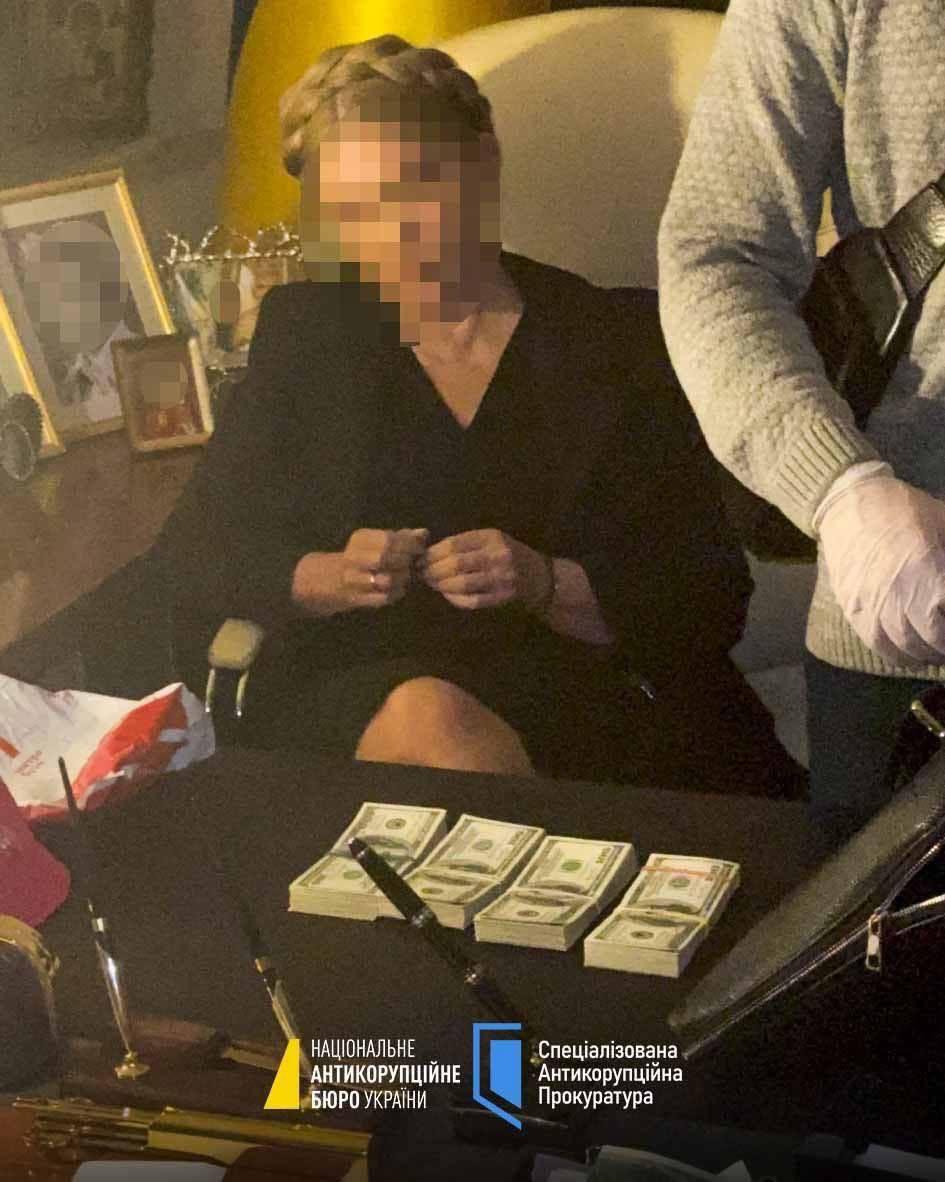
The alleged acts have been legally classified under Article 369(4) of the Criminal Code of Ukraine. The pre-trial investigation is ongoing.
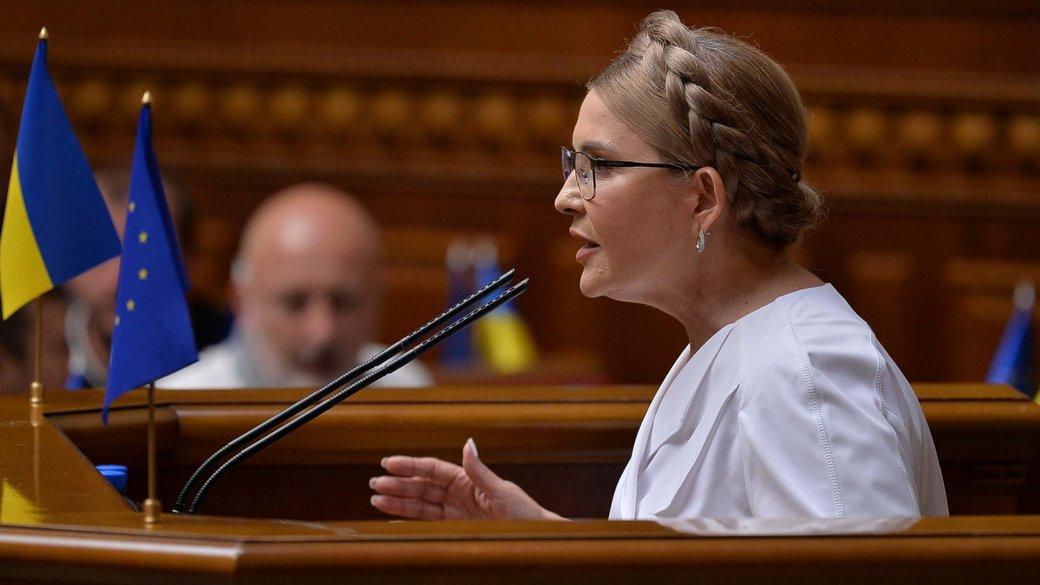
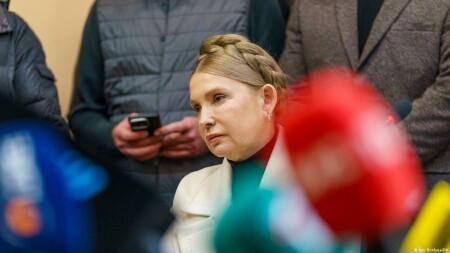
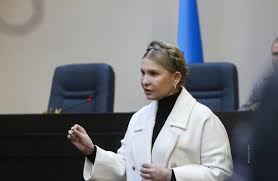
Yuliia Tymoshenko has denied all allegations. In a speech in the Verkhovna Rada, she stated that the NABU is an instrument of political pressure, and she described the recordings, on which a voice likely resembling hers can be heard, as “emotions.”
She also stated that, during the searches, more than 30 armed individuals, without presenting identification documents, “effectively seized the building and took employees hostage.” The MP described the search as a “grand PR stunt” and emphasized that, in her words, law enforcement “found nothing,” but seized work phones, parliamentary documents, and personal savings, which she claims are reflected in her official asset declaration.
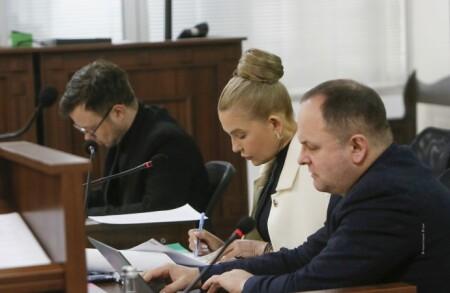
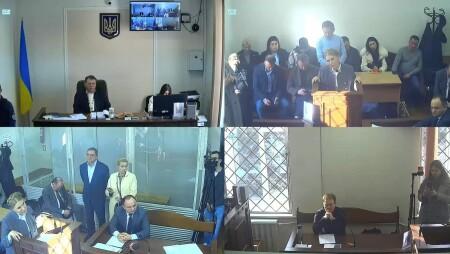
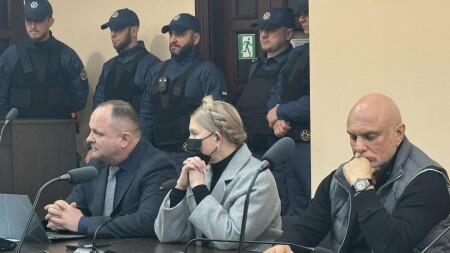
A SAPO prosecutor filed a motion with the HACC seeking to impose an interim measure on Tymoshenko in the form of UAH 50 million in bail and to place a number of obligations on her, including wearing an electronic monitoring bracelet.
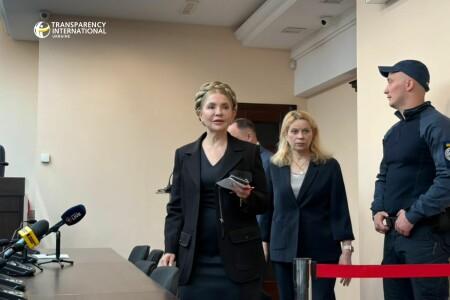
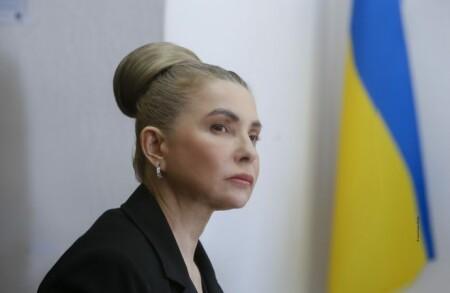
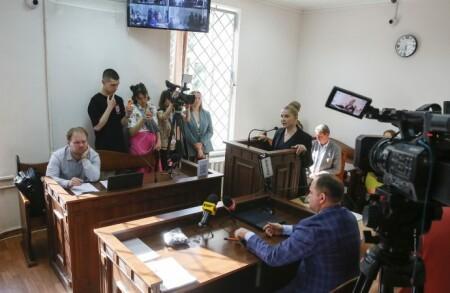
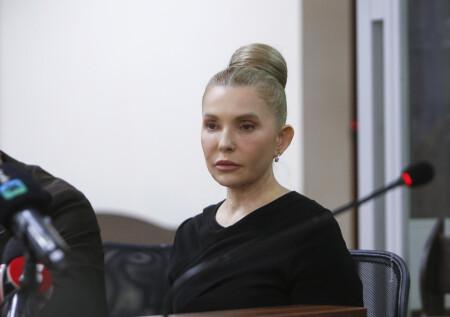
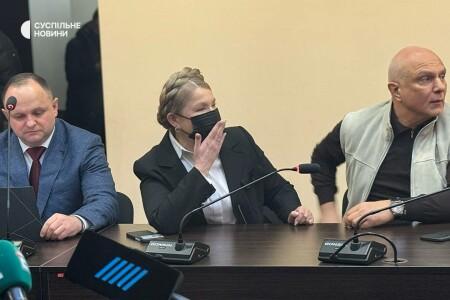
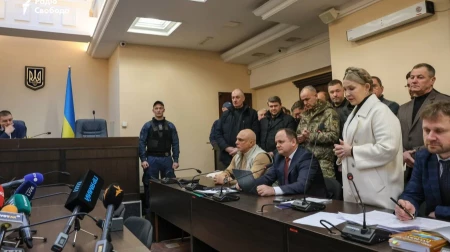
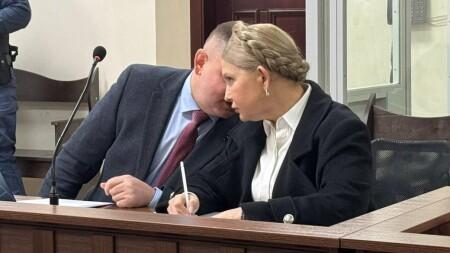
During the hearing on the interim measure, Tymoshenko emphasized the importance of her work in parliament and criticized the authorities’ actions. In her view, the country’s sovereignty is currently being destroyed, and she and her faction are “standing up against” this. She also said that Ukraine is now seeing a “return to 1937” and “Stalinism,” and compared the country to North Korea. She stressed that the investigation has no evidence, and called NABU a gang. She asked the court to refuse to prohibit her from communicating with MPs, arguing it would interfere with her parliamentary work, and also asked the court not to apply any interim measure to her at all.
The HACC partially granted the prosecutor’s motion, setting bail for Tymoshenko at UAH 33.3 million and ordering her to surrender her international passport, but it did not require her to wear an electronic monitoring bracelet.
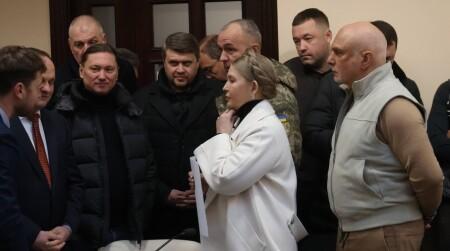
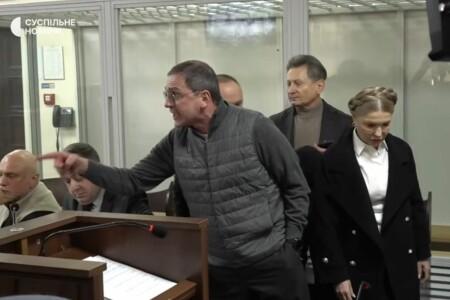
HACC investigating judge Vitalii Dubas submitted a notice to the High Council of Justice and the Prosecutor General alleging interference with the administration of justice by a number of MPs who attended the January 19 hearing on the seizure of suspect Tymoshenko’s assets. They shouted insults and threats at the judge and a NABU detective and ignored warnings. Despite the court’s decision to hold the hearing in closed session, they refused to leave the courtroom; after the hearing was moved to another room, they forced their way in, pushing security staff. The hearing had to be adjourned until the next day.
It later became known that Yuliia Tymoshenko also filed a complaint with the High Council of Justice against Judge Dubas, alleging that he was carrying out a “political order from the country’s new corrupt owners,” and claiming that her team had evidence that he had violated the law.
Prior criminal cases involving Tymoshenko
Overall, in Ukraine’s modern history, Tymoshenko has been arrested and faced criminal proceedings several times. The most widely known arrest took place in 2011 over the “gas contracts” with Russia. The court imposed a seven-year prison sentence, of which the politician served nearly three years. She was released only after the Revolution of Dignity in 2014, and the European Court of Human Rights subsequently officially found that the process was politically motivated and unjustified.
In addition, in various years, she has faced other allegations—from attempted bribery of judges to the alleged misuse of “Kyoto funds” for pension payments. The Security Service of Ukraine also investigated a case involving the transfer of United Energy Systems of Ukraine's debts (over $400 million) to the state budget, in which she appeared together with Pavlo Lazarenko.

 28/05/2026


.png)
.jpg)
.jpg)

.jpg)
.jpg)