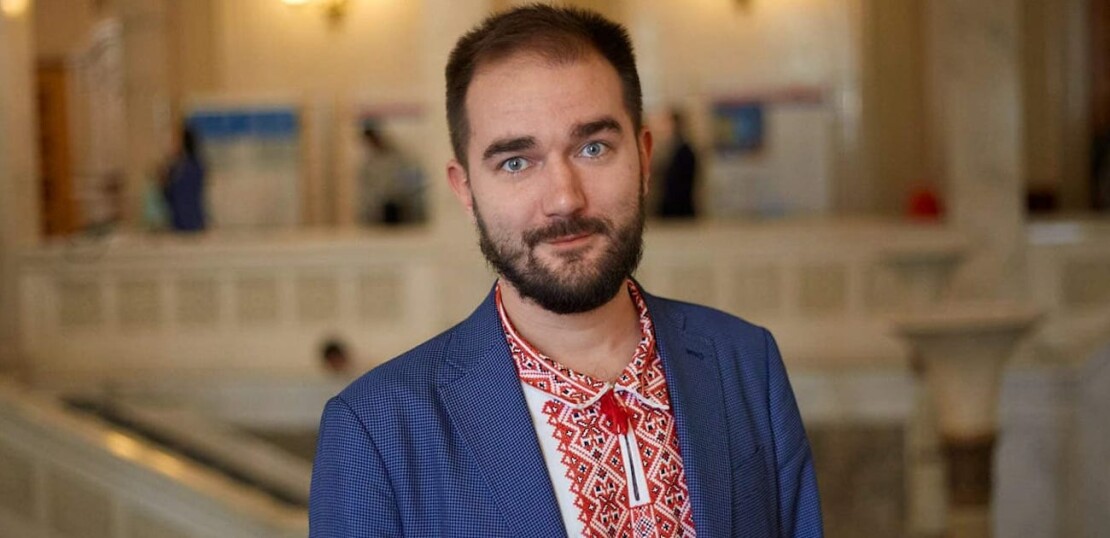



On September 11, 2026, closing arguments concluded in the case of MP Oleksandr Yurchenko, charged with extorting and accepting a bribe for lobbying legislative changes.
In the arguments, the prosecutor insisted Yurchenko's guilt had been proven and asked the court to convict him under Article 368(4), Article 27(4), and Article 369(4) of the Criminal Code. The prosecutor sought 11 years in prison, a three-year ban on holding certain offices, and confiscation of all his property. In the prosecution's account, as head of the relevant committee Yurchenko wielded influence in parliament and used his position to extort and take bribes.
The defense disputed this, emphasizing entrapment and the absence of any elements of a crime in the defendant's actions. NABU agent Demchenko, the defense argued, had effectively induced Yurchenko to commit the offense, so the court should acquit him. The defense also said the prosecution's evidence should be ruled inadmissible.
In his final statement, Yurchenko asked the court to acquit him. He brought up a road accident in Lviv that he claimed had been staged by a NABU officer. He said he continues to fight for justice and never took any money. Yurchenko stressed that his family remains in Ukraine and has not gone abroad. Since the case began, he said, he had effectively become an outcast: colleagues stopped greeting him, and he was branded a corrupt official. To the hearing, Yurchenko brought service members he had once fought alongside in the territorial defense.
The events of the case date to the summer of 2020, when MP Oleksandr Yurchenko and his unofficial aide Ivan Fishchenko set up a scheme to extort bribes for lobbying legislative changes. Investigators say Yurchenko demanded $13,000 — referred to in the correspondence as "perks" — for tabling amendments to the household-waste bill. He also demanded $200,000 to bribe other MPs on the committee and secure a successful vote.
Shortly before this, the NABU had learned of an organized group in parliament engaged in trading in influence among MPs. A NABU detective, Demchenko, working undercover, then made contact with Fishchenko and presented himself as a representative of a foreign industrial company. He documented the negotiations and, in early August 2020, handed the first portion of the unlawful benefit — $13,000 — to the intermediary, Fishchenko. The NABU learned the operation had been "leaked" and later served Yurchenko with a notice of suspicion.
The Yurchenko case was the second suspicion served on an MP after parliament "lifted immunity" from lawmakers — and notably, he was the first such MP from the "mono-majority." On September 13, 2020, the NABU exposed Yurchenko, yet Prosecutor General Iryna Venediktova spent four more days looking for grounds to sign the suspicion. She signed the document only after Volodymyr Zelenskyi publicly called the MP a “corrupt official.”
The case reached the HACC in August 2021, and the trial on the merits ran from September that year. Hearings were often postponed — sometimes because Yurchenko, away on work trips, failed to appear; sometimes because of the defense's many motions; sometimes because the other defendant, Fishchenko, mobilized into the Armed Forces of Ukraine, did not appear. Proceedings against Fishchenko were later suspended.