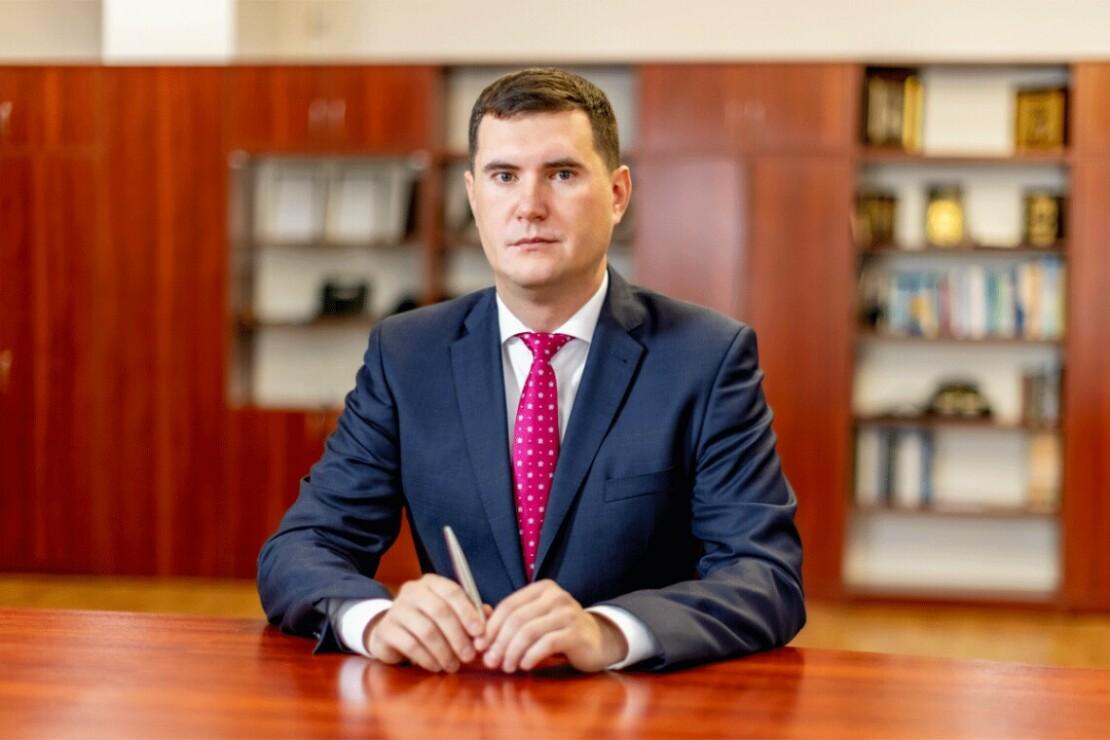

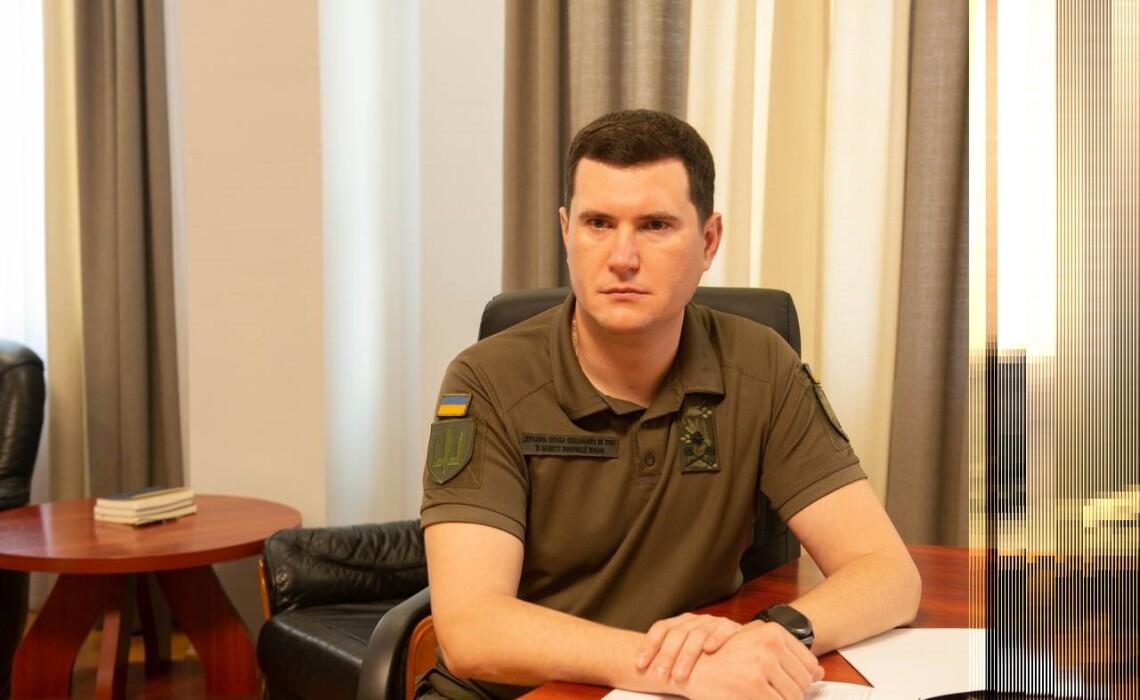


On July 30, 2026, the HACC moved to opening statements in the case concerning the embezzlement of budget funds allocated to the State Service of Special Communications and Information Protection of Ukraine (Special Communications) for software procurement. The court can now proceed to hearing the case on the merits.
The HACC had ruled to conclude the preparatory proceedings back on June 5, but opening statements were delayed despite five subsequent hearings. Those hearings attempted to read out the full text of the indictment. The difficulty was that one of the defendants — Viktor Zhora, former deputy head of Special Communications — is currently serving in the Armed Forces of Ukraine in a combat zone. Since the indictment could not be served on him in person, the court proposed reading it out during a hearing so Zhora could join by video link and hear it — but connection problems kept interrupting the process.
During the hearing, the prosecutor stated that in late 2020, businessman Roman Koval formed an organized group to seize state funds by artificially inflating the prices of equipment and software procured through companies under his control.
Koval brought in accountant Zoia Perepelytsia to handle the financial operations of the companies and calculations. He also helped secure Viktor Zhora's appointment as Special Communication's deputy head for digital development. After taking that post in January 2021, Zhora went on to bring in Special Communications chief Yurii Shchyhol. Shchyhol and Zhora then recruited Artur Vitrenko, director general of Ukrspetssystems SE (USS), who in March 2021 began issuing corresponding instructions to his deputy, Yurii Maistruk.
According to investigators, the group divided responsibilities clearly:
- Koval provided overall direction, secured cover for the scheme, and managed the diverted funds;
- Shchyhol and Zhora ensured the approval of the necessary technical documentation and budgeting, and groundlessly classified the procurements to block outside competitors;
- Vitrenko and Maistruk organized the formal tender procedures, solicited bids from designated firms, and ensured contracts were signed and budget funds transferred to Koval's companies.
Upon learning that the foreign company EPAM Systems already had a ready-made software package needed to build the “EU platform,” the defendants deliberately tailored the procurement's technical requirements to match it and classified the tender as “Secret.” USS then held the procurement, which a firm controlled by Koval won at a significantly inflated price. The scheme siphoned over UAH 113 million from the budget.
Immediately after signing the contract with USS, Koval's intermediary company, Inside Solutions, subcontracted the American firm EPAM Systems to build the EU platform. Since that contract required a 30% advance payment, Inside Solutions paid the developer entirely with budget funds, while a fixed exchange rate built into the deal guaranteed profit from the markup between the price paid to EPAM and the price charged to the state. After receiving the software, property rights, and library of special electronic keys from EPAM, the scheme's participants signed sham contracts with foreign companies (including a Hungarian one) for the supposed supply of additional components that were, in fact, already included in the base product. Koval, Zhora, and other participants passed the resulting difference to Special Communications chief Yurii Shchyhol.
In late 2021 and early 2022, Koval, Shchyhol, and Zhora planned a second theft, this time under the guise of upgrading the same EU platform. To conceal their actions, they brought in a new intermediary — Sember Trade — and groundlessly added expert assessment and configuration services to the budget, work that the USS's own staff could have performed.
On Vitrenko's instructions, Maistruk prepared the corresponding feasibility study. After the full-scale invasion began, Shchyhol secured funding from the Cabinet of Ministers' reserve fund and redirected UAH 180 million to the project by internal order.
To avoid an open tender, Shchyhol, Zhora, and Vitrenko decided to classify the procurement: Maistruk groundlessly listed in the technical specifications an address for a facility classified as “Secret” — even though the facility existed only on paper — and set deliberately unrealistic delivery deadlines. To simulate competitive bidding, Maistruk sent inquiries to several firms that declined due to the tight deadlines, clearing the way for the controlled firm Sember Trade to submit an agreed price of UAH 174.9 million.
After signing the contract, Sember Trade immediately subcontracted the same EPAM Systems — this time at a significantly lower price of $3.6 million. The prosecutor did not specify the hryvnia equivalent at the time, but it was clearly far below UAH 174.9 million. The group planned to pocket the difference between the two sums.
The prosecutor also gave a brief account of Zoia Perepelytsia's role as an accomplice in the scheme. According to investigators, she had provided accounting services since 2012 to businesses controlled by Roman Koval, including Inside Solutions and Sember Trade, and possessed strong qualifications and extensive experience in financial accounting, reporting, and bank account management.
Within the scheme, investigators say she coordinated financial matters between the participants and the companies involved, drafted contracts and other documents for the procurement and resale of IT equipment, monitored the movement of funds through accounts linked to Koval's companies, and arranged transfers on his instructions. She also helped design the fund-flow schemes between the companies involved and tracked the inflow, movement, and distribution of the budget funds among the group's members.
In his opening statement, the prosecutor said the scheme's participants misappropriated over UAH 62 million in budget funds this way. The criminal plan ran from late 2021 to 2023, with active implementation beginning right after Zhora's appointment to Special Communications.
The scheme's participants determined in advance the winners of the procurements, contract amounts, and profit distribution. To eliminate competitors, they groundlessly classified the procurements as secret. The proceeds were siphoned off and distributed through accounts of sham Hungarian and American companies.
The prosecutor also noted that the prosecution would examine numerous conversations among the scheme's participants, in which they used code names for themselves. According to investigators, Shchyhol was called “Phoenix,” Koval — “Yoda,” Perepelytsia — “Komsomolka,” Vitrenko — “Archie,” and the Special Communications service itself — “Kolkhoz.”
Perepelytsia's defense also spoke today. Her lawyer maintained that the entire case was fabricated, focusing his argument on alleged violations of deadlines and procedural rules during the pretrial investigation. He claimed the prosecution had treated all documents provided by EPAM SYSTEMS as fact, without weighing any other evidence, and argued that Perepelytsia's actions amounted to ordinary, routine accounting work rather than anything unlawful.
Opening statements in the case will continue on August 4.