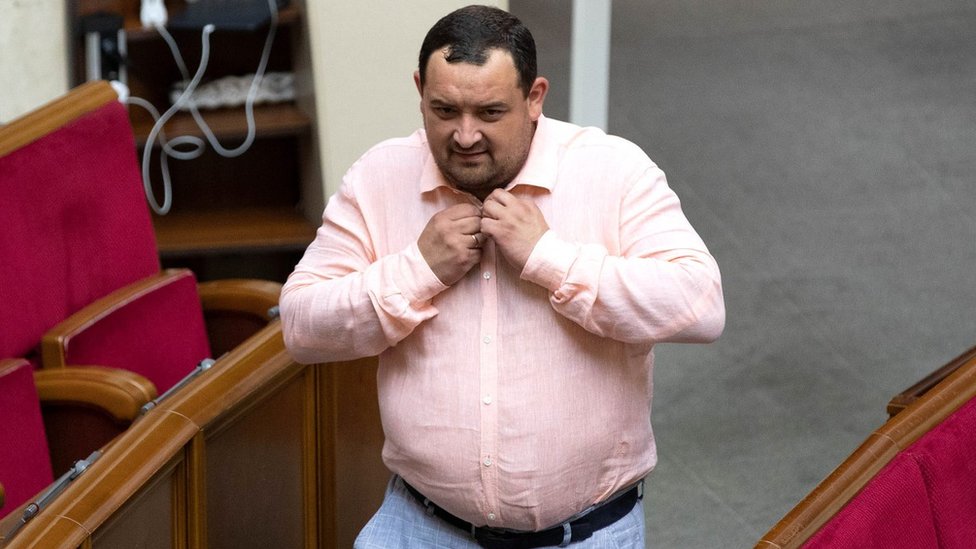




The High Anti-Corruption Court is continuing its questioning of MP Serhii Kuzminykh, during which his defense counsel announced that he had prepared more than 600 further questions for his client.
Before the questioning began, the presiding judge also announced that she had scheduled an additional hearing for the very next day, despite flat objections from the lawyer, who said he was engaged in another trial. The court warned the defense that if the defendant failed to secure his counsel’s attendance, the case would proceed without him.
During the questioning, the court repeatedly disallowed the lawyer’s questions as repetitive or as referring to materials the panel had already examined.
This defense tactic may be a direct continuation of the systematic delays that the court has repeatedly found to be an abuse of procedural rights. Kuzminykh’s questioning itself was supposed to begin back in August, but the court only actually got to it at the end of September.
Overall, the defense regularly resorts to procedural abuses, likely to drag out the trial: unfounded recusal motions, last-minute motions to adjourn hearings, and failures by the defendant or his lawyers to appear. Kuzminykh also brought in new lawyers ahead of his questioning, so the court had to set aside extra time for them to review the case materials.
The defense’s procedural delays are likely tied to an approaching deadline. The statute of limitations for holding the MP liable expires in three months, in January 2027, after which Kuzminykh will have legal grounds to demand that the case be closed without a verdict.
Artificially dragging out trials until the statute of limitations runs out has long been a chronic problem in the anti-corruption field. The need to improve how limitation periods are regulated is acknowledged in state policy documents and forms part of international recommendations.
Draft Law No. 15354, registered in Parliament, is meant to close this loophole, but it is still awaiting consideration. In our analysis, we explained the draft law’s key provisions in detail. MPs should adopt Draft Law No. 15354 in first reading and then address the comments raised before the second reading.