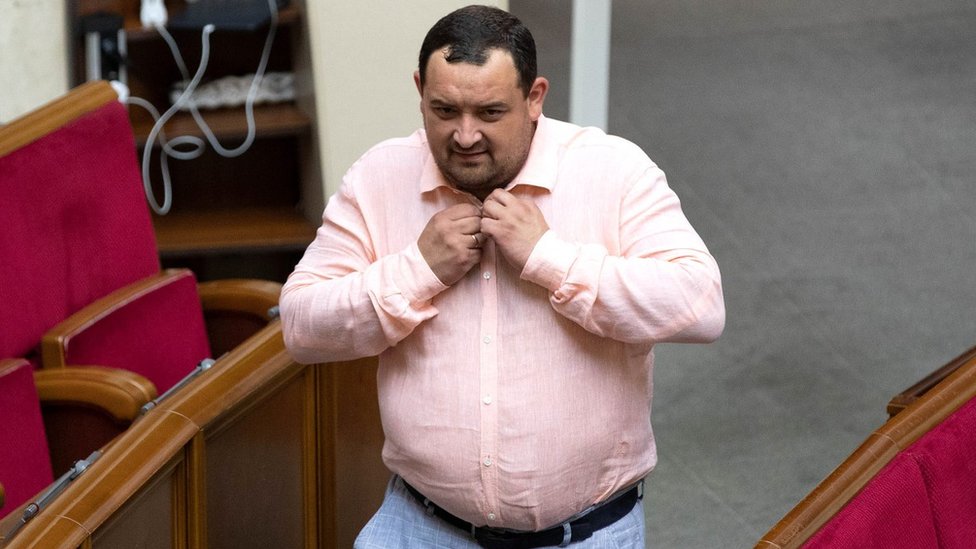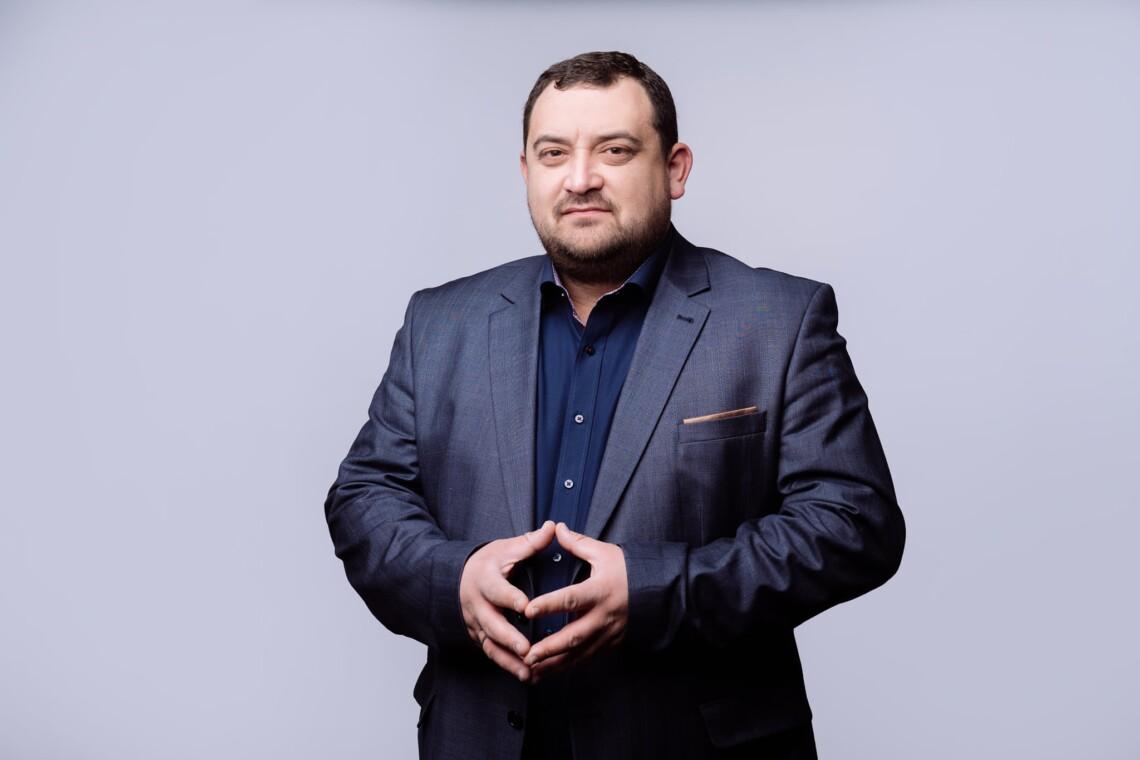


On November 20, the HACC delivered a verdict in the case of People's Deputy Serhiy Kuzminykh, who was accused of influence peddling during the procurement of medical equipment.
He was found guilty under Part 2 of Article 369-2 of the Criminal Code of Ukraine and was sentenced to 3.5 years imprisonment with a ban on holding positions in state and local government bodies for 3 years.
The court also left unchanged the preventive measure in the form of round-the-clock house arrest. The court credited Kuzminykh with 52 days spent in detention and round-the-clock house arrest towards his sentence.
Previously, the prosecutor asked the court to sentence Kuzminykh to 5 years imprisonment and to take him into custody directly in the courtroom.
What Kuzminykh stated in his final word
During his final word, Kuzminykh categorically did not plead guilty and asked the court to acquit him. He assured that he did not plan to hide and asked to consider that he supports three minor children and his mother, and also reported that he had suffered a heart attack and has other illnesses.
The final word of the People's Deputy almost completely repeated the essence of his speech in the court debates. The judges called such behavior an attempt to "wear down the court".
More about the case
Recall that Kuzminykh was caught taking a bribe of 558 thousand UAH for winning a tender for the procurement of medical equipment by a private company. At that time, he could not be detained due to "parliamentary immunity". His actions were qualified as influence peddling.
The HACC has been considering Kuzminykh's case since April 2023. The proceedings were accompanied by abuses and delays by the defense side, which the court systematically recorded in its rulings: numerous absences, sessions in the Verkhovna Rada, foreign trips, illnesses, delays in familiarizing with materials, long speeches in debates, and numerous repetitions.
The court had to respond promptly to numerous abuses:
- change Kuzminykh's preventive measure to round-the-clock house arrest;
- apply summonses, including via video conferencing;
- impose monetary penalties on Kuzminykh and his defenders;
- engage a defender from free legal aid;
- restrict defenders and Kuzminykh himself during speeches;
- issue a separate ruling obligating Kuzminykh to appear at sessions during air raid alerts from shelters.
At the same time, abuses of procedural rights that accompanied this case are part of a systemic problem in Ukrainian judiciary. Recall that two bills have already been registered in parliament to solve it, aiming to improve mechanisms for counteracting abuse of rights in proceedings and provide judges with additional tools for considering cases within reasonable timeframes. These are the government bill No. 16152 and parliamentary bill No. 15333.
The verdict has not yet come into legal force — a possible appeal review is ahead. However, the statute of limitations expires in January 2027: if the appeal does not manage to review the case by then, Kuzminykh will avoid criminal liability.

This material was translated using artificial intelligence. Inaccuracies are possible.