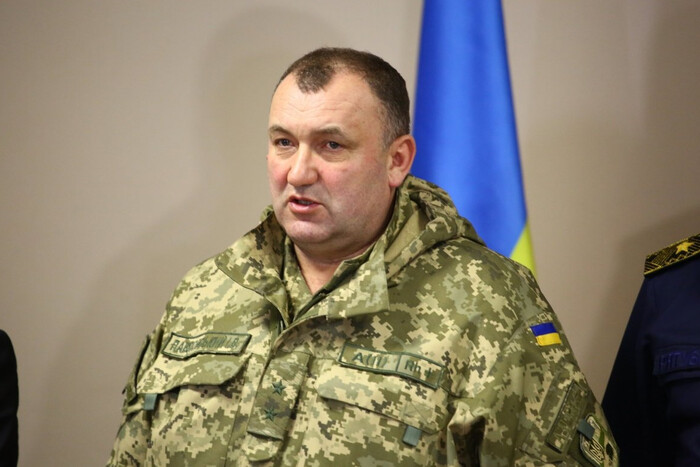

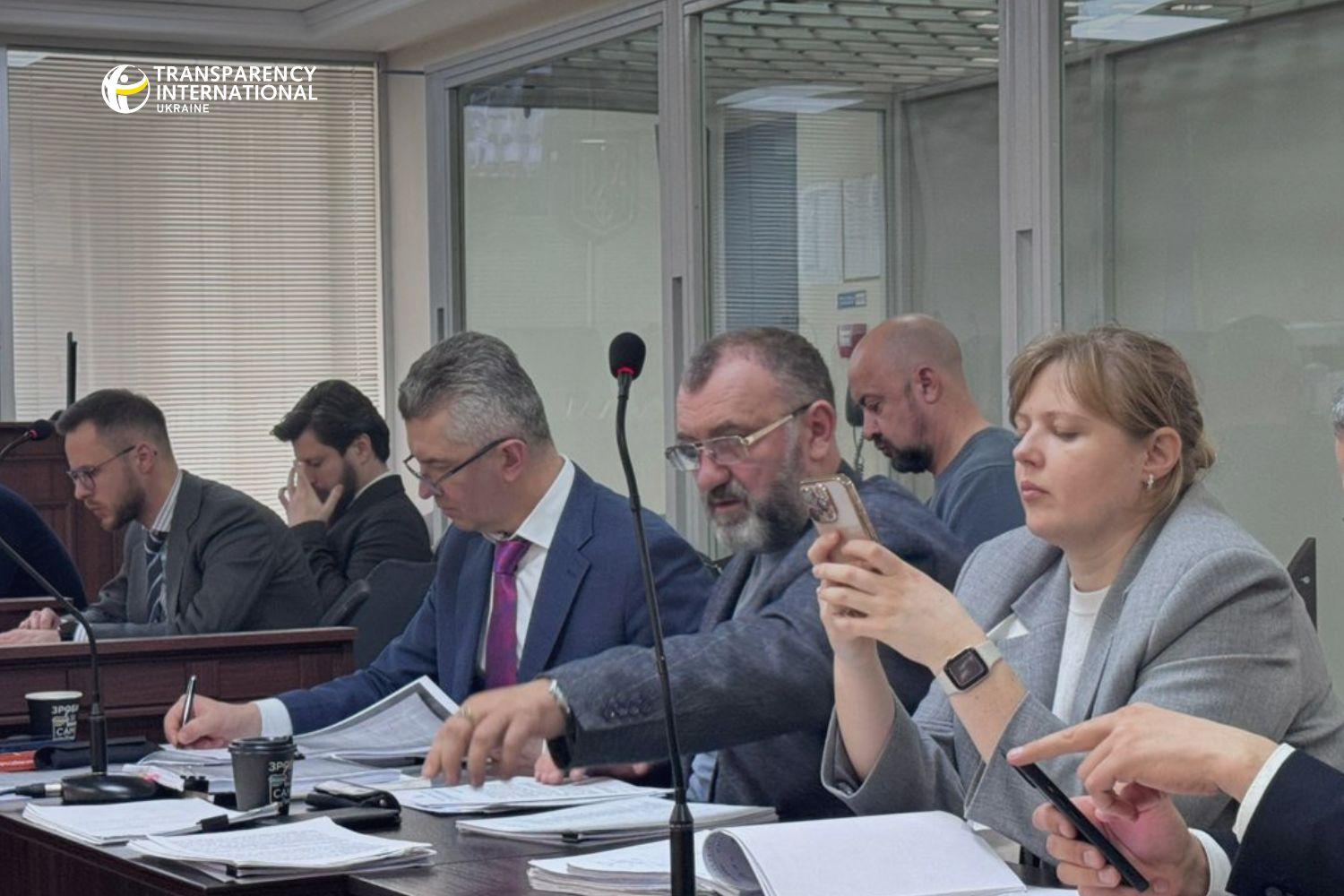


On March 24, 2026, the HACC concluded its examination of former Deputy Defense Minister Ihor Pavlovskyi, accused of embezzling UAH 58 million in military fuel procurement. The questioning took place across two hearings.
The HACC began the examination on February 19, 2026; on February 24, questioning continued with the prosecution's questions. The prosecutor focused in particular on the justification for inflated aviation fuel prices in June 2016, pointing to Chamber of Commerce and Industry certificates showing that market prices had fallen at the time.
Pavlovskyi explained that the market analysis had already been reflected in the relevant certificates, and that the difference between market fluctuations and contractual terms with the supplier are two different things. He stressed that he personally had not conducted analysis or signed agreements, as that was handled by the ministry's specialist staff. Responding to the prosecutor's question as to why the Ministry of Defense had not begun procurement from other suppliers, Pavlovskyi explained that walking away from Trade Commodity would have delayed deliveries until October, and that state fuel reserves were exhausted at the time. He also noted that there had been instances of penalties imposed on the company, including for a late delivery in Nikopol.
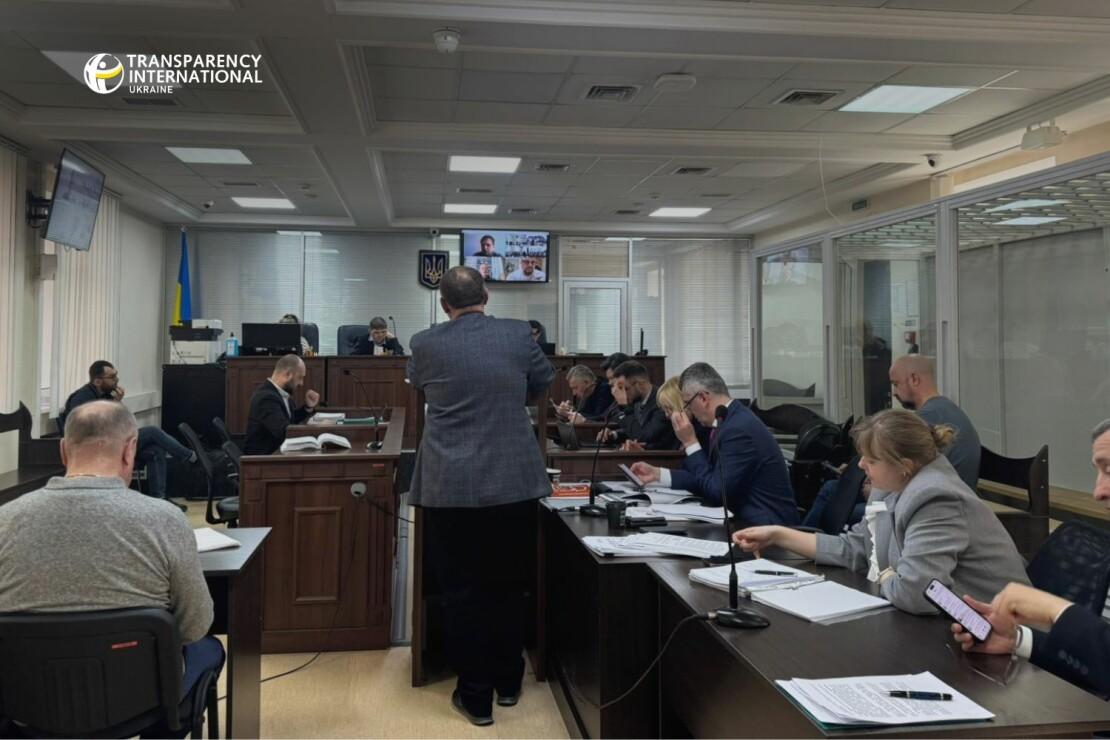
Responding to questions from the defense, Pavlovskyi also stressed that in making decisions on price increases he was guided by the then-critical state of the fuel market and the urgent need to supply the Armed Forces with fuel to carry out their missions, including in the ATO zone. The defendant stressed that there were no other companies on Ukraine's fuel supply market besides Trade Commodity LLC that could deliver such large volumes of fuel to the Ministry. As for the Prozorro procurement procedures themselves, he said he had no personal involvement.
Describing the procedure for concluding supplementary agreements, Pavlovskyi explained that the process was triggered when the supplier approached the minister regarding rising market prices, after which the state procurement department held meetings and analyzed the pricing situation, the results of which — together with explanations from other advisory bodies — were included as additional information in a briefing submitted to the minister. He underlined that Trade Commodity's prices at the time the agreements were signed were even below the upper bound of the market fluctuation range in Ukraine, and that the procedure itself was strictly regulated by law.
Pavlovskyi categorically denied accusations of collusion with other defendants or issuing unlawful orders to subordinates, noting that he had only ever seen co-defendant Trofymenko on television and in the courtroom. He described his sole objective as procuring fuel at the lowest possible price within the law to defend the territory, concluding that the absence of those contracts would have led to even greater territorial losses.
The panel of judges also put several questions to defendant Pavlovskyi. The court asked how exactly the defendant understood the concept of price fluctuation. Pavlovskyi explained that he understood fluctuation as a permissible price range on the fuel market, strictly regulated by law, stressing that no agreement had been signed in breach of those limits.
Responding to the court's question about the relationship between the global and domestic markets, the defendant explained that Ukrainian pricing is directly dependent on global supply, export volumes, logistics costs, and other factors. The court also asked what mechanism was used to determine the specific price in a contract. Pavlovskyi replied that this process took place through interaction between Trade Commodity and the state procurement department. At the same time, he noted that while the department director reported the agreed price to him, the actual decision to set that price and authorize the transaction was made personally by the Minister of Defense.