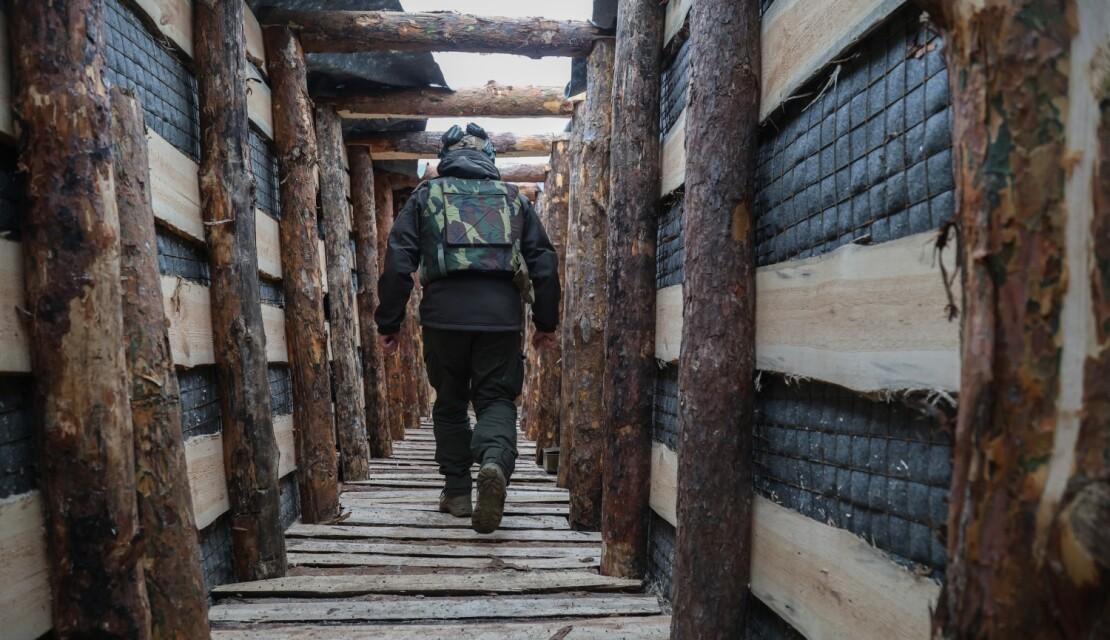

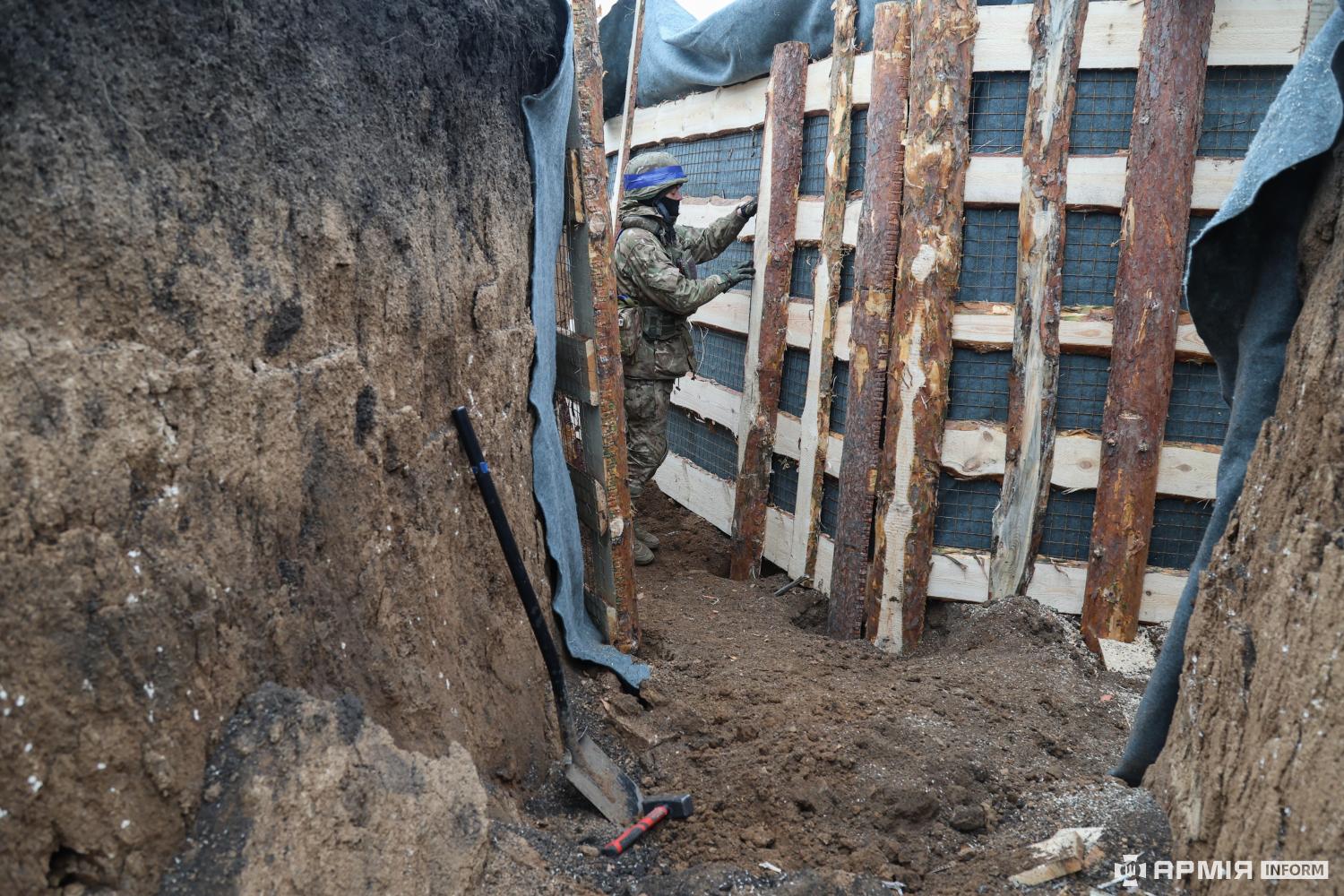


On February 11, 2026, the HACC issued a ruling releasing one of the defendants from criminal liability and closing the proceedings against him due to the expiration of the statute of limitations. The person in question is the former head of the Main Directorate of Operational Support of the Armed Forces of Ukraine, who had been accused of embezzling UAH 2.87 million in the construction of dugouts in the JFO area.
The court also lifted the seizure of the former official’s property, including his apartment, and left the Ministry of Defense of Ukraine’s civil claim for damages without consideration. At the same time, the trial of the other defendant — an official of the Major Construction Department of the Donetsk Regional State Administration — is ongoing.
At the hearing, the defendant, a lieutenant general, and his defense counsel asked the court to grant the motion to release him from liability under Article 364(2) of the Criminal Code of Ukraine, noting that more than 10 years had passed since the last episode imputed to him (December 8, 2015). Since the offense is classified as a serious crime, the limitation period for prosecution under Article 49 of the Criminal Code of Ukraine had expired.
The SAPO prosecutor and the representative of the Ministry of Defense did not object to closing the proceedings. The prosecution confirmed that it was unaware of any facts that could have interrupted or suspended the running of the limitation period. The other defendant asked the court to decide the matter at its discretion.
In 2021, the NABU and the SAPO exposed a corruption scheme involving the construction of defense fortifications (dugouts) in the Donetsk region. According to the investigation, construction began in 2015 without contracts with the Ministry of Defense and using ordinary metal containers instead of durable reinforced concrete.
When the state officially allocated funds for fortifications, the defendants allegedly decided to “legalize” the already completed low-quality facility. To do so, the lieutenant general, acting in the interests of the contractor, Azovstalbud Construction and Installation Firm, PJSC, ordered his subordinates to approve design documentation prepared retroactively.
The Donetsk Regional State Administration official allegedly facilitated the falsification of documents by assuring the regional administration’s leadership that the substandard changes to the project had supposedly been approved by the military. As a result of these joint actions, the state suffered losses of UAH 2.87 million.