



The judges found no grounds to close a criminal case on the basis that a head of a prosecutor’s office extended the investigation deadlines under the rules in force after the adoption of the “Lozovyi amendments.”
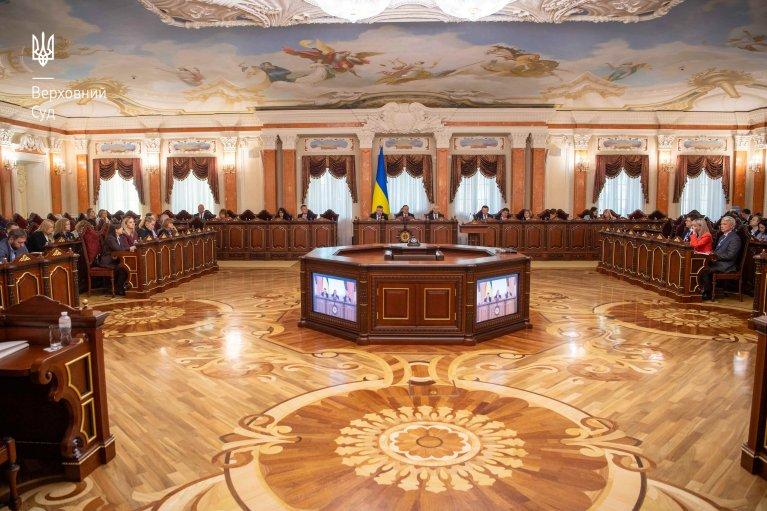
On February 25, 2026, the Grand Chamber of the Supreme Court reviewed a criminal case referred to it to address an exceptional legal question: who had the authority to extend pretrial investigation deadlines in consolidated proceedings—the head of a prosecutor’s office or an investigating judge?
This issue arose after the “Lozovyi amendments” entered into force on March 16, 2018. Under those amendments, the power to extend investigation deadlines in “new” cases beyond three months was transferred from heads of prosecutor’s offices to investigating judges. But what about proceedings initiated before that date, especially if they were later consolidated with “new” ones? Courts answered differently, and in 2022 the Joint Chamber of the Criminal Cassation Court complicated matters further by holding that even in such consolidated cases, deadlines could be extended only by an investigating judge—introducing post factum a new, unforeseeable interpretation of the Criminal Procedure Code of Ukraine.
The Grand Chamber departed from that position. Its conclusion is as follows: if the first of the consolidated proceedings was initiated before March 16, 2018, then the deadlines were lawfully extended by the head of the prosecutor’s office. And if an investigating judge nevertheless decided those issues instead of the prosecutor, that procedural violation cannot serve as grounds to close the case.
This decision aligns with common sense: cases should not be closed because of an unforeseeable judicial interpretation that did not exist when the relevant decisions were made, and where prosecutors followed the special rules established by the legislature.
That said, it would be a mistake to assume the problem is resolved. Between 2022 and 2024, the position of the highest court changed at least twice. According to available data, as of 2023 the Grand Chamber had departed from its own prior rulings in 31 instances. This means it is risky to rely exclusively on case law.
That is why a legislative solution remains necessary. The European Commission has stated explicitly that the Criminal Procedure Code of Ukraine should remove provisions requiring the automatic closure of criminal proceedings due to the expiration of pretrial investigation deadlines—in other words, to finally eliminate the part of the “Lozovyi amendments” that remains in force. The Grand Chamber’s decision buys time but it does not remove Parliament’s responsibility.