The NABU and the SAPO have exposed a criminal organization that operated under the cover of law enforcement officers. According to the investigation, its members ensured the operation of fraudulent call centers that defrauded citizens of Ukraine and foreign nationals. They were also involved in selling drugs, producing counterfeit cigarettes and counterfeit foreign currency, and more.
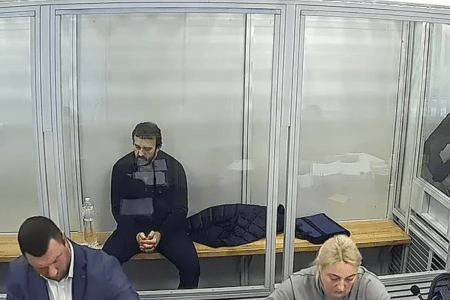
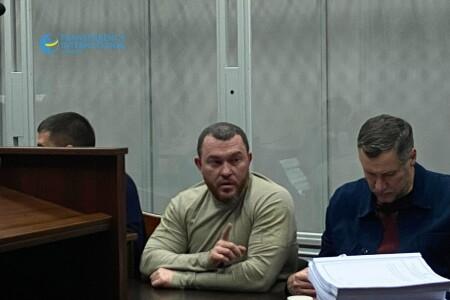
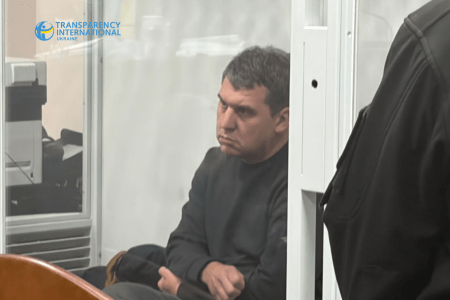
Notices of suspicion were served on:
-
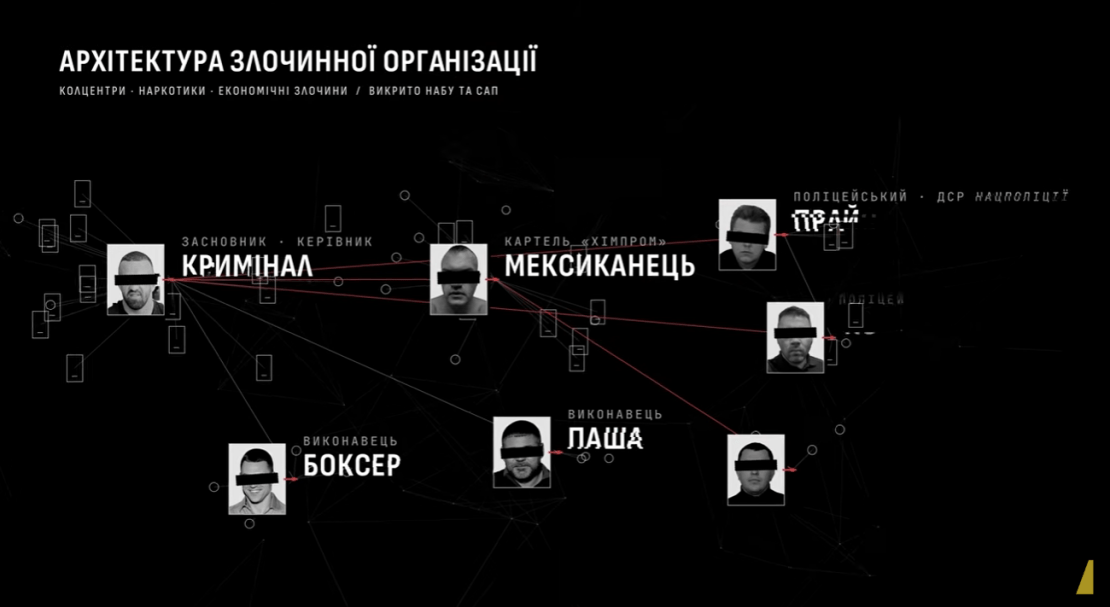
Andrii Osipov (“Criminal”), the organizer of the criminal organization, a man with an extensive criminal past. Charges: creation of a criminal organization (Article 255(1)), organizing the offering or promising of a bribe to an official (Article 27(3) in conjunction with Article 369(3)), organizing torture (Article 27(3) in conjunction with Article 127(3)), organizing the manufacture, storage, acquisition, transportation, or sale of counterfeit money (Article 27(3) in conjunction with Article 199(3)), and laundering of criminally obtained property (Article 209(3) of the Criminal Code).
-
Vitalii Rybalko (“Boxer”), who did the dirty work. Charges: participation in a criminal organization (Article 255(2)) and torture (Article 127(3) of the Criminal Code).
-
Volodymyr Tsenov (“Price”), one of the heads of the National Police’s Department of Strategic Investigations. Charges: participation in a criminal organization using his official position (Article 255(3)) and accepting an offer, promise, or receipt of a bribe by an official (Article 368(4) of the Criminal Code).
-
Oleksandr Demianchuk (“Consultant”), deputy head of a section of the Criminal Investigation Directorate of the Kyiv Region Police. Charges: participation in a criminal organization using his official position (Article 255(3)), aiding and abetting torture and the manufacture or sale of counterfeit money or securities of Ukraine (Article 27(5) in conjunction with Article 127(3)), and aiding and abetting the manufacture, storage, acquisition, transportation, or sale of counterfeit money (Article 27(5) in conjunction with Article 199(3) of the Criminal Code).
-
Major General Serhii Duka (“Akim”), first deputy head of one of the departments of the Security Service of Ukraine. Charges: participation in a criminal organization using his official position (Article 255(3) of the Criminal Code).
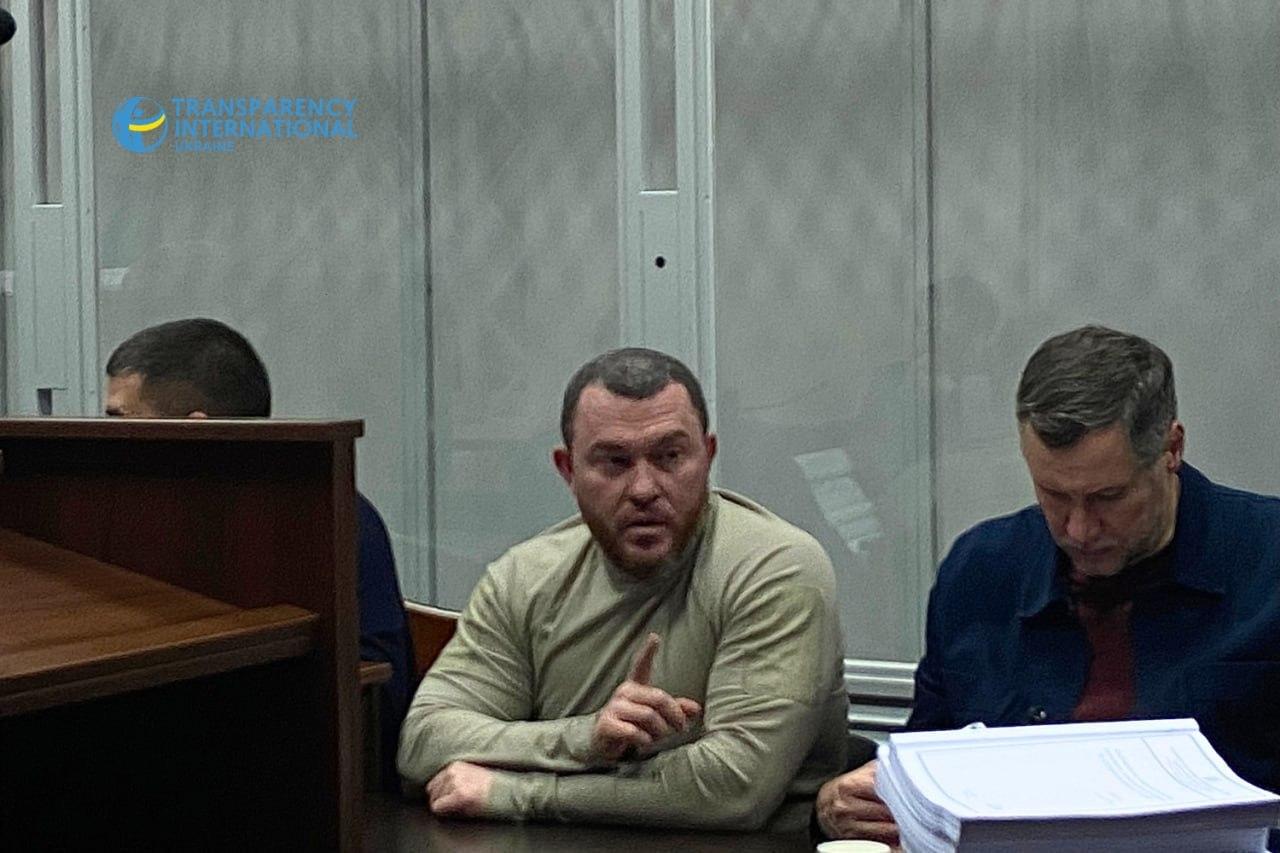
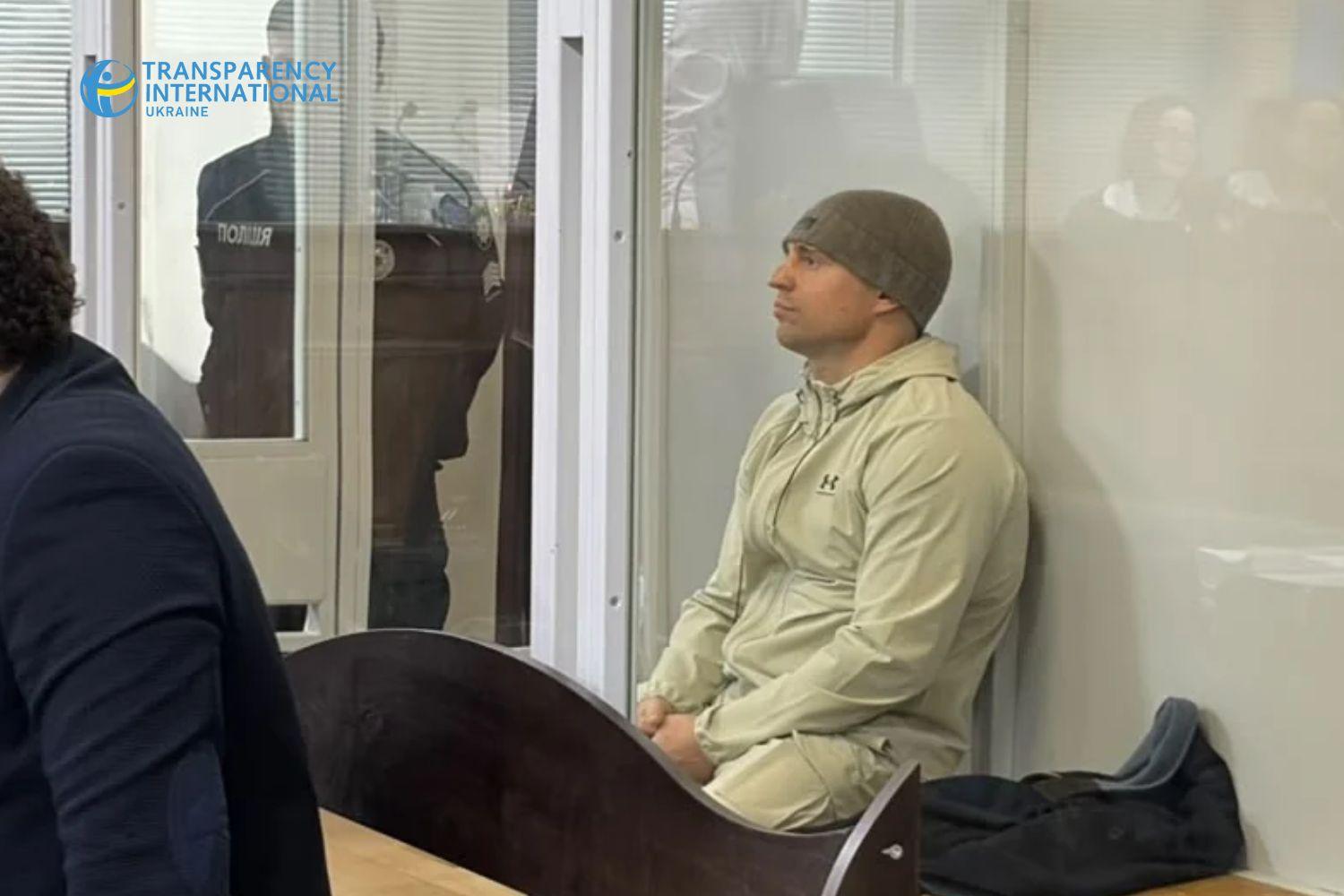
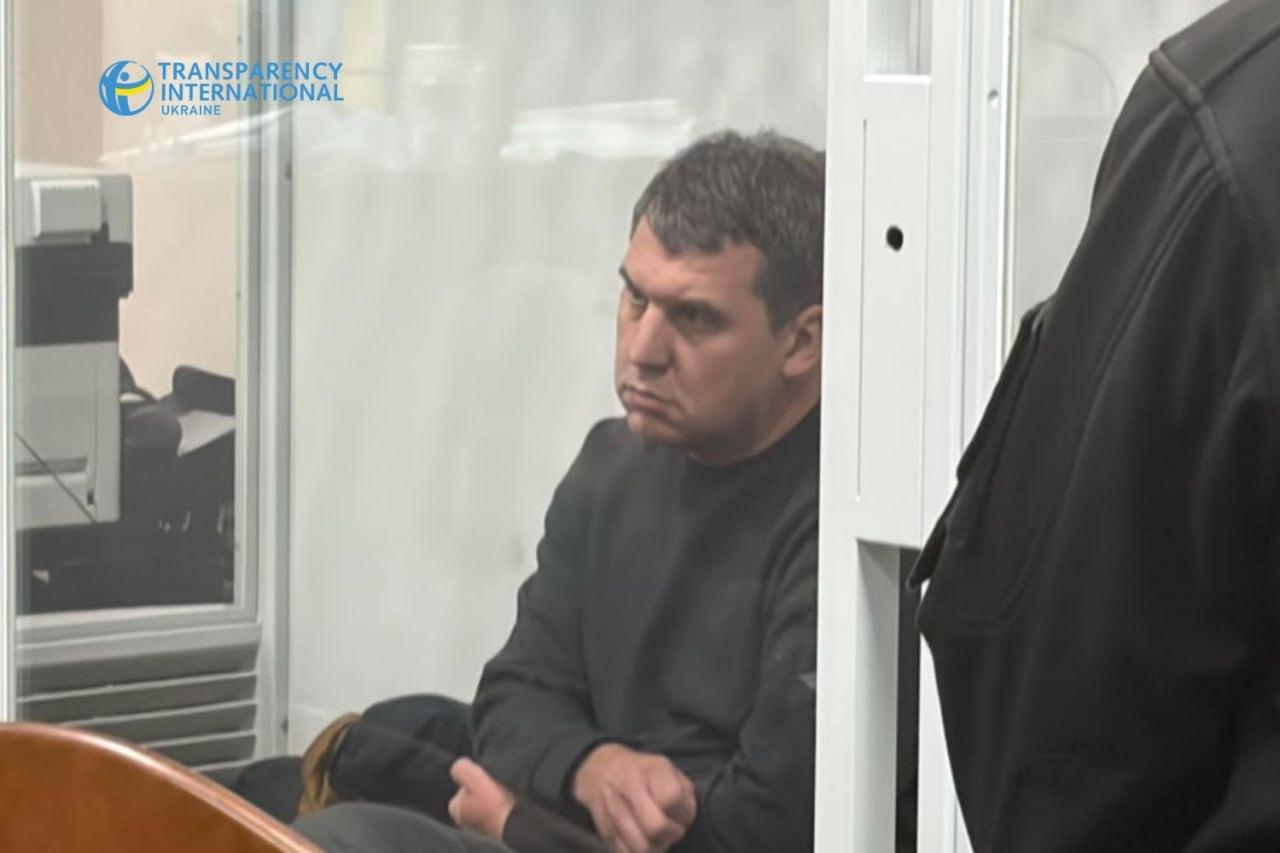
According to the investigation, the criminal organization took shape after the full-scale invasion began. At that time, Yehor Burkin (“Mexican”) was on the wanted list and in contact with officers of Russia’s FSB about supplying substances. He decided to expand his influence. Through “Criminal,” he arranged comprehensive support from law enforcement officers who had started their careers in Zhytomyr Region.
According to the case materials, Osipov himself boasted of his patronage among law enforcement officers. In one conversation he said: “Madam General, warmest regards — could she ever have imagined that this little hooligan would be at such a level now.”
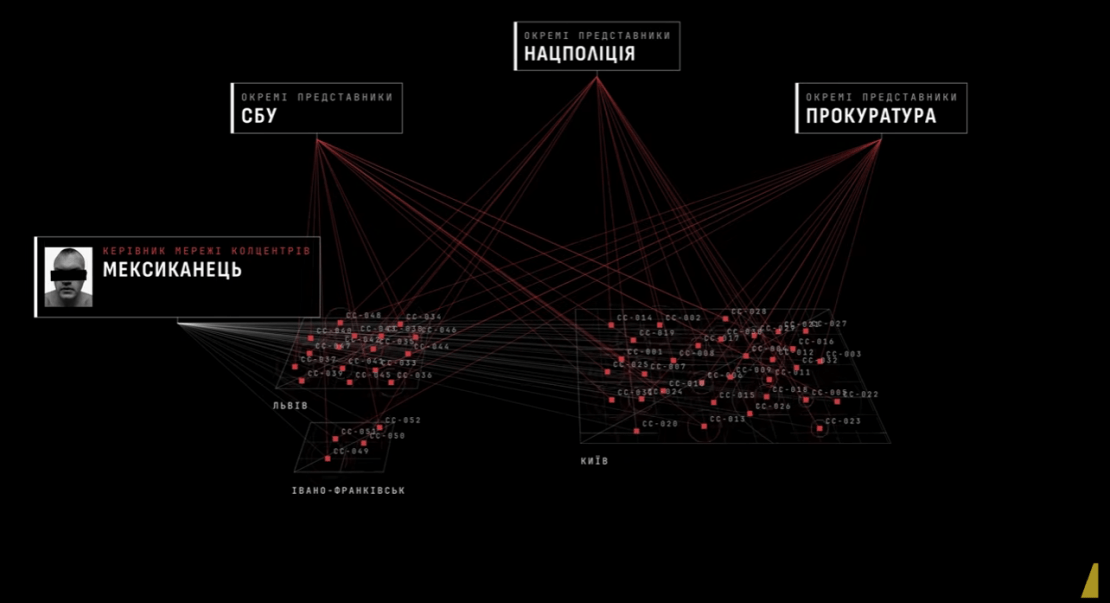
According to NABU, the members frequently changed their phone numbers and gave their new messenger accounts cynical nicknames such as “None to Spare” or “Greed Breeds Pretrial Detention.” According to the investigation, the organization controlled at least 52 fraudulent call centers. More than 2,700 employees there defrauded Ukrainians and EU citizens every day. In exchange for non-interference, each office paid a fixed monthly fee of $7,000 in cryptocurrency. The money went to wallets provided by representatives of the prosecutor’s office, the SSU, and the National Police.
When something went wrong (for example, when an Odesa office was searched), “Criminal” wrote in a panic to “Price”: “They’re going to wreck our whole business now. Can’t this be settled properly?” The investigation believes that afterwards, on the instructions of the DSI official, equipment seized during the searches was returned through the Pecherskyi District Court of Kyiv. To do this, several identical complaints were filed so that the case would land with the right, already-bribed judge. In the correspondence, this sounded brief: “Are you counting the court in?” “Yes, all in.”
At the end of July 2026, the highest state authorities took an interest in the call centers’ activities. According to law enforcement, it was then that Tsenov and Duka gave the order to hide the business: “Full stop on the dialers... you need to change addresses, move into apartments, and go underground.” The accomplices were also warned that any leak of information would make them personal enemies. “Criminal” was outraged and demanded that the law enforcement officers “work off” the million-dollar bribes: “They gave you two million dollars, you should be standing by the call center and chasing everyone off.” Simultaneously, he was expanding the U-420 store chain, which sold cannabinoids whose chemical formula was chosen to get around a direct ban.
To keep legislative changes from halting the millions in daily turnover, the individuals in the case openly discussed bribing senior officials: “Think about how to make sure that various ministers, either of Internal Affairs or of Health, don’t throw a wrench in the works for us. We’re ready to give comrade K 500, and 300 to whoever goes, so they don’t change the formula of this weed.”
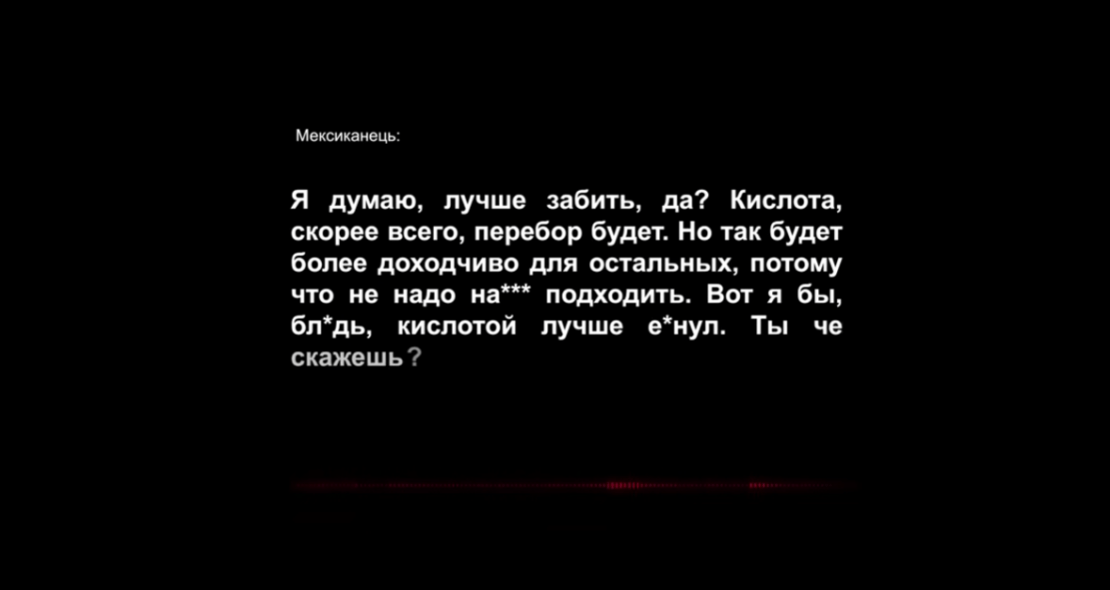
Bihus.Info journalists began exposing the scheme, followed by civil society organizations. According to the investigation, representatives of the prosecutor’s office then warned the gang and carried out searches “for show.” Meanwhile, the leaders discussed physical reprisals against investigative journalist Denys Bihus and a military veteran: “Throw acid on him, then he won’t be presentable, let him shoot his videos with his scary [face]” or “I think hammers, hammers will cause less of a stir, but acid sends a clearer message to the rest.”
In addition, according to the NABU and the SAPO, the members of the scheme set up underground production of counterfeit euro banknotes in denominations from 5 to 500 using high-tech equipment. They showed off samples: “Our printing is sharper, we’ll match the colors, it’ll be one to one.”
The group also had an enforcement wing, “Pasha” and “Boxer,” who carried out “Criminal’s” orders. In July 2026, they lay in wait for a businessman near a Kyiv sports club and brutally beat him with metal pipes. Beforehand, the victim had been tracked through Safe City system cameras, using the account of an employee of the SSU’s Department for the Protection of National Statehood. After the attack, police officer “Consultant” reassured the person who ordered it: “No interception plan has been launched, the fighters have been evacuated to the region, I’m carefully muddying the trail.” The attackers gloated: “Blood is flowing, he can’t walk, how pleasant.”
According to the investigation, members of the group were also involved in other crimes. “Boxer” had already appeared in a case involving the kidnapping of a coal-industry businessman, who was held in a basement while $5 million was demanded from him. The group he belonged to also carried out contract attacks abroad, including in Vienna, where victims’ legs were broken with hammers. Through his SSU connections, “Criminal” obtained vehicle passes, and his driver and bodyguard held SSU IDs. One crypto wallet alone received more than 3.75 million USDT in six months.
To the very end, the individuals in the case tried to counter the anti-corruption agencies and to silence witnesses who were trying to testify to NABU detectives.
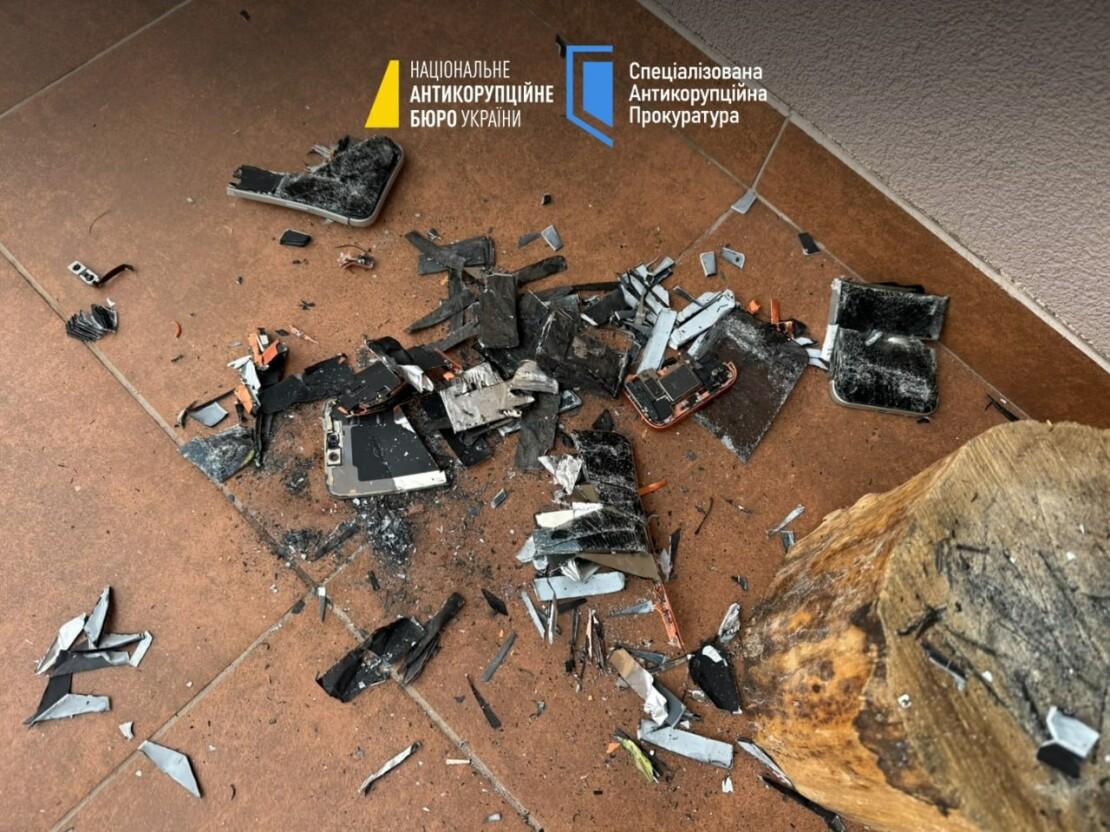
On Ukrainska Pravda’s YouTube channel, in the program UP. Chat, Oleksandr Abakumov, head of a NABU detective unit, gave more details about the search of Serhii Duka’s (“Akim’s”) residence. According to him, NABU officers were not allowed into the residence and were threatened with being fired on. The house and Duka himself were presumably guarded by the SSU’s Alpha special unit. According to Abakumov, while the detectives stood at the door, Duka smashed phones with a hammer to destroy information. The NABU was unable to enter the residence for more than 3 hours.