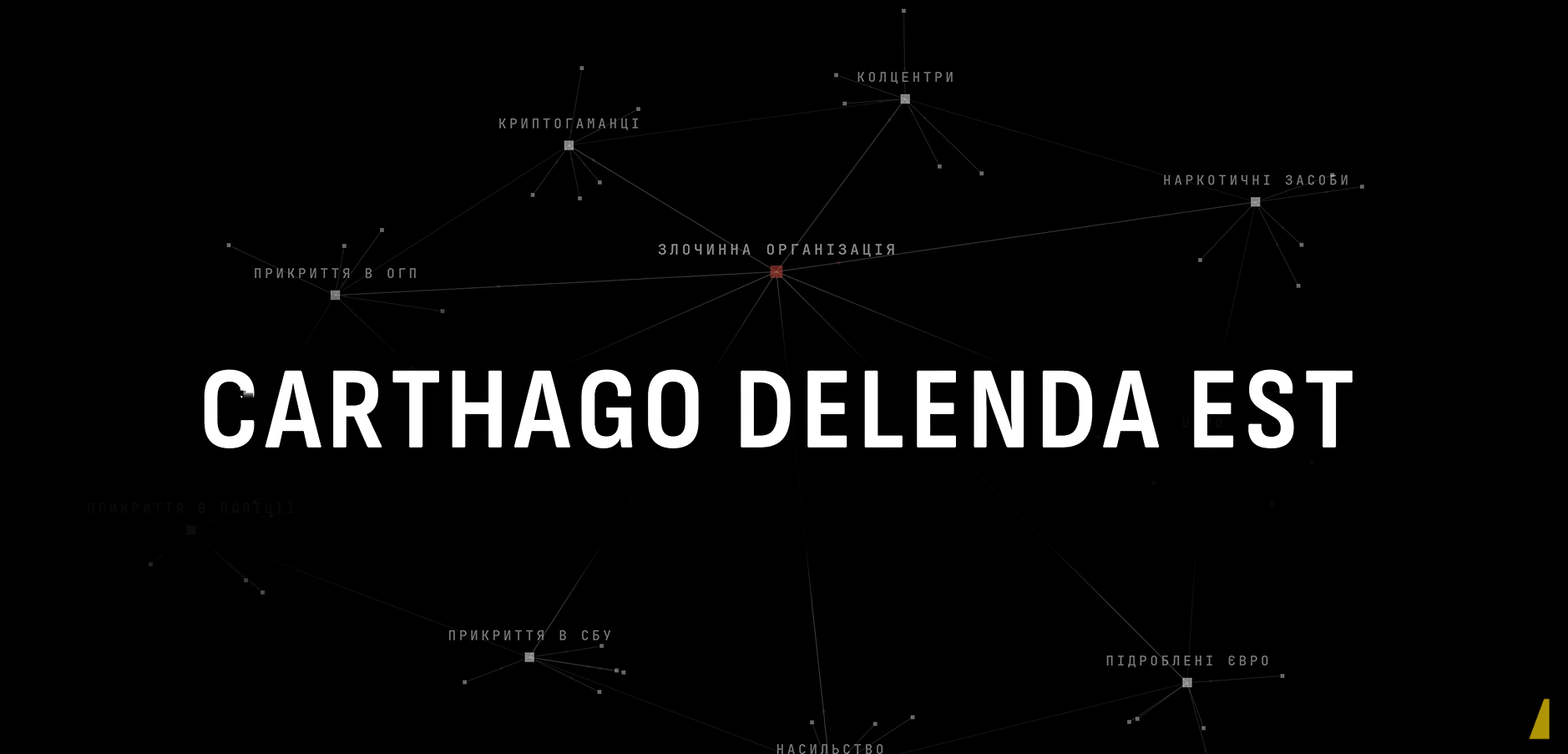


The NABU and the SAPO have exposed a large-scale criminal organization that regularly bribed the leadership of law enforcement agencies so that shadow businesses could operate unhindered.
The individuals in the case include:
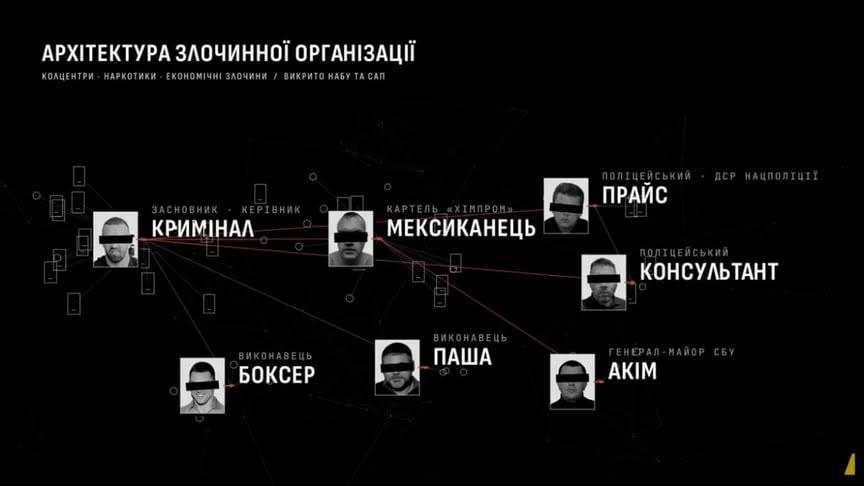
“Mexican”: founder and leader of the transnational drug syndicate Khimprom, a Russian citizen. While on the wanted list in both Russia and Ukraine, he lived abroad, kept up contacts with representatives of the FSB of Russia, oversaw financial flows, and built up an underground infrastructure in Ukraine.
“Criminal”: co-organizer of the criminal organization in Ukraine, a native of Zhytomyr Region with three prior convictions. He kept the illegal business running, set up the channels for passing bribes, and coordinated the bribery of officials and violent attacks.
“Akim”: a major general and senior SSU official. He shielded the group from investigations by his colleagues, supplied confidential intelligence, helped the group’s leaders get unhindered access to the SSU Central Office building, handled special passes and security, and coordinated interaction with the Prosecutor General’s Office.
“Price”: one of the heads of the Department of Strategic Investigations of the National Police. He was responsible for keeping call centers immune from police raids, received monthly bribes in cryptocurrency, and instructed the individuals in the case on how to get seized equipment back through manipulated automated allocation of complaints at the Pecherskyi District Court of Kyiv.
“Consultant”: deputy head of a division of the Criminal Investigation Directorate of the Main Directorate of the National Police in Kyiv Region. He was responsible for operational cover for the violent attacks. He checked information on victims, made sure no “Interception” plans were declared after attacks, coordinated the safe retreat of the attackers out to the region, and took steps to deliberately confuse the investigation.
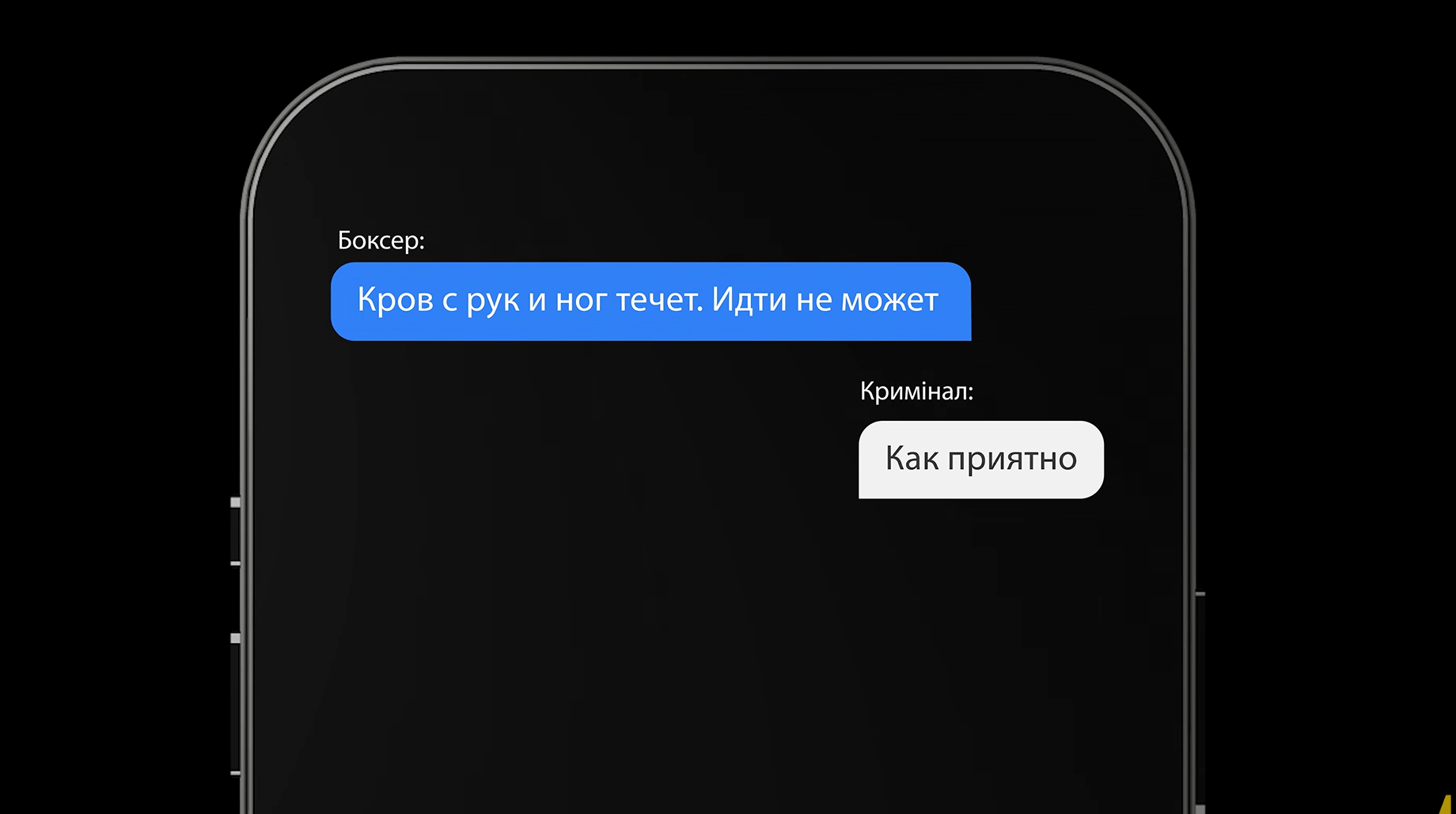
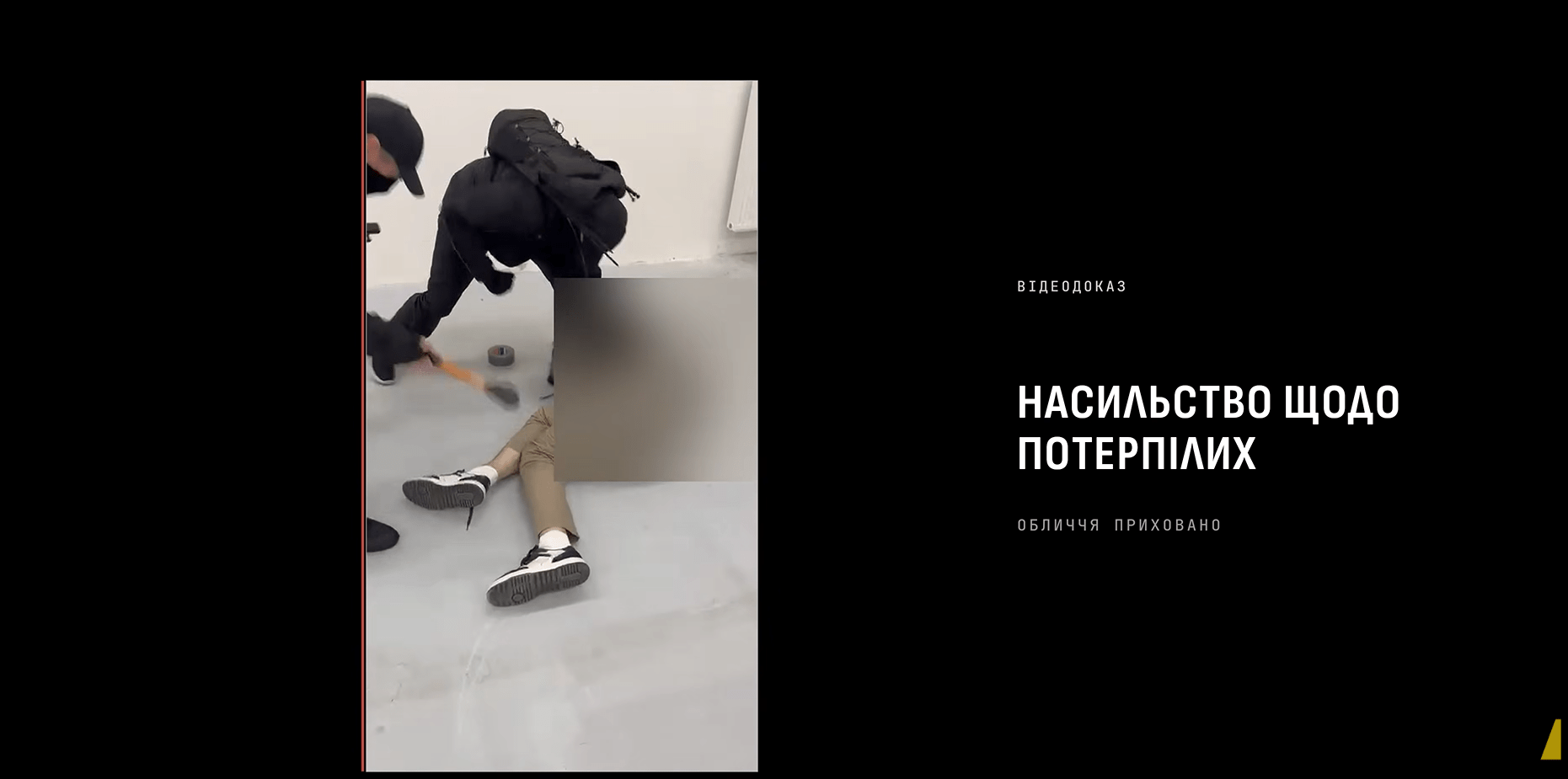
“Boxer” and “Pasha”: perpetrators in the group’s enforcement wing. They carried out physical attacks and surveillance, maimed people with metal pipes and hammers, and committed contract kidnappings for ransom.
Main areas and details of the criminal activities:
- An empire of fraudulent call centers. The organization ran at least 52 offices with more than 2,700 operators. Every day, they defrauded citizens of Ukraine, the European Union, and other countries around the world.
To avoid raids, the group set a fixed price list: each office paid $7,000 a month for “protection.” The total was calculated and divided among three agencies (the SSU, the National Police, and the prosecutor’s office). Every month, by the 5th, lists of exact addresses were handed over to law enforcement officers, and payment arrived in USDT cryptocurrency to wallets set up in advance. Over several months, one of the crypto wallets alone received more than USDT 3.75 million.
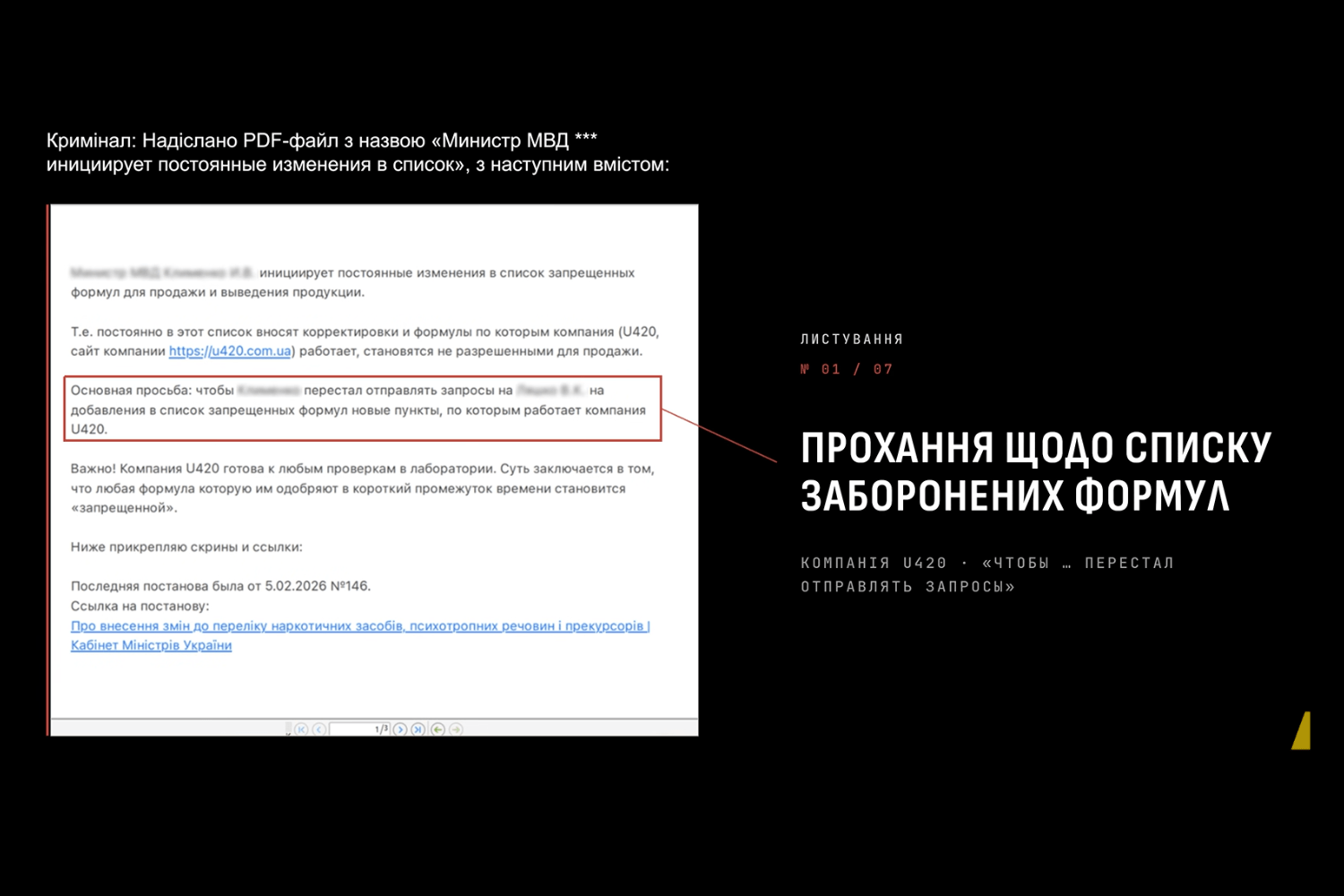
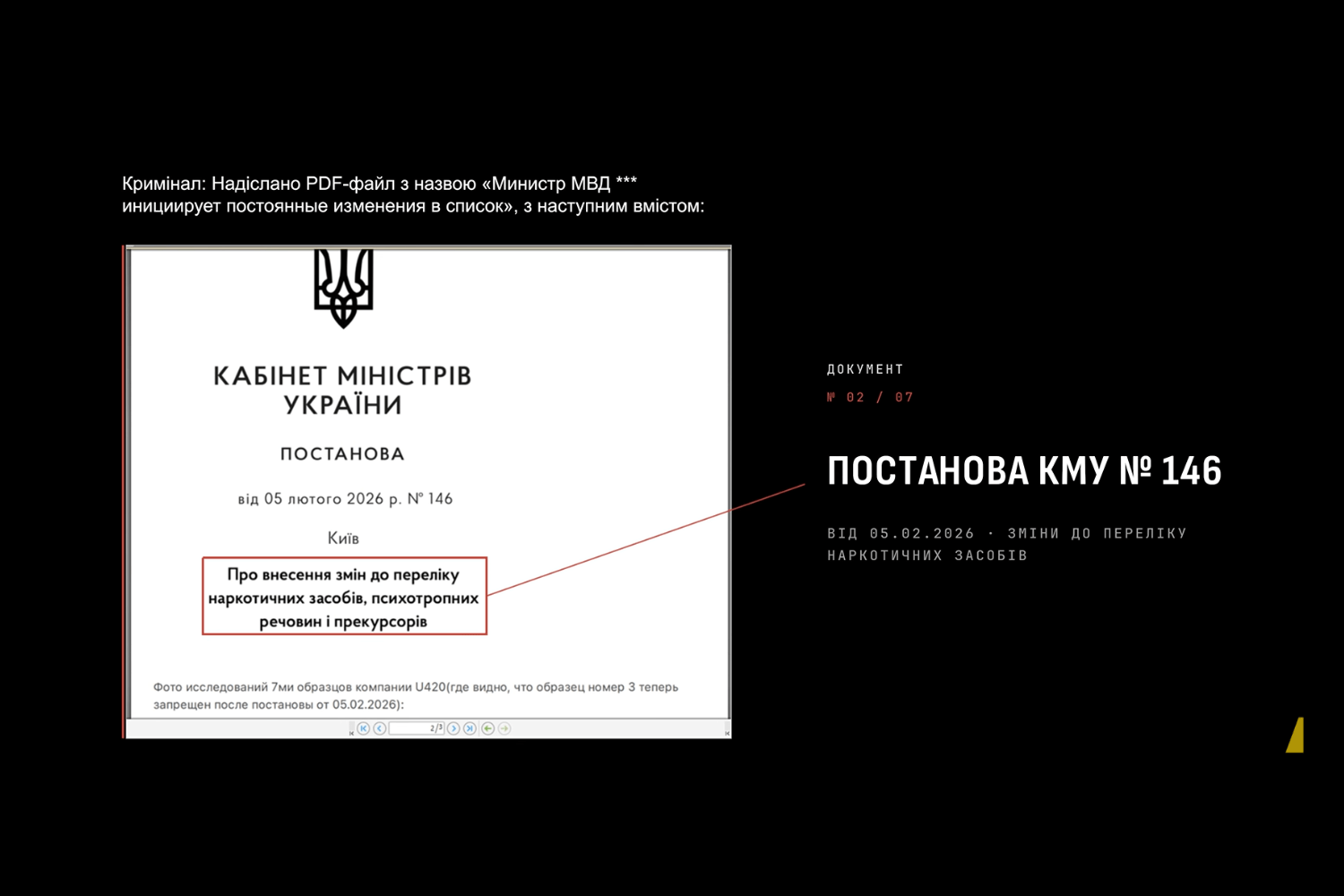
- Drug trafficking and lobbying through U-420 “Mexican” and “Criminal” owned a chain of stores that sold mixtures containing psychoactive substances.
To get around bans, they kept changing the chemical structure (formula) of the substances, creating compounds that technically did not fall under the lists of controlled substances. The individuals in the case planned to bribe the Minister of Internal Affairs and the head of the Ministry of Health with $500,000 to $800,000, with the prospect of handing over a 30% stake in the business. The aim was to keep their compounds off the banned lists. At the same time, they were looking into legalizing cannabis through parliament.
- Threats of violent reprisal and attacks on the media
When law enforcement officers learned that Bihus.Info was preparing a story on the drug network, they warned the dealers and carried out “for-show” searches in which very little product was seized. The participants in the scheme themselves discussed ordering attacks on journalist Denys Bihus (dousing him with acid, taking him out of the country, or beating him up). They also discussed causing grievous bodily harm to civic activists and military veterans who were protesting against the drug outlets.
- Violent attacks and kidnappings
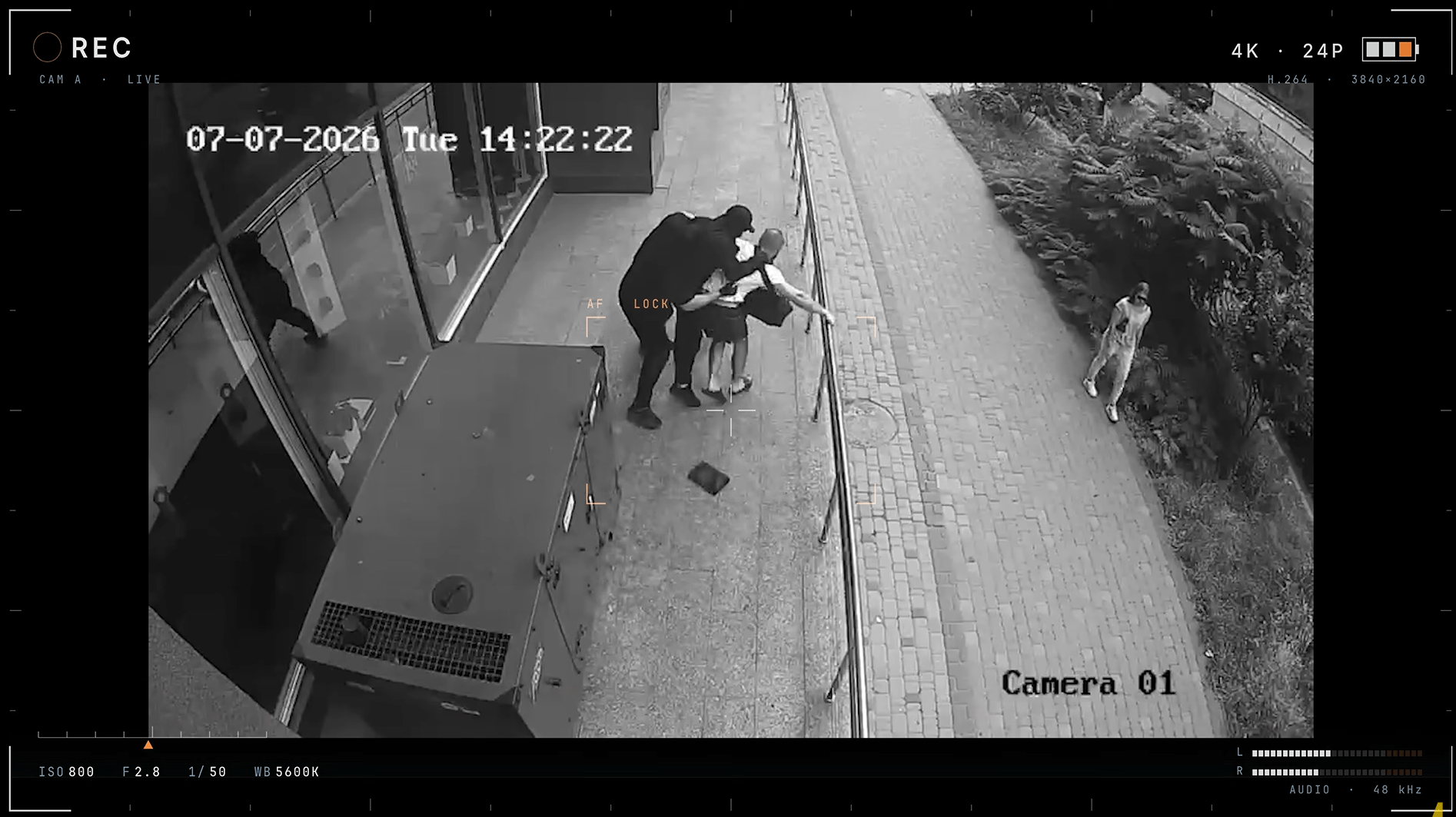
According to the investigation, the individuals in the case were involved in beating a businessman near an upscale sports club in central Kyiv. They were also involved in kidnapping a well-known coal industry businessman, who was held in a basement while $5 million was demanded from him, and in contract attacks abroad, including in Vienna. To track the victims’ routes, they used Safe City CCTV cameras. An officer of the SSU Department for the Protection of National Statehood gave them access to the cameras.
- Counterfeiting currency
In a fitted-out workshop with printing equipment and holographic dies, the group set up a full production cycle for counterfeit euro banknotes in denominations from EUR 5 to EUR 500. The notes had high-quality imitations of the security features and were meant to be passed on, including in EU countries.
According to the NABU and the SAPO, the participants in the scheme also took an active part in efforts to obstruct the anti-corruption agencies and to fabricate proceedings against their detectives.
Investigative actions concerning all episodes and all those involved are ongoing.