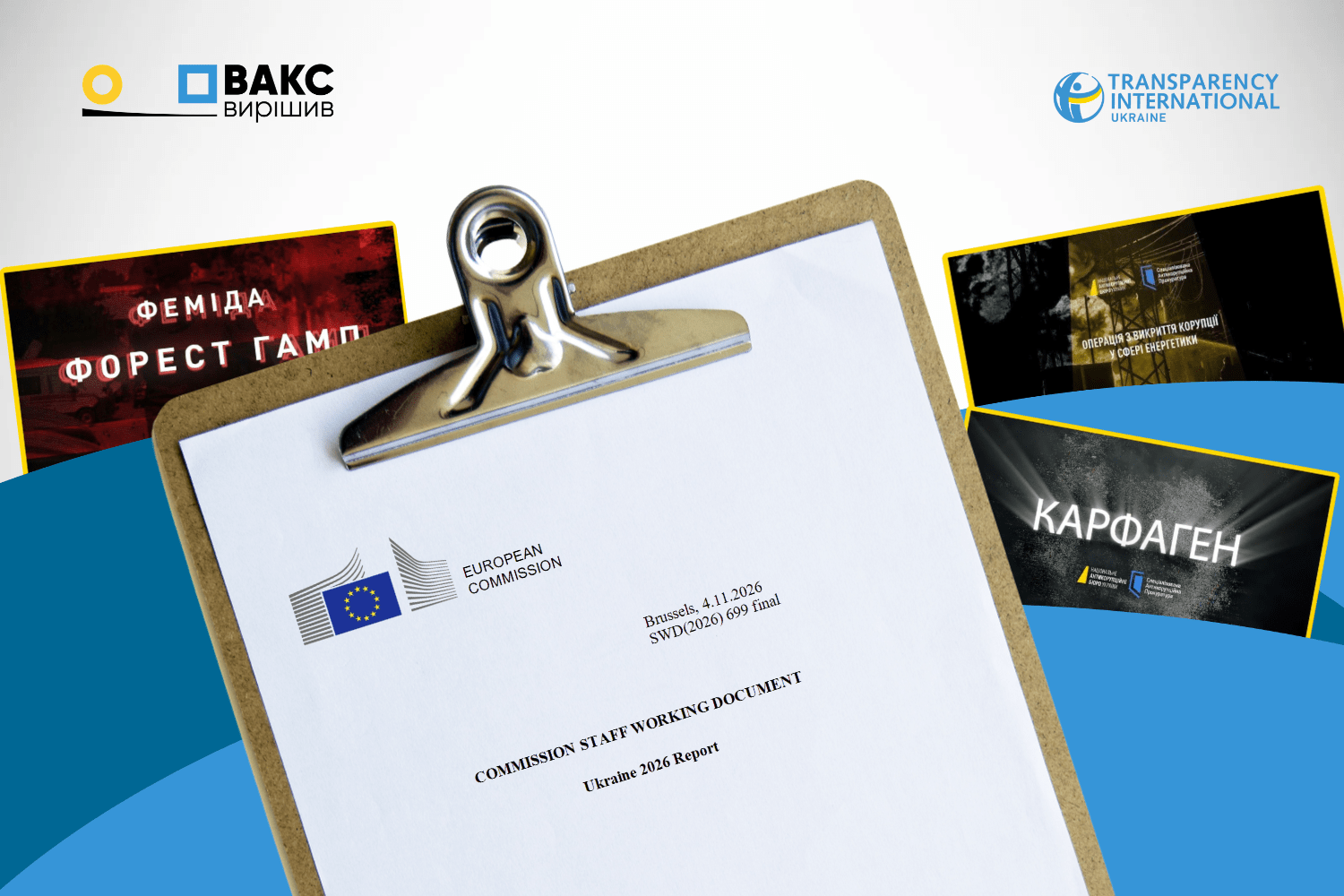


In its 2026 Enlargement Report, the European Commission noted Ukraine’s progress in fighting high-level corruption (Chapter 23). Tellingly, almost all of this progress is linked to new NABU and SAPO cases.
The report does not list specific cases, but three of them can be recognized from its descriptions. All three are covered in detail on the HACC Decided platform.
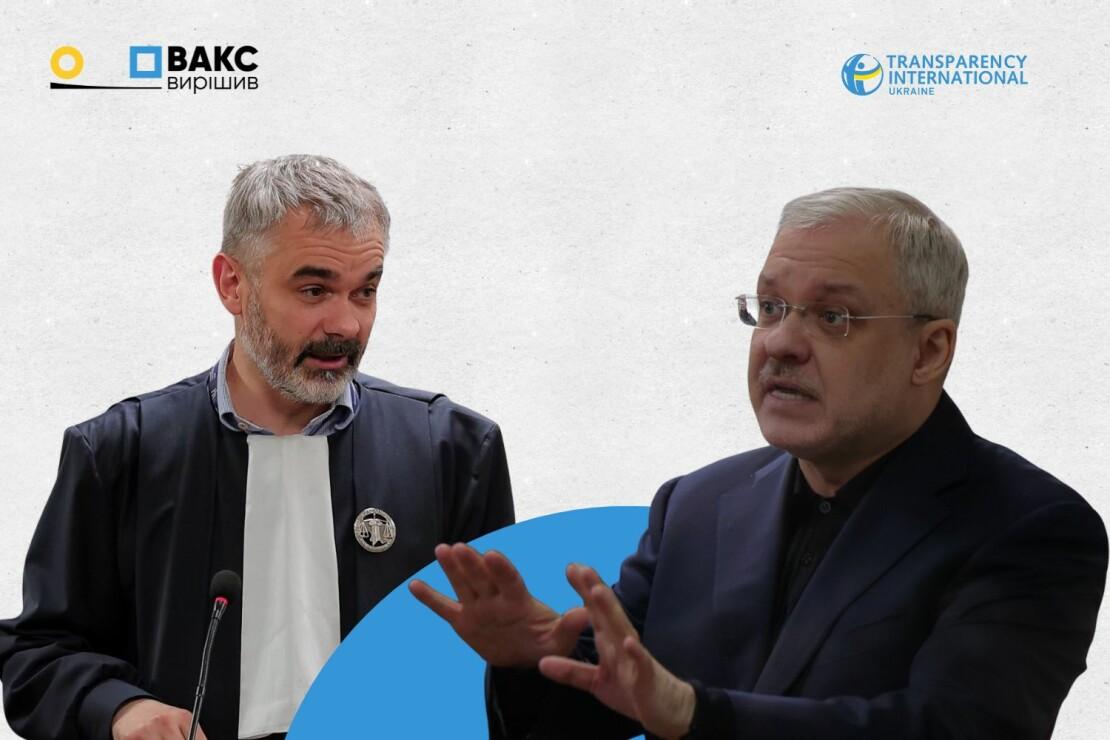
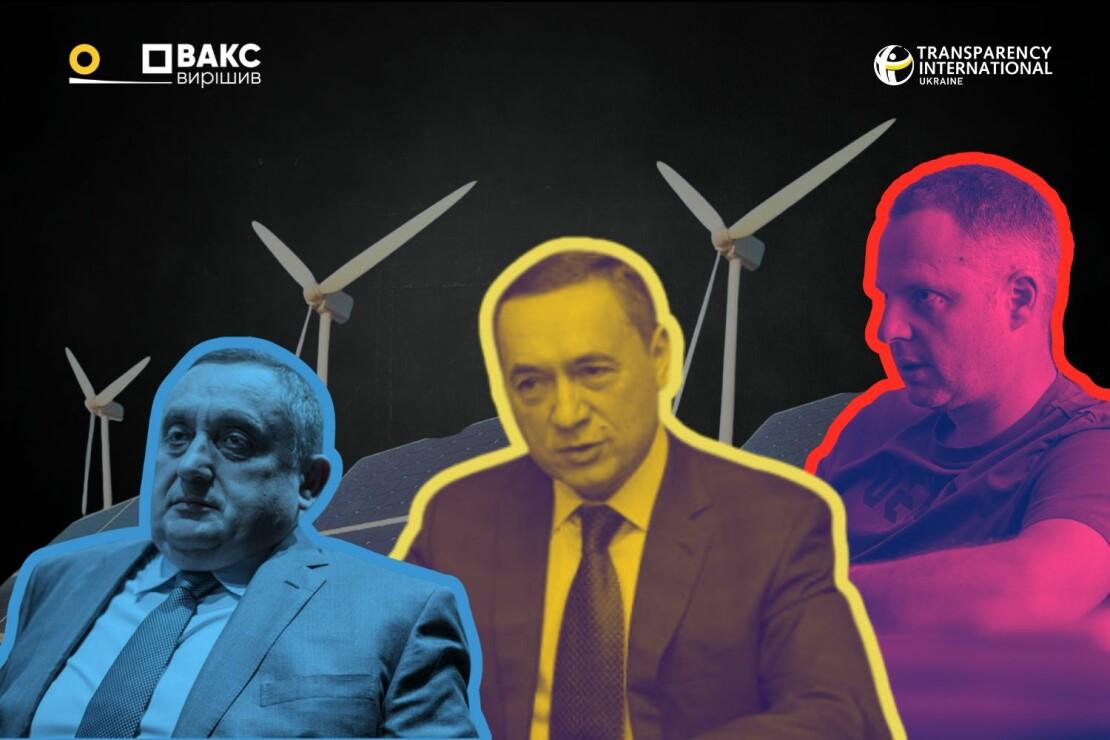
The first case is Operation Midas. It is the only investigation the report names explicitly. Midas is also the largest NABU and SAPO investigation overall. It led to the resignations of the ministers of energy and justice, as well as the Head of the Office of the President.
According to the investigation, a criminal organization led by Timur Mindich received 10–15% of contract values from Energoatom’s counterparties, and those who refused to pay had their payments blocked. Among those served with notices of suspicion are the scheme’s co-organizers, Timur Mindich and Oleksandr Tsukerman; Herman Halushchenko, former Minister of Justice and, before that, Minister of Energy; former Deputy Prime Minister Oleksii Chernyshov; and former Head of the Office of the President Andrii Yermak. The HACC set Halushchenko’s bail at UAH 200 million and later reduced it to UAH 150 million. The bail was posted on June 29.
On November 4, just a few days before the anniversary of the first notices of suspicion, SAPO announced that the investigation had been completed. According to the prosecution, the scheme’s participants received over $111 million and almost €12 million in 2020–2025. The defense must now review the case materials, after which the case will be sent to court.
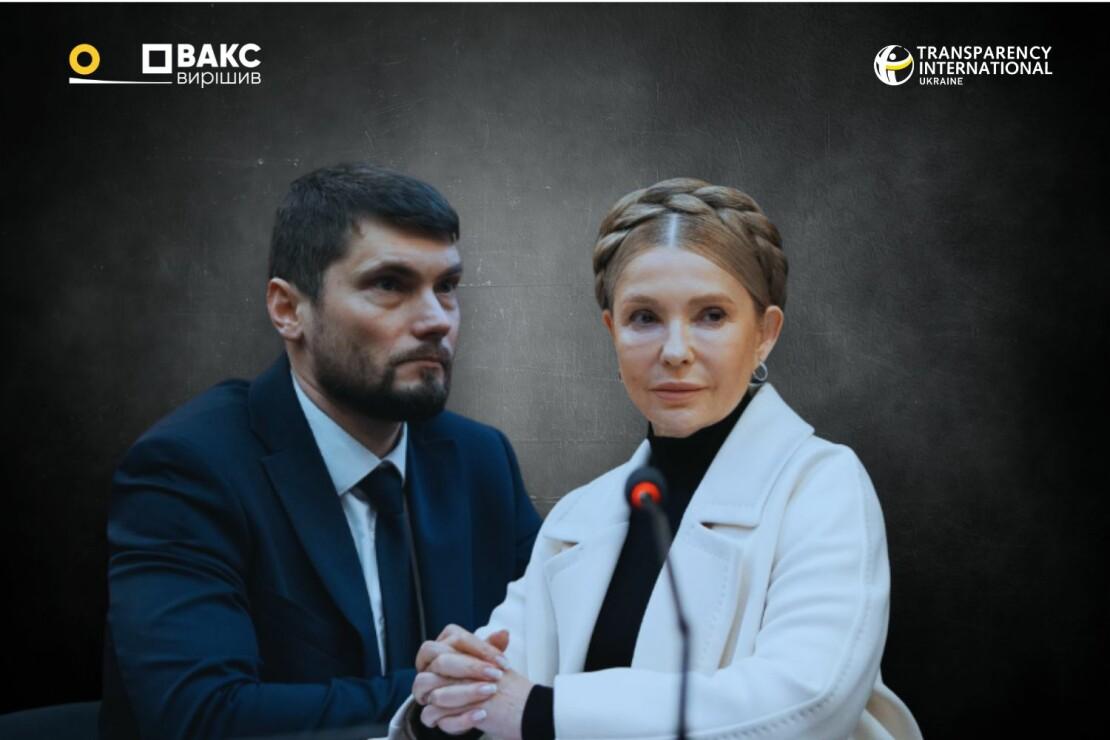
The second case is Forrest Gump, which the platform covers together with the Themis episode. The report does not name it explicitly. However, it mentions the August notices of suspicion served on a deputy head of the Office of the President, a member of parliament, and top executives of state-owned Sense Bank.
According to the investigation, the group used raiding methods to seize businesses and real estate. In June 2026, it allegedly laundered UAH 150 million in “black cash” to post Halushchenko’s bail in the Midas case. Among those served with notices of suspicion are former Deputy Head of the Office of the President Iryna Mudra, MP Vadym Stolar, former MP Maksym Mykytas, and Sense Bank executives. The HACC set Mudra’s bail at UAH 20 million, which was posted on October 8.
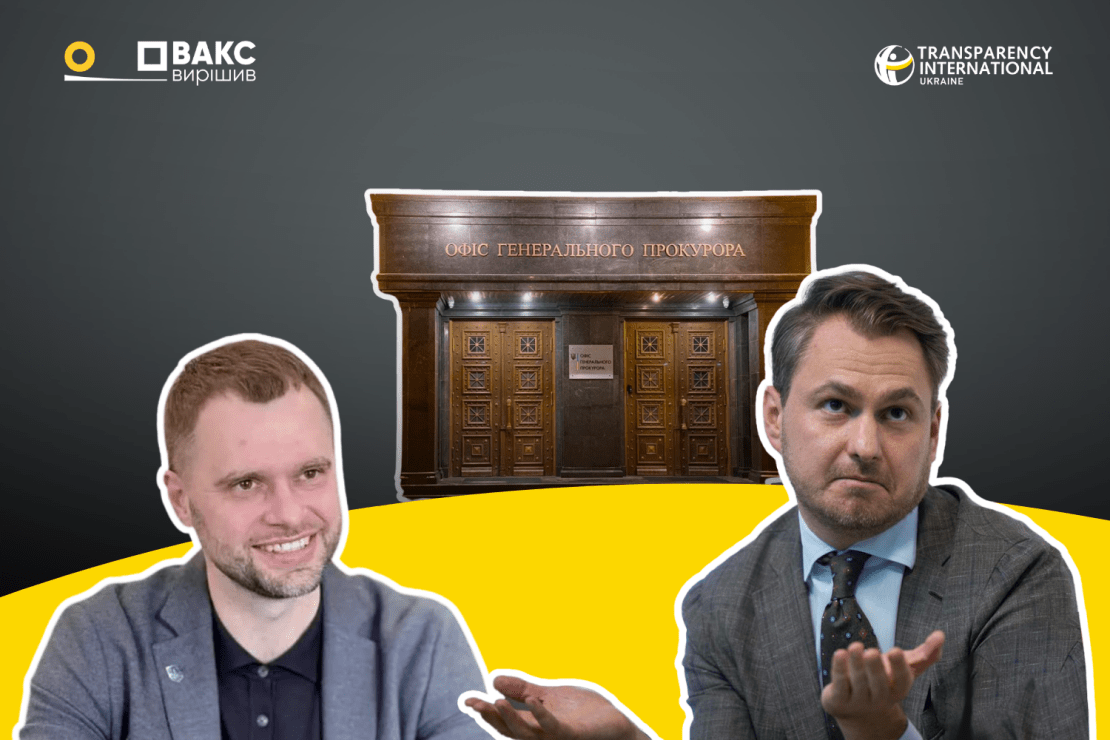
The third case is Carthage. The report does not name it explicitly either, but its description makes clear that this is the case in question. The European Commission writes about a group exposed in September that took bribes for not interfering with fraudulent call centers. It also notes that the case led to the resignations of the Prosecutor General and his First Deputy and to the arrest of senior prosecutors.
According to the investigation, Serhii Kropyva, an official of the Prosecutor General's Office, headed a criminal organization that took bribes for “protecting” fraudulent call centers and laundered over UAH 89.9 million. Kropyva was detained on September 4, and on September 6 the HACC set his bail at UAH 120 million. Prosecutor General Ruslan Kravchenko subsequently resigned.
The investigation is expanding. On October 22, Ivan Tymoshenko, former head of the Information Technology Department of the Prosecutor General's Office, was served with a notice of suspicion. Then, on November 4, the NABU and the SAPO announced a new episode involving bribes to senior officials of the Security Service of Ukraine, the National Police, and the Prosecutor General's Office.
***
All three cases come from just the past year of NABU and SAPO’s work. They are only a few examples from a much longer list of high-profile investigations. Yet even these cases keep expanding: this week alone, a new episode and new notices of suspicion emerged in Carthage. None of this might have happened if, in July 2025, Ukrainians had not come out to defend the independence of the anti-corruption bodies, and if Parliament had not restored their powers within a few days.
The European Commission sees this connection too. In the report, it names the work of NABU, SAPO, and the HACC as the main reason for Ukraine’s progress in fighting corruption. It stresses, however, that pressure on the anti-corruption bodies continues, that their position remains fragile, and that there has been no real legislative strengthening of the anti-corruption infrastructure over the past year.
This material is prepared by the Transparency International Ukraine team