

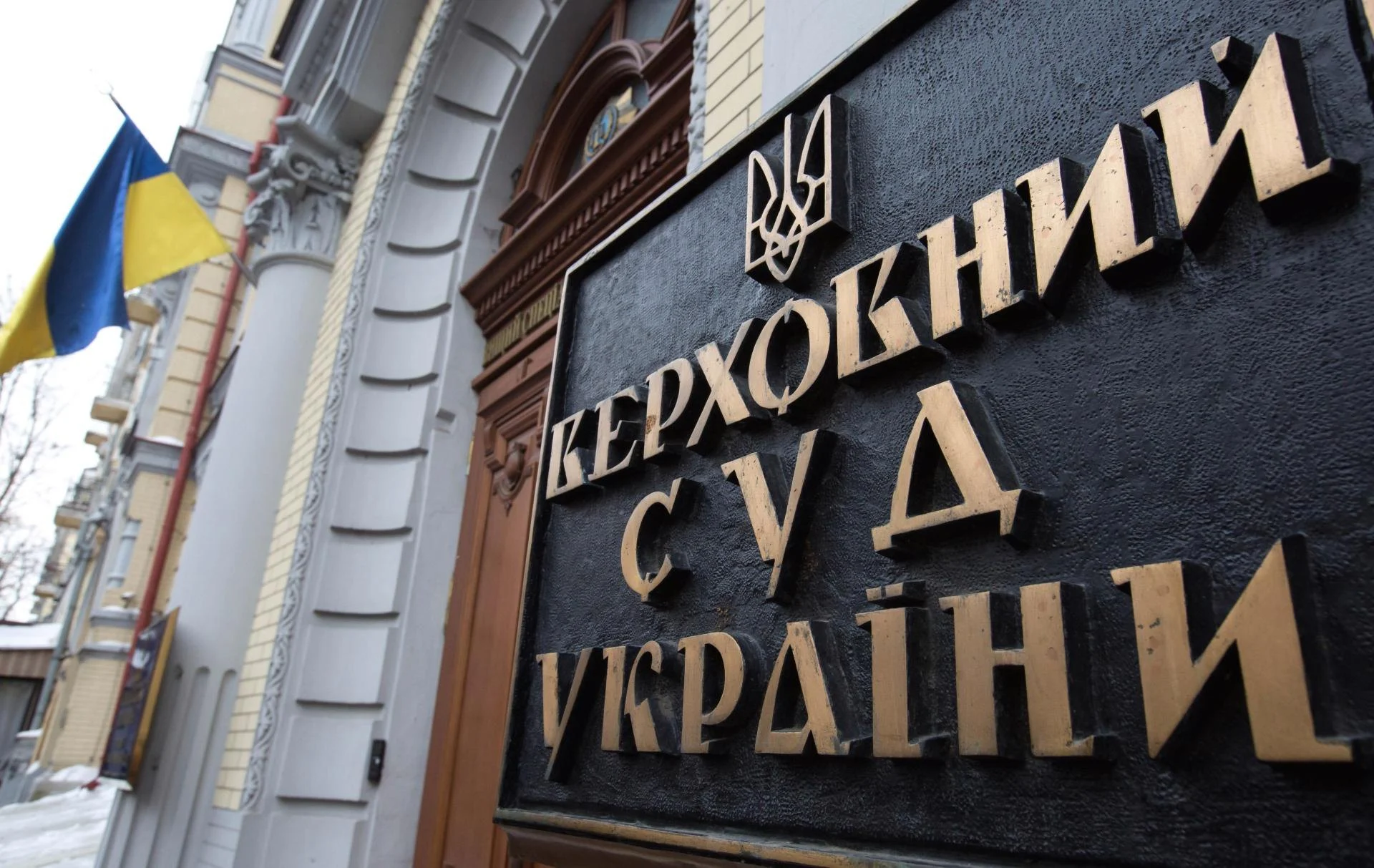


On May 21, 2026, the HACC investigating judge considered the detective's motion for preventive measures against Supreme Court judges Iryna Hryhorieva and Ihor Zhelieznyi.
The HACC set bail for Hryhorieva at UAH 2.5 million — well below the UAH 11.3 million the prosecution had sought. Zhelieznyi was ordered to post UAH 2 million, against the UAH 9.9 million requested. In addition to bail, both suspects were placed under additional obligations, excluding the electronic monitoring bracelet.
Hryhorieva and Zhelieznyi are each suspected of accepting a bribe from oligarch Kostiantyn Zhevaho on May 12, 2023, in prior agreement with Supreme Court Chairman Vsevolod Kniaziev, in exchange for ruling in the interests of his company.
In both cases, the prosecutor grounded the suspicion in materials from operational and covert investigative actions documenting the circumstances of the transfer and distribution of the unlawful benefit. The prosecutor also cited Kniaziev's own testimony — in which he described how the proposals were made, how the unlawful benefit from Zhevaho was received, and how the funds were distributed among individual Grand Chamber judges, including Hryhorieva and Zhelieznyi. Part of the unlawful benefit was found in the suspect's possession.
The prosecution also cited proven risks of the suspects evading the investigation or court, unlawfully influencing witnesses and other suspects, and obstructing the proceedings by other means.
It asked the court to impose the following obligations: appear when summoned; not leave Kyiv or Kyiv Region; surrender passports; refrain from communicating with witnesses; report their whereabouts; and wear an electronic monitoring bracelet.
Hryhorieva's defense called the suspicion unfounded, the risks formal, and the evidence insufficient to substantiate the notice. Counsel stated that the $50,000 found by investigators, which the investigation characterizes as part of a bribe, was in fact a declared loan Hryhorieva had taken from Vsevolod Kniaziev for personal reasons. The defense asked the court to deny the motion entirely or limit bail to the minimum prescribed by Article 182(5) of the Criminal Procedure Code.
Zhelieznyi's defense also asked for the motion to be denied in full, arguing that the evidence does not substantiate the suspicion.
Counsel emphasized that his client systematically supports the Armed Forces of Ukraine, submitted positive character references from his workplace, and provided medical documentation. The defense also highlighted the suspect's difficult financial situation: all his assets have been frozen and he is forced to pay substantial rent.
.jpg)