
.jpg)
The NABU and the SAPO are investigating the possible receipt of an unlawful benefit by Supreme Court judges. According to the case file, this concerns a bribe allegedly paid for issuing rulings in favor of businessman Kostiantyn Zhevaho (owner of the Finance and Credit group), specifically his company Ferrexpo AG.
The case for which the judges allegedly took the bribe concerned the shares of the Poltava Mining and Processing Plant: in September 2022, the court of appeal ordered that they be reclaimed from Ferrexpo AG, which meant that oligarch Kostiantyn Zhevaho would lose control of the plant. To overturn the ruling, Zhevaho decided to bribe the judges of the Grand Chamber of the Supreme Court.
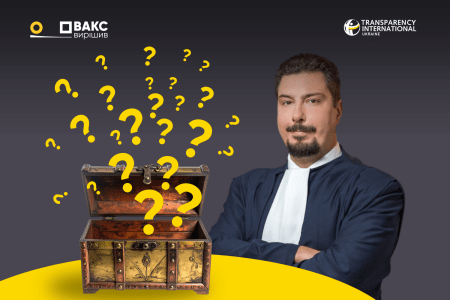
The then chairman of the Supreme Court, Vsevolod Kniaziev, in collusion with lawyer Oleh Horetskyi and notary Kyrylo Horburov, organized a scheme to collect a bribe for issuing the court decision that Zhevaho needed. Kniaziev and Horetskyi pleaded guilty.
According to the investigation, the scheme was built by the intermediaries — lawyer Horetskyi and notary Horburov — while Kniaziev secured the outcome inside the court.
As part of the proceedings, law enforcement suspects:
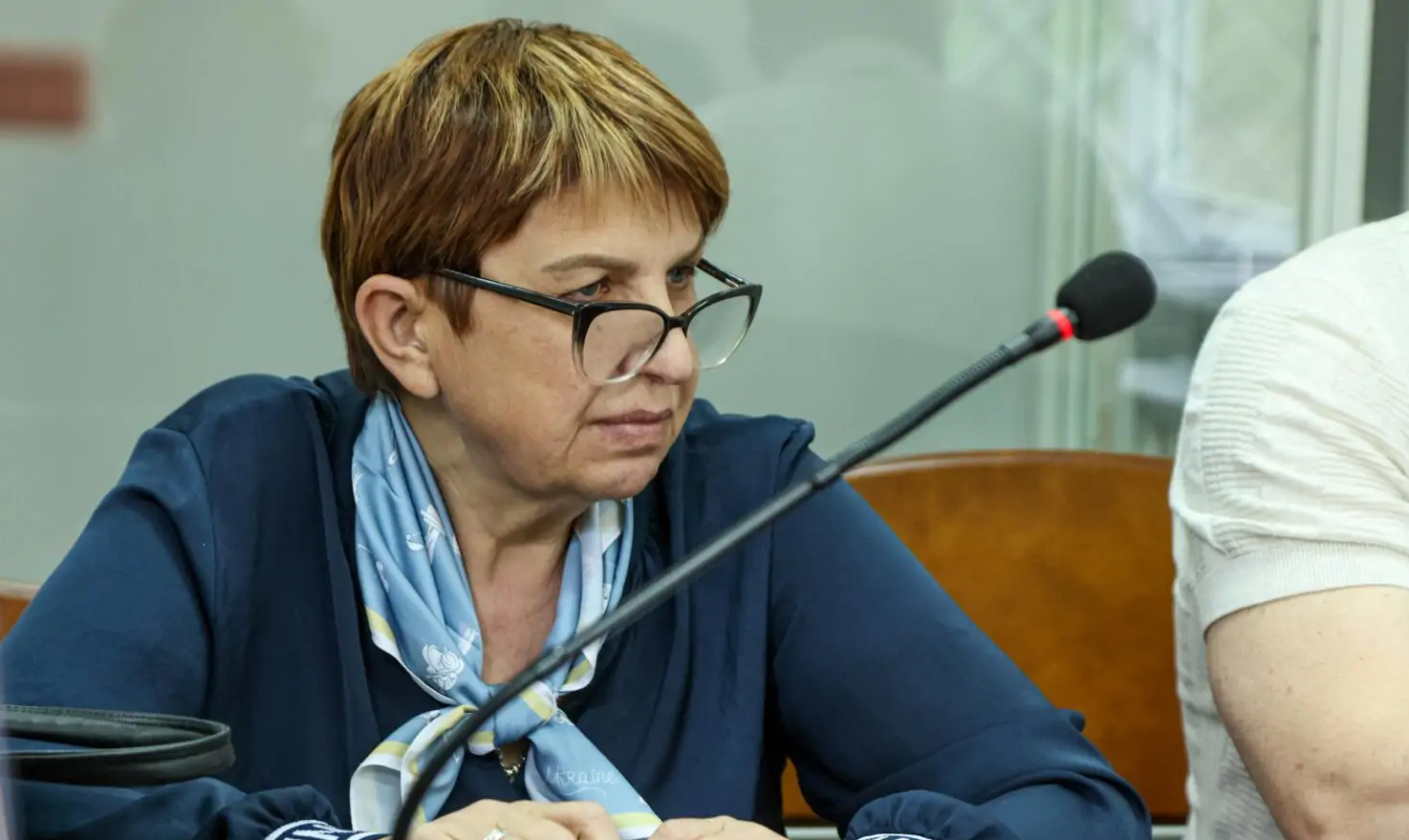
- Zhanna Yelenina, a judge of the Grand Chamber of the Supreme Court;
- Iryna Hryhorieva, a judge of the Supreme Court;
- Ihor Zhelieznyi, a judge of the Supreme Court;
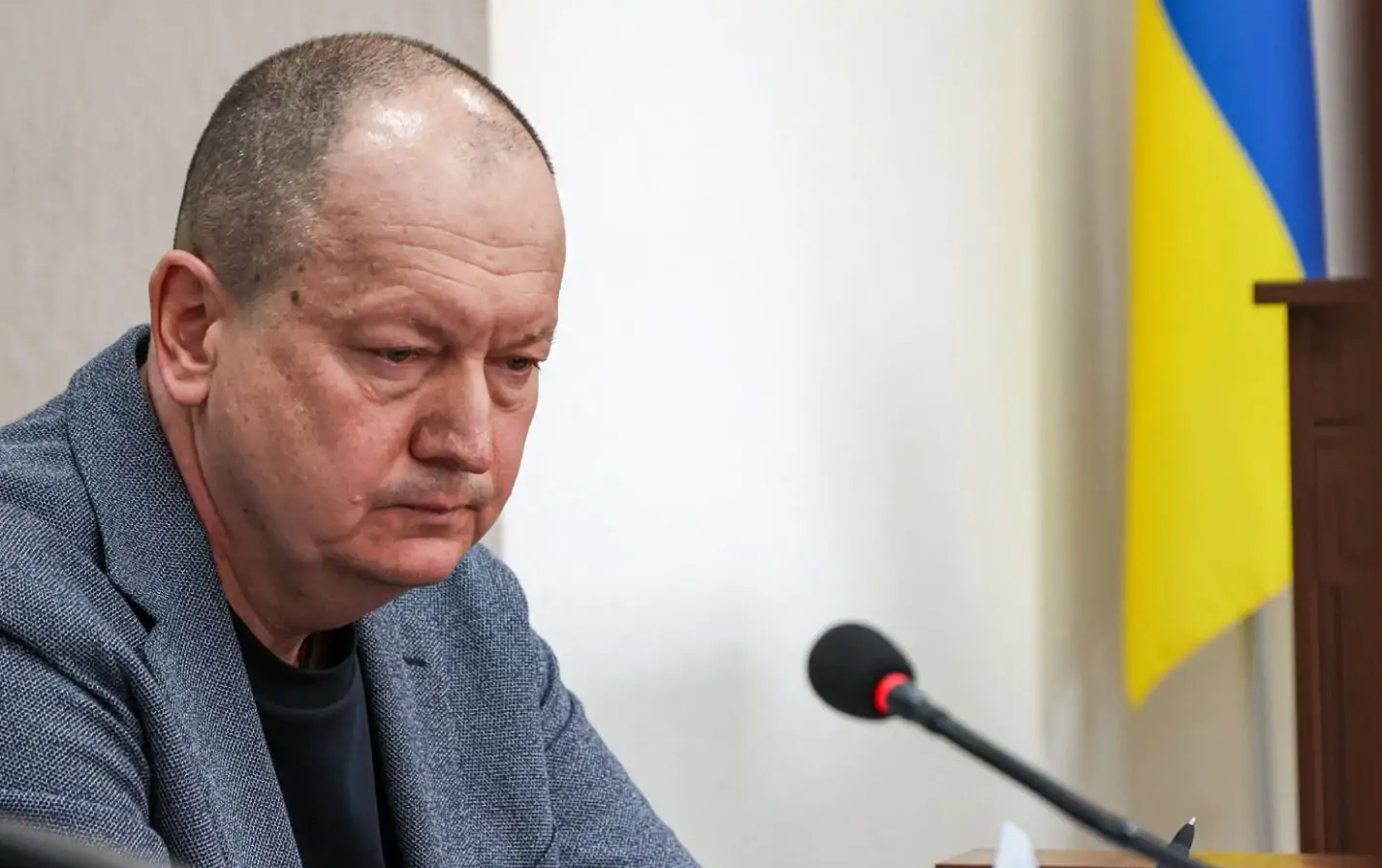
- Oleksandr Prokopenko, a retired judge of the Supreme Court.

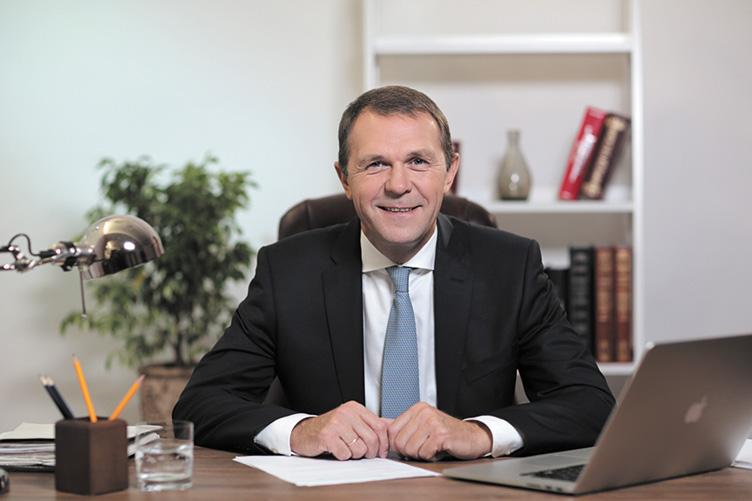
The covert investigative materials contain recordings of conversations in which the progress of the case, the prospects of a favorable decision, and the sums to be passed to the participants in the scheme were discussed. According to the prosecution, in April and early May 2023 the defendants discussed the details of the forthcoming decision and the subsequent distribution of the unlawful benefit.
In May 2023, the investigation recorded the transfer of the funds. And during a search of Vsevolod Kniaziev's office on the Supreme Court premises, part of the sum was seized.
Thus, according to the case file, law enforcement also suspects Iryna Hryhorieva, Oleksandr Prokopenko, and Zhanna Yelenina of each receiving $50,000 by prior conspiracy with Kniaziev, while the investigation suspects Ihor Zhelieznyi of receiving $100,000 the day after the first episode of the transfer of funds, in exchange for issuing the favorable decision.
Lawyer Oleh Horetskyi has already entered a plea agreement. Under the court's verdict, he was released from serving a five-year prison term and given a three-year probationary period. Kyrylo Horburov was not served with a notice of suspicion. According to law enforcement, in the case file Kyrylo Horburov appears as “Kravchenko,” meaning that he had probably changed his surname earlier. Kniaziev himself claimed that Horburov was a NABU agent who effectively provoked the crime.
Kniaziev also entered an agreement. The HACC found him guilty and sentenced him to an actual (non-suspended) prison term of five years. More on this in our piece for the publication Dzerkalo Tyzhnia.
The agreement became possible after Kniaziev began cooperating with the investigation and provided incriminating testimony.
For example, at the hearings on selecting a preventive measure for Prokopenko, the prosecutor quoted Kniaziev's questioning. According to the former Supreme Court chairman, he had discussed with Prokopenko the need to overturn the court of appeal's ruling and remit the case for a new hearing, and had also indicated that there would be “gratitude” for such a decision. Prokopenko, Kniaziev claims, said he would think about it.
The Grand Chamber ultimately ruled in favor of companies linked to Zhevaho.
Prokopenko issued a dissenting opinion on the remittal question, though during deliberations he voted with the majority. After the ruling, Kniaziev says he handed Prokopenko a black folder containing $50,000 in cash and thanked him for the decision. Kniaziev claims that Prokopenko was surprised, since he had supported a different position, but Kniaziev explained that “people are grateful to all the judges.” It is also worth noting that back in 2023, $2,300 in marked bills was found at Prokopenko's home.
The judges' actions were classified under Article 368(4) of the Criminal Code of Ukraine. A pre-trial investigation is currently ongoing.
In May 2026, at the request of the head of SAPO, the High Council of Justice suspended Hryhorieva, Zhelieznyi, and Yelenina from administering justice.