

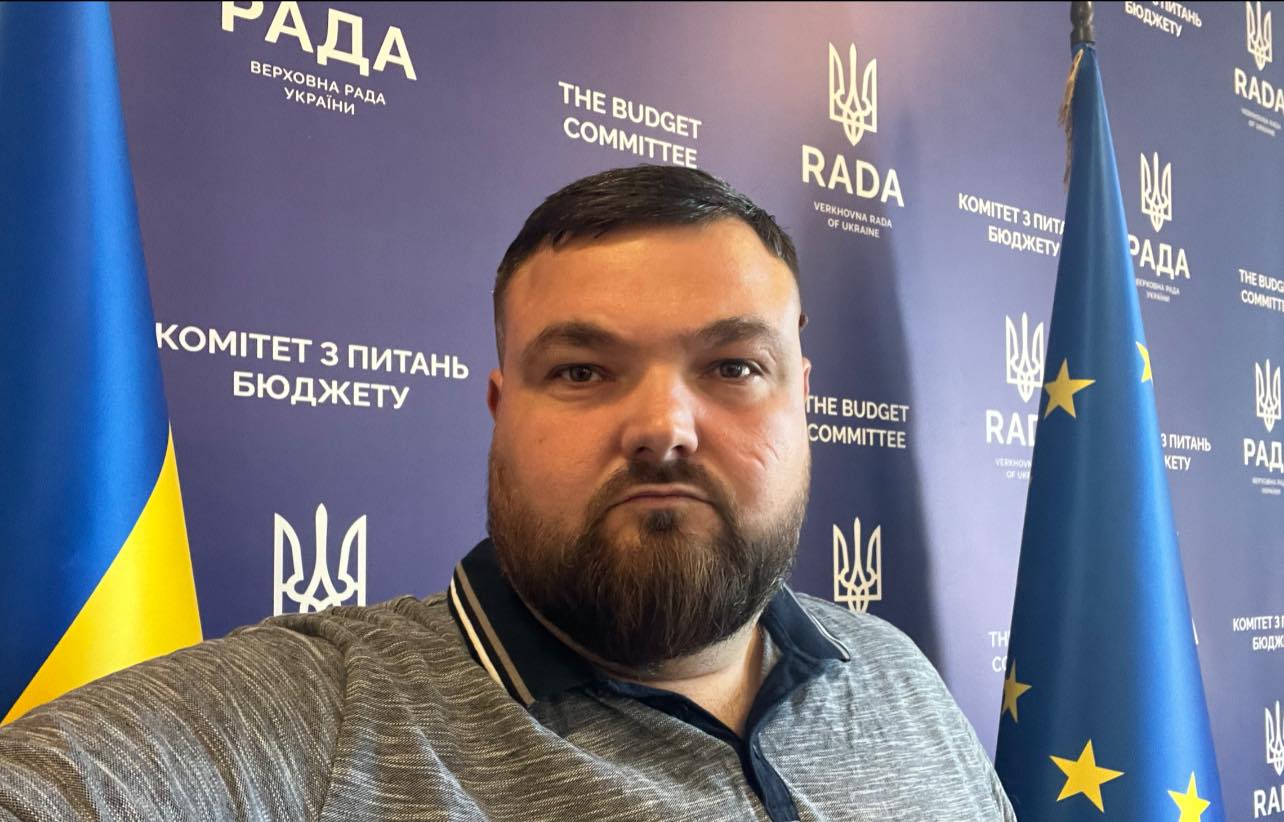


On March 25, 2026, the HACC began substantive consideration of the case against MP Mykola Zadorozhnii and his alleged accomplices, who stand accused of bribing the head of a village council in Sumy region. Back in January, the panel of judges had resolved to close the preparatory hearing stage and schedule the case for trial on the merits, though sessions scheduled for February and early March had failed to take place.
Before proceedings on the merits got underway, Zadorozhnii's defense counsel filed a motion to return the indictment. The panel of judges declined to consider it.
At the opening of the hearing, the prosecutor delivered a summary of the indictment. He stated that in March 2024, Mykola Zadorozhnii had approached the head of a village council in Sumy region and solicited a bribe in exchange for allowing a public tender for the repair of a water pipeline in the Okhtyrka district to proceed without interference. The arrangement called for a personal kickback of 10% of the total contract value for Zadorozhnii himself, and a further 4% to be paid to local law enforcement to ensure they would not obstruct the disbursement of the allocated funds. The total amount of illicit gain involved exceeded UAH 3.4 million.
The parties then delivered their opening statements. In his, the prosecutor highlighted Zadorozhnii's use of accomplices — Miroshnyk and Tkachenko — to facilitate receipt of the unlawful benefit, and proposed that certain documents be examined as evidence of the guilt of Zadorozhnii and the two co-defendants. The prosecutor also read out the list of witnesses the prosecution intends to call, explaining the specific circumstances each is expected to address.
Zadorozhnii's defense counsel rejected the charges against the MP as vague and overly abstract. The defense team argued that the criminal conduct attributed to their client was artificially constructed and that his actions do not constitute a criminal offense. They expressed confidence that Zadorozhnii's guilt will not be proven, citing a complete absence of evidence, and indicated that they would be raising what they see as elements of entrapment by the investigation — a matter they intend to pursue throughout the trial.
The defense for accomplice Tkachenko, in its opening statement, denied that their client had any intent to engage in any unlawful conduct.
.png)