

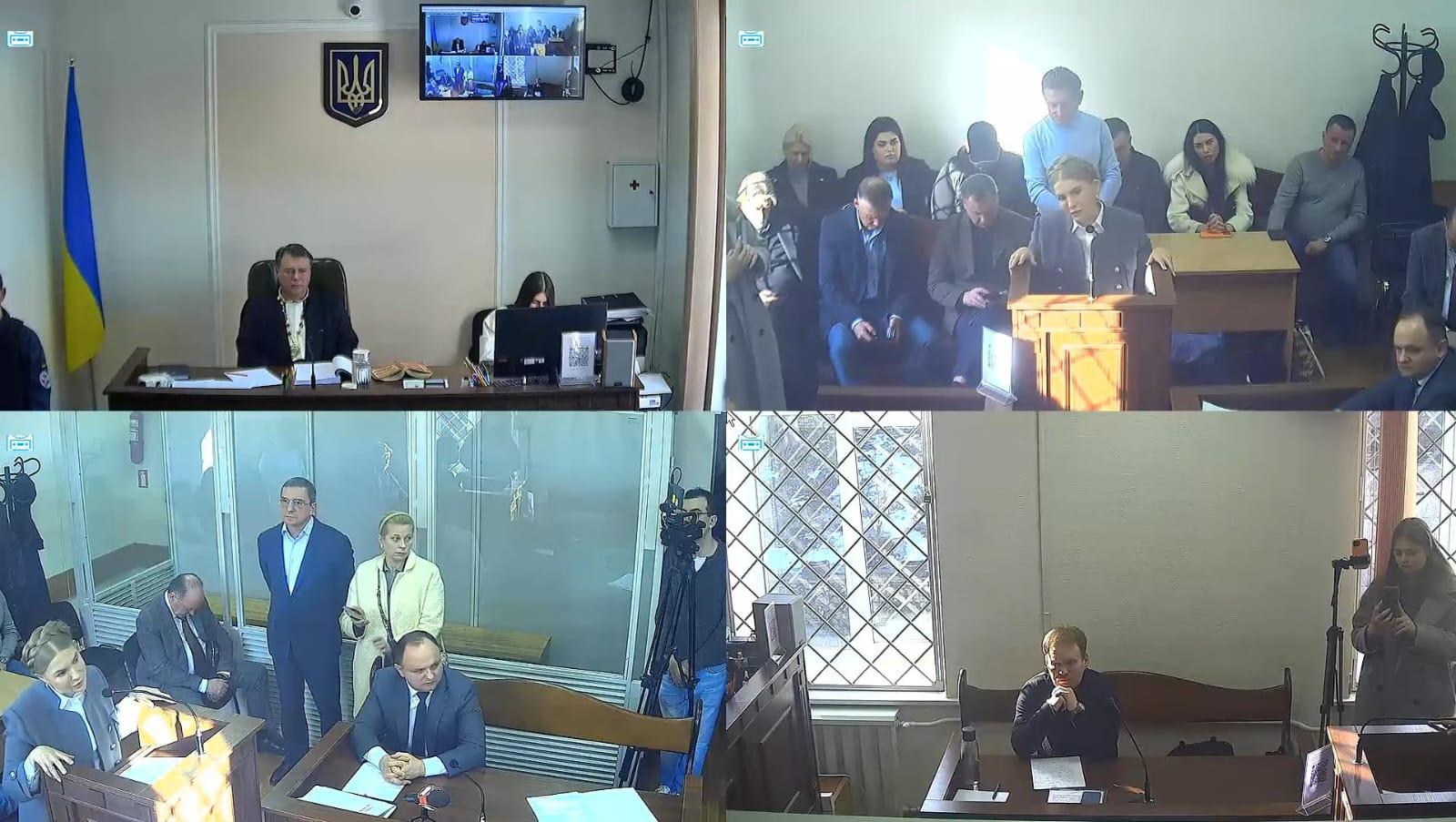


On March 12, 2026, the HACC rejected a motion by Yuliia Tymoshenko’s defense seeking the recusal of investigating judge Vitalii Dubas from considering the request to extend the term of the procedural obligations imposed on the suspect.
The defense argued that the judge had been assigned unlawfully and in violation of the court’s automated case allocation system during the consideration of the motion to impose an interim measure on Tymoshenko. Defense counsel also claimed that Dubas was biased, had grossly violated the provisions of Ukraine’s Criminal Procedure Code, and had imposed excessive obligations on Tymoshenko.
Tymoshenko herself also insisted that the automated allocation had been unlawful, saying that the prosecutors had chosen a “convenient judge” for themselves. In her opinion, Dubas’s bias is reflected in his “unlawful, fundamental alignment and merger with NABU and SAPO” and in the fact that “he wants to legitimize unlawful decisions.” She added that the defense was already preparing a criminal complaint over the alleged violation of the automated case allocation procedure. She described NABU as a “terrorist organization” and said that Dubas would be grateful for the recusal because they “would not get off his back.”
The prosecutor opposed the recusal motion, arguing that such a motion cannot serve as a disguised appeal against a judicial decision. In the prosecutor’s view, the defense’s position amounted to nothing more than disagreement with the court’s rulings. He also said that the defense had failed to prove either the subjective or the objective criteria of judicial bias.
As reported earlier, the NABU and the SAPO served a notice of suspicion on Yuliia Tymoshenko, Head of the Batkivshchyna parliamentary faction in the Verkhovna Rada of Ukraine. According to the investigation, the matter concerns an alleged offer to provide an improper benefit to Members of Parliament of Ukraine in order to influence the outcomes of parliamentary votes.