

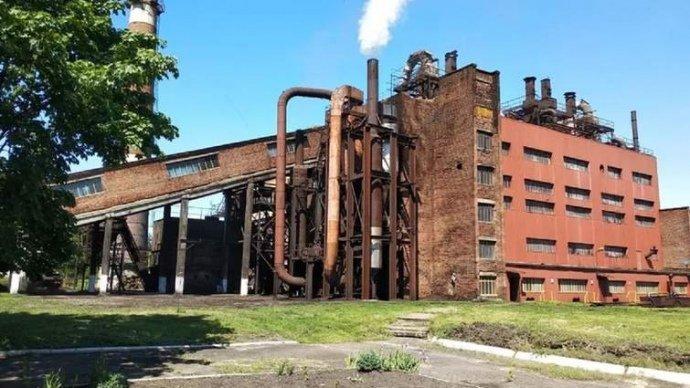
The NABU and the SAPO charge Serhii Holoiukh, former director of State Enterprise Volyntorf, and Oleksandr Shevtsov, former director of Prom-Gaz-Invest LLC, with the misappropriation of almost UAH 6 million.
According to the investigation, Holoiukh, as director of Volyntorf SE, and Shevtsov, as director of Prom-Gaz-Invest LLC, concluded three contracts to purchase securities using the state enterprise's funds.
Specifically, the state enterprise purchased from the asset management company Prime Time LLC 12 investment certificates of the Global Capital closed-end non-diversified venture mutual investment fund, with a total value of over UAH 6 million, though it actually paid around UAH 5.57 million for them. The transactions were concluded with the participation of the Skhid-Invest Stock Agency PrJSC, which acted on the basis of agency agreements.
Soon after the purchase — in December 2013, as well as in January and February 2014 — these same securities were resold to another company, Prom-Gaz-Invest LLC, for approximately the same sum, that is, over UAH 6 million. Formally, this transaction created the appearance of business activity, but, as an unscheduled audit showed, no funds actually arrived from the buyer into Volyntorf's accounts. In this way, the enterprise lost both the money and the acquired assets.
The subsequent course of events only confirmed the fictitious nature of the transactions: Prom-Gaz-Invest LLC later changed its name to Seterus LLC, and by the end of 2014 the Commercial Court of Rivne Region had opened bankruptcy proceedings against it. The company was subsequently declared bankrupt and liquidated, which made any return of funds to the state enterprise impossible.
The results of the audit of Volyntorf's financial and economic activity, as well as the conclusions of a forensic economic examination, confirmed that the transactions described had caused the enterprise losses of over UAH 6 million. At the time, Volyntorf SE was part of the State Concern Ukrtorf and fell within the remit of the Ministry of Energy and Coal Industry of Ukraine. It therefore concerns damage to state interests.
The investigation believes that the key element of the scheme was the use of interconnected business entities — on the side of both the seller and the buyer of the securities, as well as the issuer of the investment certificates.
This allowed the participants in the deal to control the movement of the assets and create the appearance of genuine financial transactions. However, they knew for certain that the assets of the Global Capital fund were unprofitable and had no real investment value.
The defendants' actions were classified under Article 191(5) and Article 366(1) of the Criminal Code of Ukraine.

 08/04/2024


