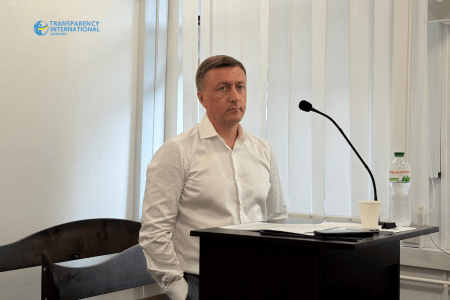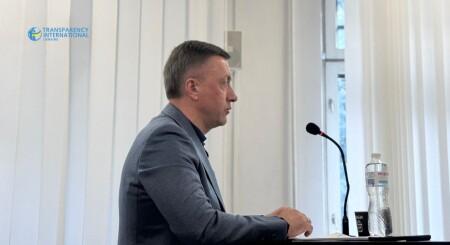

MP Serhii Labaziuk is accused of attempting to bribe Oleksandr Kubrakov, Deputy Prime Minister for Restoration, and Mustafa Nayyem, head of the State Agency for Restoration.
According to the investigation, the MP sought to secure UAH 1 billion in contracts for a company under his control, URD. He allegedly offered officials a kickback of 3–5% of the contract value and, as a “thank you” for financing bridge reconstruction, handed over USD 150,000 in a Chinese-style jewelry box in the parking lot of a Kyiv supermarket.
A notice of suspicion was also served on Denys Nazimov, the director of URD LLC. Labaziuk personally lobbied for the allocation of UAH 1 billion for projects in Khmelnytskyi, Zhytomyr, Kherson, and Rivne regions. Investigators say that during meetings the suspects proposed kickbacks to officials, with Labaziuk personally confirming the proposal and coordinating his business partner’s actions with senior officials.
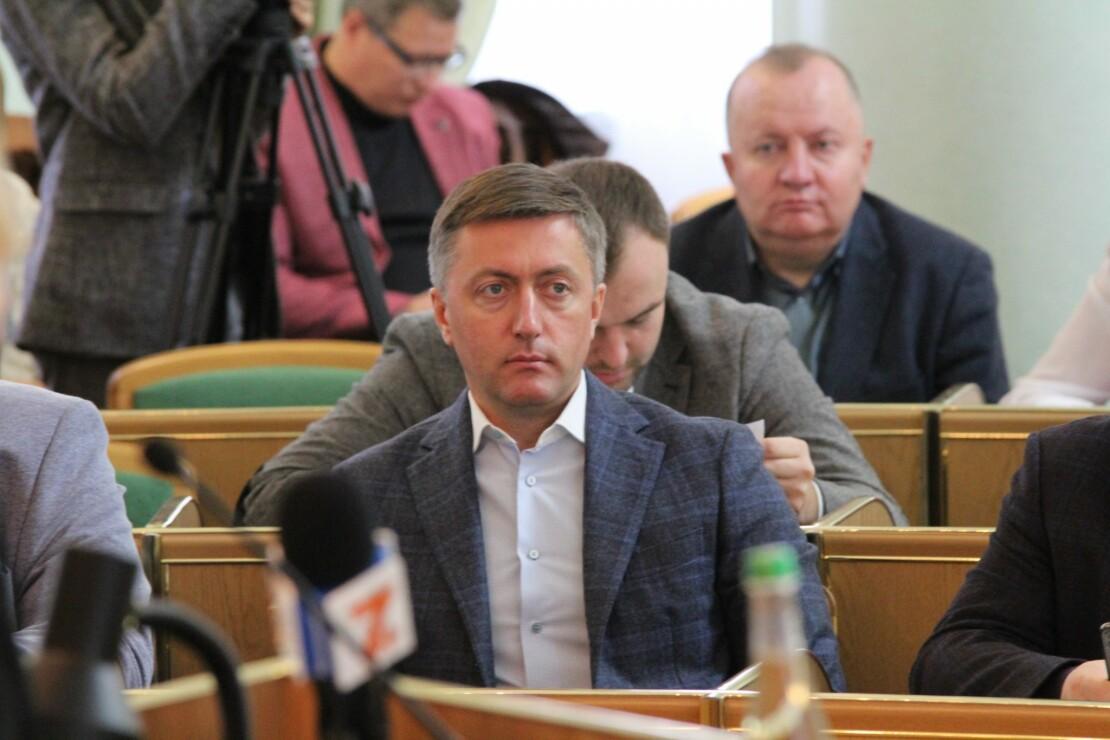
Investigators say Labaziuk approached a senior official at the Agency for Restoration and requested that his controlled company be awarded contracts totaling more than UAH 1 billion. In return, he promised a reward of 3–5% of each awarded contract. The undue benefit, USD 150,000, packed in a Chinese-style jewelry box, was delivered to the supermarket parking lot. Investigators state that all negotiations and the transfer of funds took place under NABU control as part of a controlled operation involving Mustafa Nayyem and Oleksandr Kubrakov.
SAPO prosecutors maintain that the guilt of Serhii Labaziuk and Denys Nazimov is fully supported by the collected evidence. The key evidence, according to the prosecution, consists of recorded conversations in which the suspects allegedly discuss kickback rates in detail and mechanisms for eliminating competitors from tenders. The prosecution argues that the MP played a leading role: he not only initiated meetings with senior officials but also personally confirmed his business partner’s corrupt proposals. Prosecutors also emphasize the alleged systematic nature of the defendants’ intent, pointing to notes and documents seized during searches (so-called drafts) showing how budget funds were to be distributed across specific infrastructure projects.
The defense strategy of Serhii Labaziuk centers on having the key evidence deemed inadmissible on account of systematic procedural violations by NABU detectives. Defense counsel challenge the legality of the searches, pointing to the involvement of minors under 15 as attesting witnesses and the seizure of property without proper court authorization. The defense places particular emphasis on questioning the validity of the covert investigative actions, alleging signs of audio manipulation and discrepancies between the transcripts and the defendants' actual conversations. Furthermore, the defense insists that the senior officials of the Agency for Restoration were involved in the controlled operation outside proper legal procedure, which, in their view, constitutes entrapment and strips those witnesses of whistleblower status.
The defendants are charged under Article 369(4) of the Criminal Code of Ukraine (offering, promising, or providing an undue advantage to an official holding a particularly responsible position, or committed by an organized group or its member).
The High Anti-Corruption Court is continuing its substantive review of the case. Following the conclusion of the pre-trial investigation in May 2024, the case was referred to a panel of judges for trial.
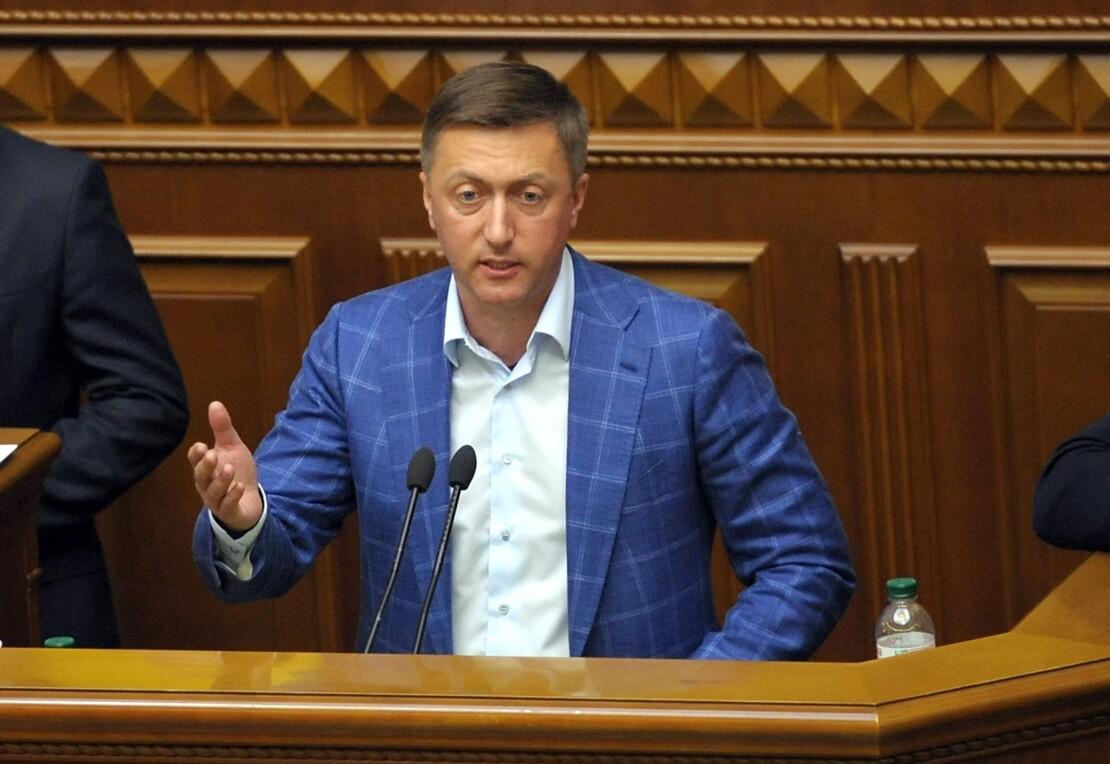
Who is Serhii Labaziuk?
Serhii Labaziuk is a multi-term Member of Parliament. He is known for a number of controversial decisions, the most criticized of which is his vote in favor of the so-called “dictatorship laws” on January 16, 2014, during the Revolution of Dignity. As early as January 20 of that year, activists painted the inscription “You vote for dictatorship — you will burn in hell” on the wall of Labaziuk's constituency office in Khmelnytskyi.
.jpg)
Despite subsequent statements about retracting his vote, this episode remains a defining factor in assessments of his record as a politician who contributed to the curtailment of civil liberties.
In addition, his status as the de facto owner of the large agro-industrial holding Vitagro, while serving on the relevant parliamentary committee, has repeatedly given rise to debate regarding conflicts of interest and the lobbying of business priorities at the legislative level. In 2017, in particular, he lobbied for the abolition of VAT on the export of oilseed crops.
On July 22, 2025, he voted in favor of the controversial draft law No. 12414, which effectively dismantled the procedural independence of NABU and SAPO.