

.jpg)


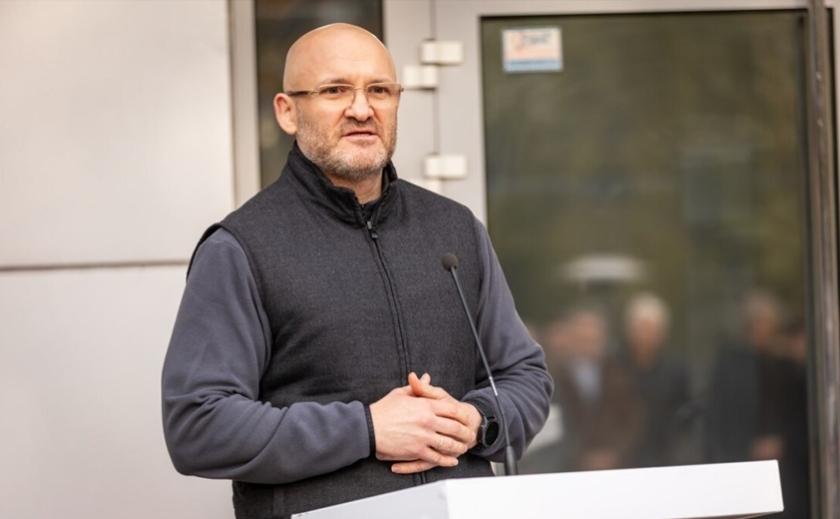
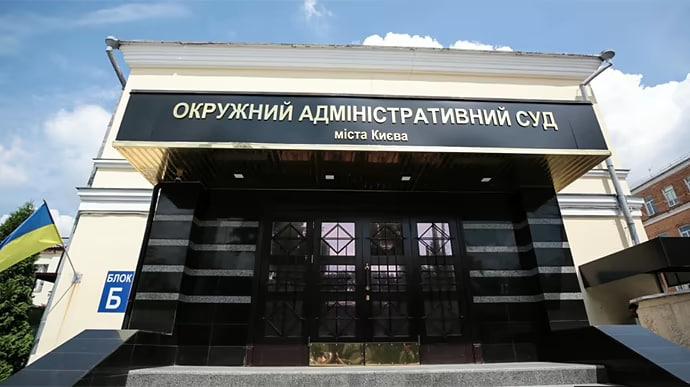
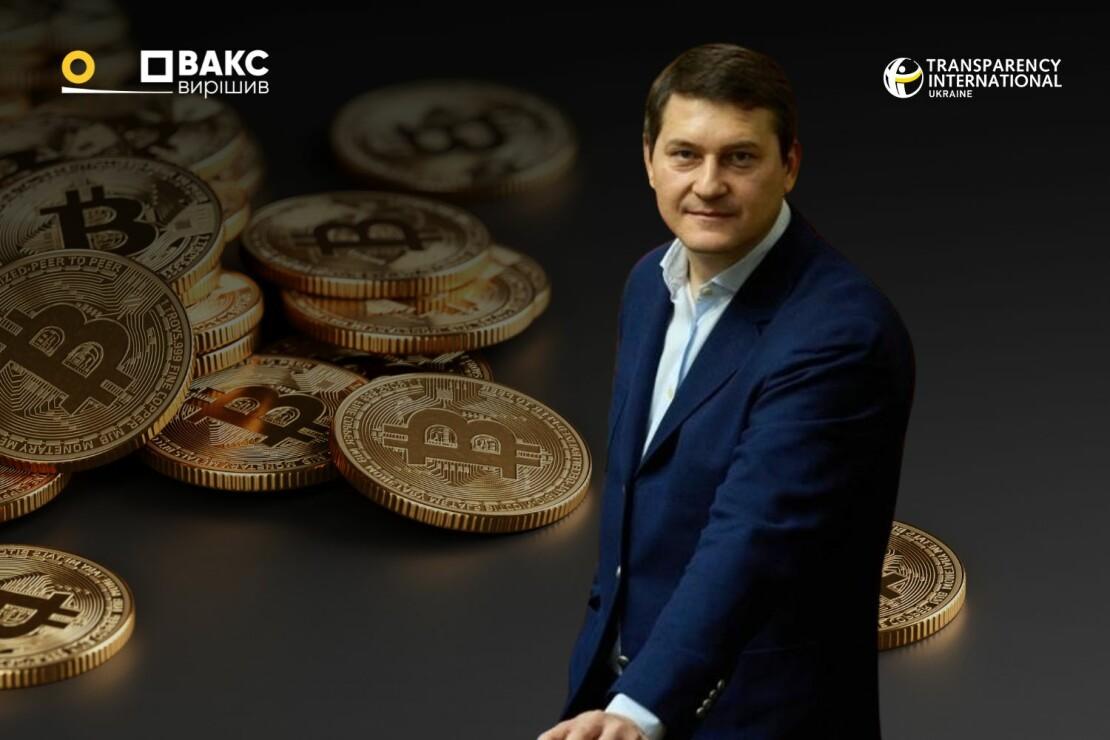
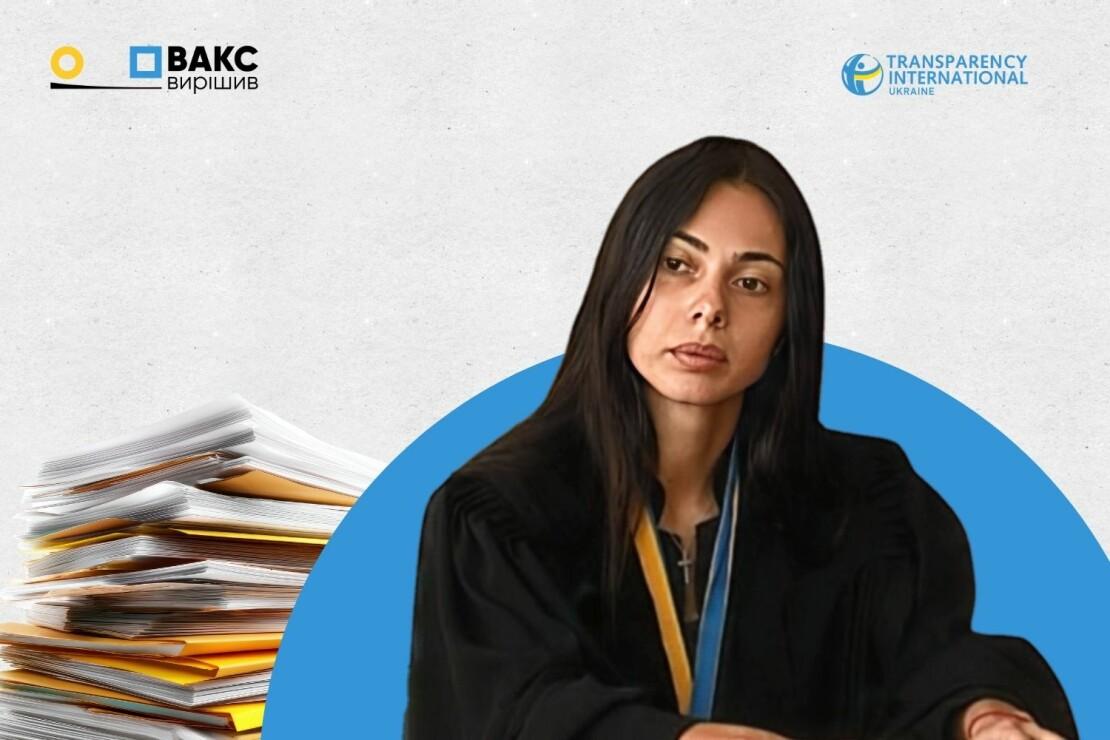
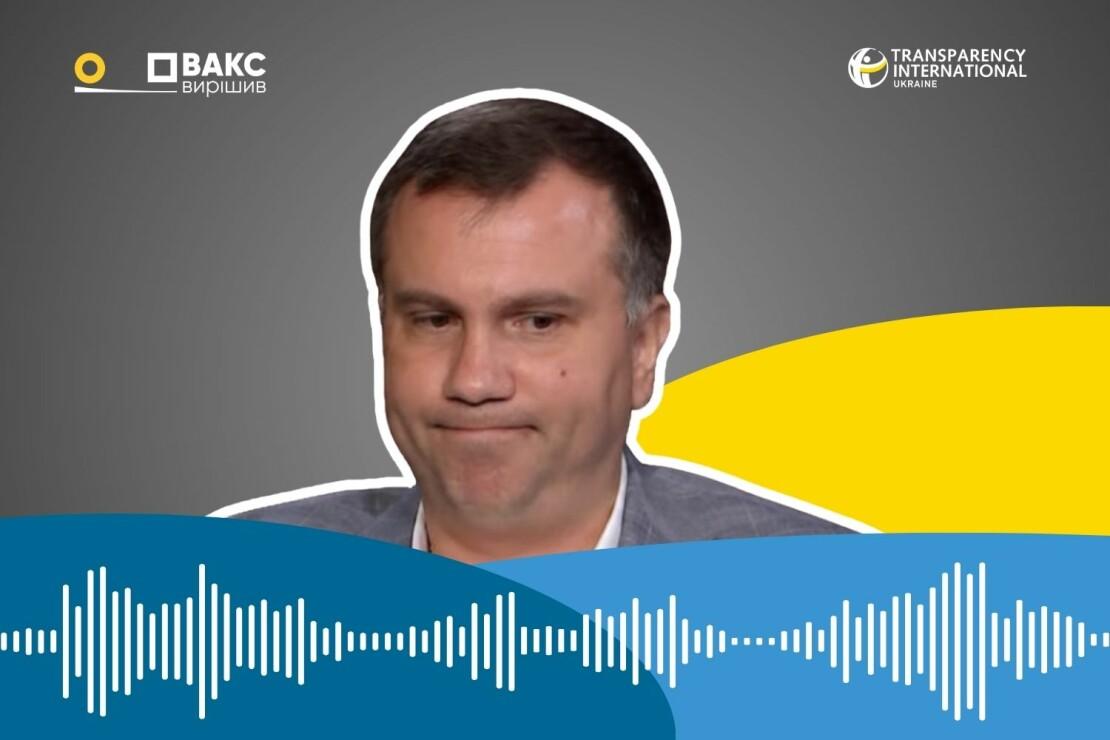
On February 11, 2026, the HACC delivered an acquittal in respect of Volodymyr Orlov, finding him not guilty of soliciting an undue advantage, as the existence of the constituent elements of this criminal offense in his actions was not proven.
From January 2021 to July 2024, Volodymyr Orlov served as First Deputy Head of the Dnipropetrovsk Regional State Administration, and in January–February 2023 he also temporarily performed the duties of the Head of the Administration. Before joining the regional administration, in 2019–2021, he headed ARMA’s South-Eastern Interregional Office. The case therefore drew significant public attention due to the defendant’s professional background and the profile of the key witness.
In October 2024, the NABU and the SAPO served Orlov with a notice of suspicion under Article 368(4) of the Criminal Code of Ukraine. He was suspected of soliciting a $200,000 bribe in exchange for allocating 19 hectares of forest land in the Pishchane community for recreational use.
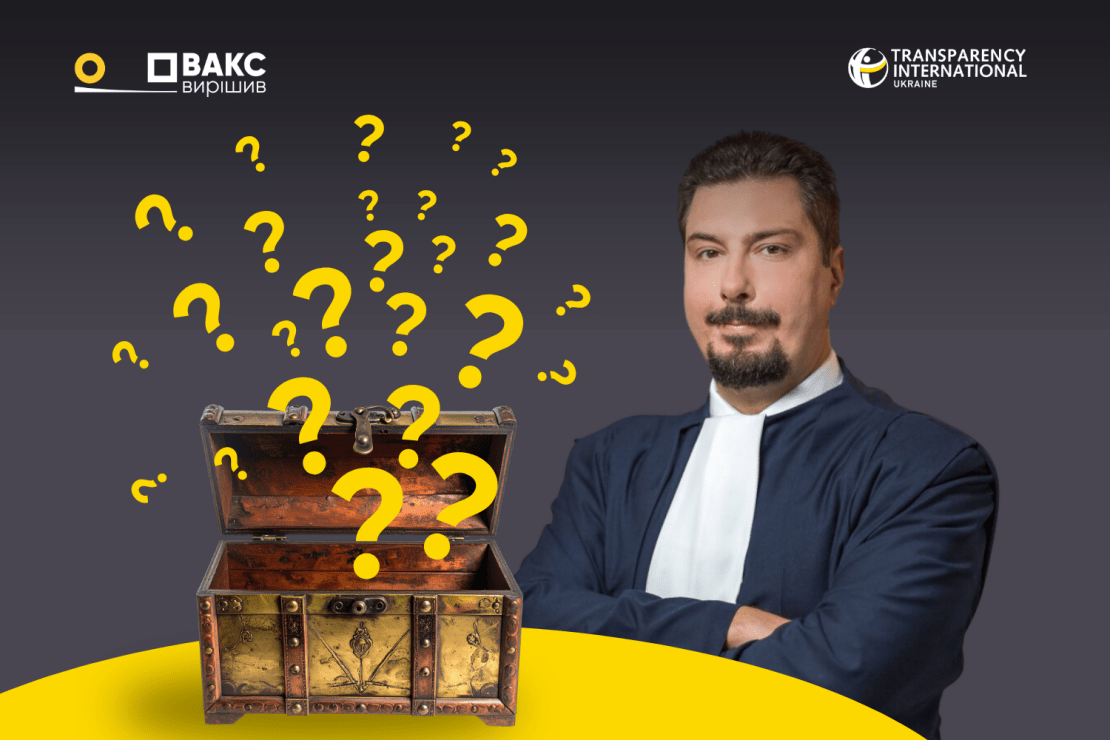
The key complainant and witness in this case was Oleksii Honchar. He is also referred to as the “cashier” of former Supreme Court Chairman Vsevolod Kniaziev, whose case is likewise pending before the HACC. In addition, Honchar appears as a complainant in the case of former Head of the State Judicial Administration, Oleksii Salnikov. Honchar became more widely known to the public after his high-profile interview with investigative journalist Denys Bihus. It was Honchar’s testimony, together with the results of covert investigative actions, that formed the core of the case against Orlov.
Further in the article, we set out the details of this case, key excerpts from the recorded conversations, the main arguments advanced by the parties, and the court’s ruling.
What was Orlov accused of?
According to investigators, at the beginning of 2024, ALFA WAREHOUSE LLC applied to the Dnipropetrovsk Regional State Administration for long-term use of a forest plot of approximately 19 hectares in the Pishchane community for recreational purposes. Despite submitting the required set of documents, the relevant department twice refused to allocate the land.
To clarify the reasons for refusal, a company representative contacted Oleksii Honchar. Honchar was acquainted with Volodymyr Orlov, First Deputy Head of the Dnipropetrovsk Regional State Administration, and agreed to speak with him as an intermediary on this issue.
On May 2, 2024, Honchar met with Orlov and stated that he represented the interests of ALFA WAREHOUSE LLC. According to investigators, during that conversation, Orlov said that he controlled the allocation of forest plots and could secure a favorable decision. However, he allegedly valued his “services” at $200,000.
Orlov noted that formally the matter required approval from the Head of the Dnipropetrovsk Regional State Administration, Serhii Lysak, while personally guaranteeing a “positive resolution.”
The prosecution believes that during subsequent meetings in May, Orlov allegedly gave Honchar detailed instructions on document submission. He reportedly assured him that the matter had already been coordinated with the Administration’s leadership, but that signing the order was being deliberately delayed so that a prompt positive decision would not appear suspicious against the background of earlier refusals.
In June, Orlov returned to the matter again. According to the investigation, he advised waiting for a “favorable moment,” while emphasizing that he was the key official capable of ensuring allocation of the forest land.
The pre-trial investigation began in May 2024. From May through June, law enforcement conducted control over the commission of the crime; in particular, the participants’ conversations were recorded through covert investigative (search) actions. In July, the Head of the Regional State Administration, Serhii Lysak, first placed his deputy, Orlov, on leave and dismissed him from office on the last day of that leave. In October of the same year, Volodymyr Orlov was formally served with a notice of suspicion.
“No one but me will sign it”
After the first meeting with Volodymyr Orlov, which took place on May 2, 2024, Oleksii Honchar reported to the NABU. On that basis, law enforcement initiated control over the commission of the crime, and all subsequent conversations and correspondence between the individuals involved were recorded.
According to the prosecution, acting on Orlov’s instructions, Honchar submitted documents via the Dnipropetrovsk Regional State Administration’s mailbox seeking allocation of a land plot to ALFA WAREHOUSE LLC. Orlov, in turn, set the timeline: the money had to be delivered within three days after the petition was signed. He assured him that “everything would be fine” and that they only needed to wait.
During a meeting on May 14, 2024, Honchar attempted to negotiate a “discount,” proposing to reduce the bribe amount from $200,000 to $150,000. As the prosecutor notes, Orlov was not surprised by the proposal. He only asked what Honchar’s share would be in that case and added that he still needed to speak with the “boss” (Serhii Lysak — editor’s note) once he returned from leave.
Covert investigative actions recorded a conversation in which the official emphasized his importance:
Orlov: "Well, when I’m there. I’m the one, not him, who signs the papers."
Later, in text correspondence, Orlov directly outlined the distribution of funds:
Orlov: "By the way, I’ll tell the boss the amount; then I get 20 percent."
Honchar: "Then let’s split in half whatever is left for us."
Orlov: "Let’s see, we’ll talk to him now."
Honchar: "Then give the command."
Orlov: "Okay."
According to the prosecution, this fragment of dialogue clearly indicates that Orlov was not only dissatisfied with the reduced “fee” amount, but also retained the final say on the bribe issue.
On May 30, 2024, Orlov returned to the land issue again. He explained the delay by the specifics of management workflow, but assured that a positive decision would follow:
Orlov: "It all got spun up like this… because the boss is like that… now for sure, when we’re leaving, it needs to be signed; let it simmer a little. Tell them to wait."
In June correspondence, the official asked how quickly Honchar could bring the money if the documents were signed. Honchar replied that one day would be enough.
During the June 25 meeting, responding to Honchar’s doubts about a possible refusal, Orlov once again stressed his decisive role:
Orlov: ‘Well, the only person who can sign is me… They’ll resist anyway; no one but me will sign it."
How did it happen, in the defense’s view?
Volodymyr Orlov’s defense maintains that both the criminal event itself and proper evidence of either acceptance of a bribe offer or receipt of a bribe are absent. According to the defense, no transfer of funds took place, and the land plot was never granted to the company.
The defense also points out that after Orlov’s dismissal, ALFA WAREHOUSE LLC re-applied and was again refused. In counsel’s view, this confirms the absence of any consequences that could indicate implementation of a corruption scheme or the defendant’s actual influence over the process.
The defense further argued that allocation of forest plots was not within the sole authority of the First Deputy Head, but rather the exclusive prerogative of the Head of the Administration. In their account, Orlov repeatedly refused to facilitate the matter and did not sign any administrative acts. They submit that this is confirmed both by the absence of such decisions and by the covert investigative records.
The defense separately emphasized procedural nuances: the first meeting on May 2 was not recorded by technical means, and the only source regarding the substance of that conversation is Honchar’s testimony.
The defense stresses that throughout the investigation period, Orlov received no commercial proposals and acted strictly within the law. Instead, the defense sees the interests of then-Head of the Dnipropetrovsk Regional State Administration, Serhii Lysak, behind the case. Orlov himself repeatedly alleged pressure from NABU and threats of dismissal.
Honchar: witness or provocateur?
The key and only prosecution witness in this case is Oleksii Honchar. Security measures were applied to him, so he was examined in closed session under the name O. Torop. Only later was it definitively established that O. Torop was in fact Oleksii Honchar.
As noted above, Honchar was also a complainant in the case of former Head of the State Judicial Administration Oleksii Salnikov, who was sentenced to three years’ imprisonment for abuse of influence.
The defense emphasizes what it describes as the witness’s highly contradictory reputation: he is a Russian citizen and is wanted by Russian authorities. In addition, two fraud cases against him are pending in Ukraine. In the defense’s assessment, this makes Honchar fully dependent on law enforcement and therefore a potential instrument for provocation. In their view, this calls into question his impartiality and motives.
Counsel also points to indicators of provocation by Honchar, including his active role in initiating meetings with Orlov.
However, the prosecutor argues that, as a matter of law, a provocation theory requires the accused to acknowledge both the fact of the offense and his own guilt. Orlov has done neither. According to the prosecution, NABU detectives did not interfere in the circumstances of the offense in any way, which excludes unlawful incitement by law enforcement.
As to the key witness personally, the prosecutor also stated that no criminal proceeding against him has ended in a final court judgment. His participation in the Salnikov case, by itself, does not undermine the credibility of Honchar’s testimony.
Who else testified in court?
During trial, the HACC also examined defense witnesses: Dnipropetrovsk Regional State Administration officials, including Serhii Lysak, and representatives of ALFA WAREHOUSE LLC. Lysak explained that the land-allocation procedure runs through specialized administrative units, so a deputy cannot make such decisions unilaterally. Lysak also described Orlov as an experienced professional and emphasized that he was unaware of any facts of solicitation of an improper benefit.
Olha Smakota, Director of ALFA WAREHOUSE LLC, told the court that at the time her company was effectively operating at a loss and had no available funds to pay such substantial sums. Smakota also explained that she only supervised day-to-day operations, while all key decisions were made by the owner, Nataliia Kutsa. She learned about refusals to grant the land from the company’s lawyer, but due to the passage of time she no longer recalls many details regarding document signing. The company’s lawyer, Oleh Padenko, confirmed that he handled preparation of the documents and legal support for the lease process.
What did the HACC decide?
After examining the evidence and hearing the parties, the HACC acquitted Orlov, concluding that the prosecution had failed to prove beyond a reasonable doubt that he committed the offense under Article 368(4) of the Criminal Code of Ukraine.
In the court’s view, the prosecutor’s version, that it was Orlov who solicited an undue advantage, was not the only plausible one. The key conversation of May 2, 2024 was not captured by covert investigative measures, so its content is known only from the participants’ accounts. Based on their testimony and the other evidence, the court found that at least several scenarios remained possible:
-
Orlov himself solicited a bribe.
-
Orlov accepted an offer of an undue advantage.
-
Honchar and Orlov had colluded in advance to express a request to representatives of ALFA WAREHOUSE LLC to provide a bribe.
Because of this, the court held that it was impossible to establish conclusively that the prosecutor’s specific version was correct. In the court’s assessment, the doubts in this situation pointed rather to the conclusion that Orlov did not himself make the solicitation, but instead agreed to accept Honchar’s offer.
The recorded conversations showed that both sides discussed amounts, their distribution, and the timing of the signing of the administrative order, while Honchar also initiated meetings. The court further noted that testimony from a single witness was insufficient, and that the remaining evidence did not allow the court to determine who first initiated the bribery discussion.
Since doubt remained as to whether guilt had been proven, the court interpreted that doubt in favor of the accused and returned a not-guilty verdict.
However, the court rejected the defense’s provocation argument as unsubstantiated. It found that law enforcement acted passively: they became involved only after receiving a report of a possible crime and limited themselves to documenting events. The court found no evidence that law enforcement or the complainant acting under their direction created artificial conditions or incited the accused to commit unlawful acts.
What comes next?
Although Volodymyr Orlov was acquitted at first instance, the case is not over. The SAPO has stated that it disagrees with the judgment and is preparing an appeal. It has one month to do so.
In the near term, the case will move to the HACC Appeals Chamber, where the judges will reassess the prosecution evidence and provide a final legal assessment of Orlov’s actions.
This material is prepared by the Transparency International Ukraine team
This publication was prepared within the framework of the “Digitalization for Growth, Integrity, and Transparency” (UK DIGIT) project, implemented by the Eurasia Foundation and funded by UK Dev. The material was produced with the financial support of the UK Government’s International Development Assistance Programme. The contents of this material are the sole responsibility of Transparency International Ukraine; the views expressed do not necessarily reflect the official policy of the Government of the United Kingdom.

.png)
.png)

.jpg)

.png)
.png)


.jpg)
.png)

.png)

.png)
.png)