



First published in Grunt
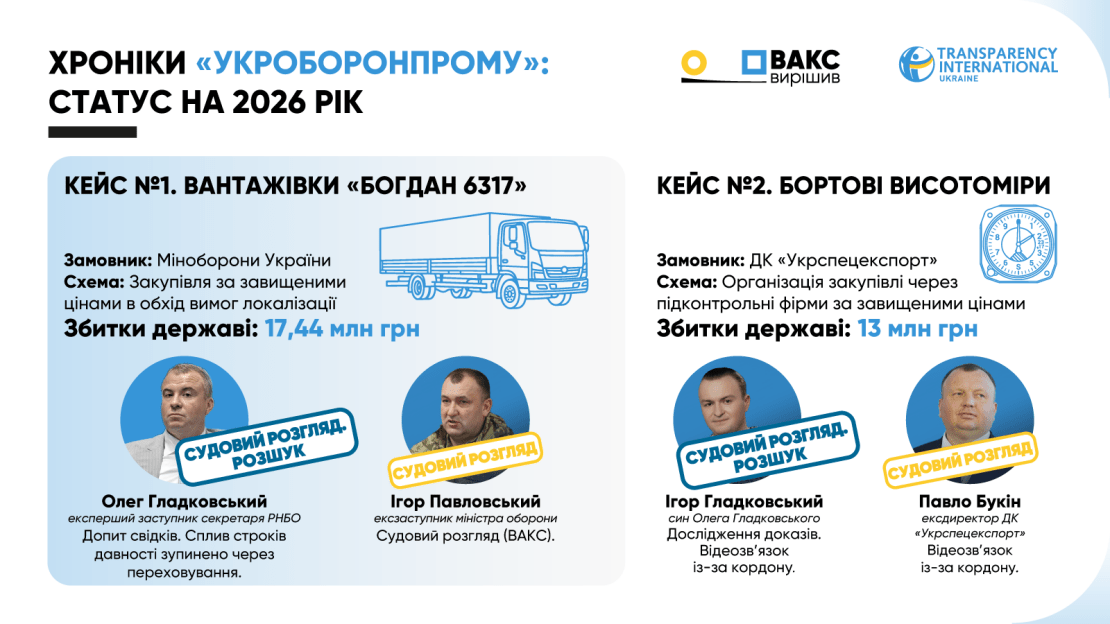
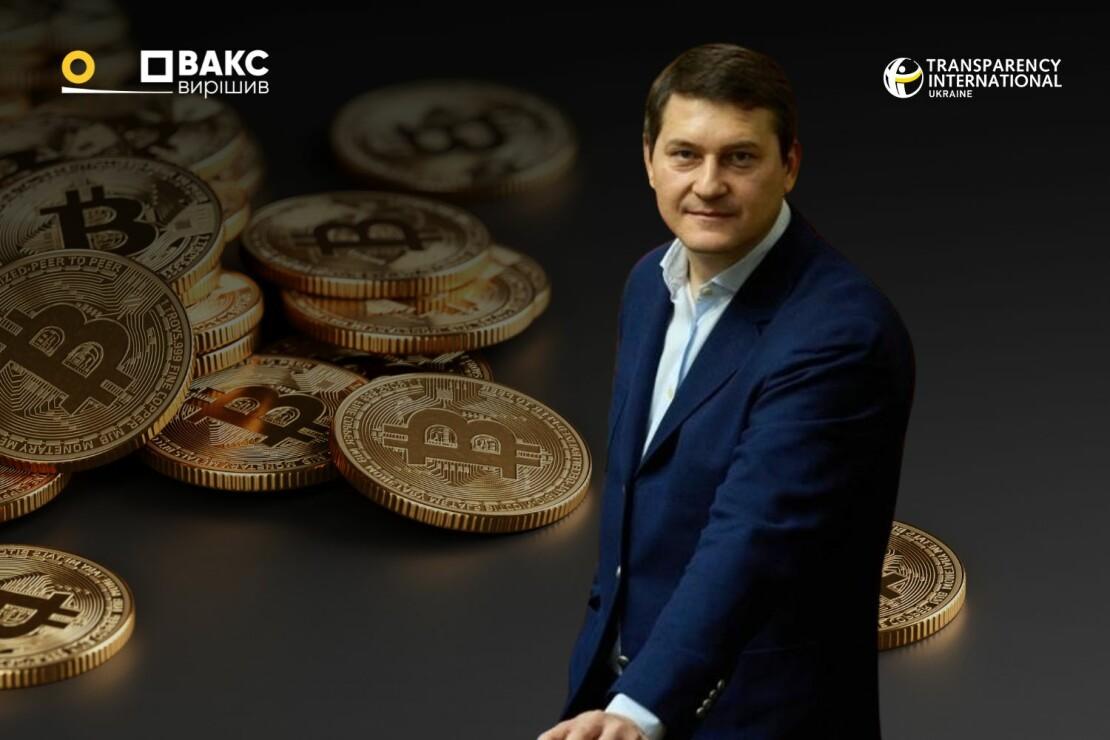
In August 2026, the statute of limitations expires in the case concerning UAH 13 million in losses to the state on the procurement of aircraft altimeters — and Ihor Hladkovskyi, the son of former NSDC Deputy Secretary Oleh Hladkovskyi, could have escaped liability. But he left the country, so the court will still have a chance to hear the case on its merits in time. That is because, under the law, the running of the statute of limitations is suspended when the accused evades the court, and the period then amounts to 15 years..
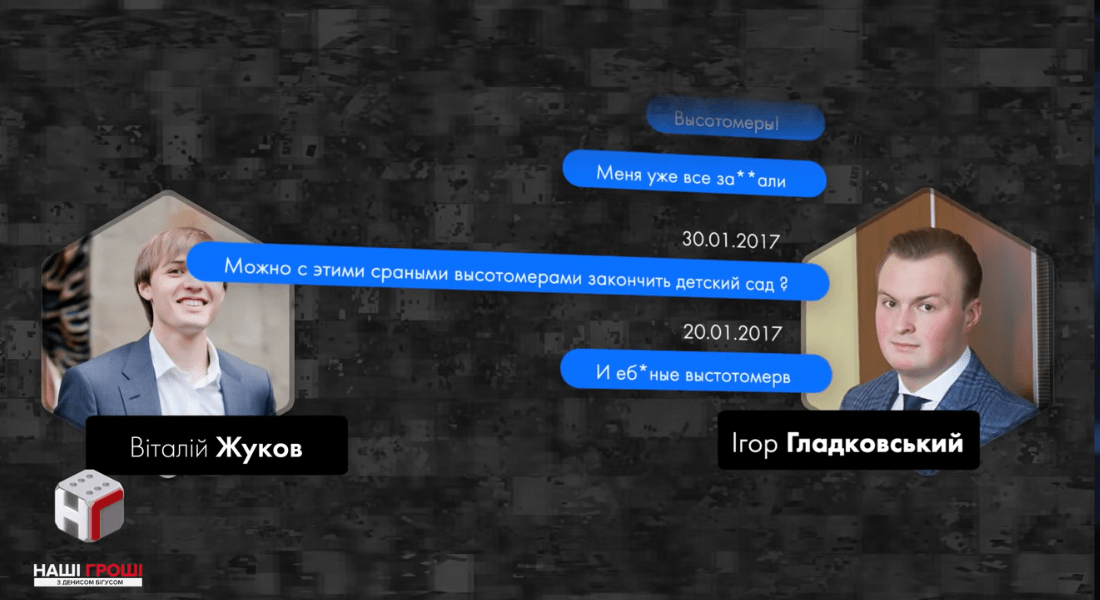
The scandal over alleged corruption in the defense sector erupted publicly in February 2019, when the first installments of the Bihus.Info journalists' investigation came out, exposing the procurement of smuggled Russian parts through front companies at inflated prices. The central figures were the then First Deputy Secretary of the NSDC, Oleh Hladkovskyi; his son Ihor; and their associates Vitalii Zhukov and Andrii Rohoza, who ran the company Optymumspetsdetal.
The journalists published correspondence suggesting that bribes had allegedly been paid to tax and law enforcement officials so they would “turn a blind eye” to the schemes. The scandal caused an enormous stir. Opponents of then-President Petro Poroshenko demanded his impeachment, and in March 2019 Oleh Hladkovskyi was suspended from his post and later dismissed.
As it later emerged, the criminal case predated the Bihus.Info investigation: the Main Military Prosecutor's Office had opened proceedings over the misappropriation of public funds back in 2016. But after the journalists' report came out, the NABU took over the case, and in November 2019, the Prosecutor General handed all the materials to the Bureau's detectives.
Seven years have passed since then. We look at what has become of those named in the investigation — who have been convicted, and whose cases are still dragging through the courts.
Oleh Hladkovskyi: why is the Bohdan trucks case still without a verdict?
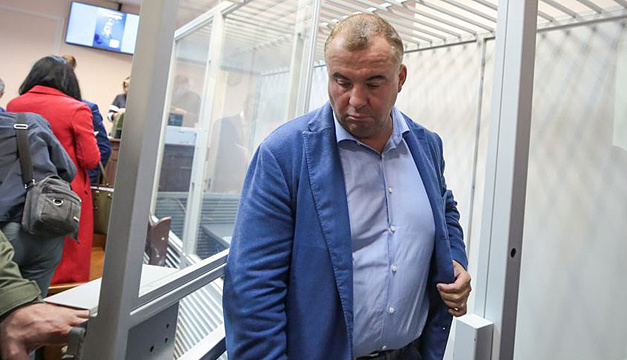
In October 2019, Oleh Hladkovskyi tried to fly out of Ukraine, but NABU detectives detained him on the Boryspil highway. The very next day he was served with a notice of suspicion, and in June 2020 the pre-trial investigation was completed.
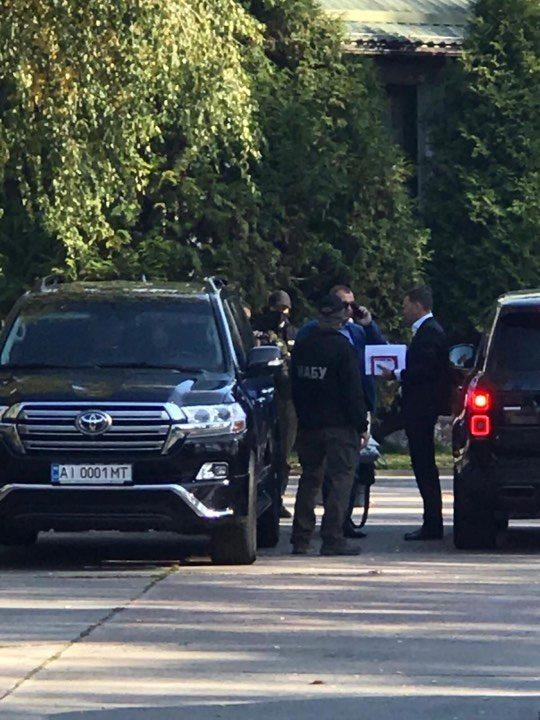
According to the investigation, in 2017 Hladkovskyi — then First Deputy Secretary of the NSDC — organized the procurement of Bohdan 6317 military trucks at inflated prices. He was allegedly assisted by former Deputy Defense Minister Ihor Pavlovskyi and former Ministry of Defense department head Andrii Araptanov.
The manufacturer chosen was the Bohdan Motors plant, in which Hladkovskyi himself and his family held stakes. A government resolution required at least 60% Ukrainian localization of production, but the plant actually achieved only about 10%. According to the investigation, under pressure from Hladkovskyi this requirement was lowered to 20%, on the condition that localization within Ukraine gradually reach 30% — and the company secured the government procurement order. The costs of increasing localization were to be borne by the manufacturer itself, but the company, the prosecution alleges, unlawfully shifted them onto the state budget.
The contract had a fixed price, and changing it was expressly prohibited. Despite this, Ministry of Defense officials signed supplementary agreements and approved a price increase. As a result, the state likely overpaid the supplier UAH 17.44 million without justification — as confirmed by the State Audit Service and forensic examinations.
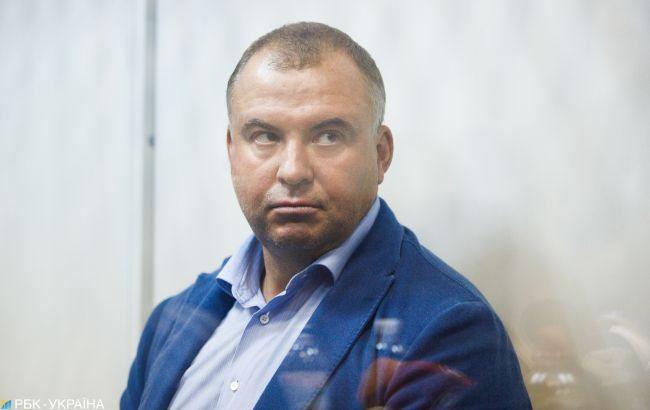
The former official's conduct throughout the proceedings deserves particular attention. In 2019, the HACC set his preventive measure — detention, with the alternative of UAH 10.6 million in bail. The bail was posted, and in March 2022, after the start of the full-scale invasion, Hladkovskyi asked the court to transfer that money to the needs of the Armed Forces of Ukraine and to replace the bail with a personal recognizance. The court agreed, and soon afterward Hladkovskyi stopped appearing at hearings — it turned out he had left the country. In April 2024 he was put on the wanted list, and in May 2025 news broke of his detention in Spain.
Since August 2022, the HACC has been hearing the case on its merits: witnesses are currently being questioned, and the defendants will be next. The statute of limitations was due to expire in 2027, but because the principal defendant is abroad (likely evading justice), that period is extended. Even so, extradition from Spain may drag on, so there is a risk that the case will never reach a verdict. In May 2025, Hladkovskyi attempted to join a hearing remotely, but the court refused, since the proceedings were being conducted in absentia. Since then, no further public information about his extradition has been available.
The case against Hladkovskyi Jr.
Oleh Hladkovskyi's son Ihor received his first notice of suspicion in December 2020. According to the investigation, he influenced the management of the state-owned company Ukrspetsexport to supply parts of dubious origin to Ukroboronprom enterprises through Optymumspetsdetal, and received UAH 950,000 in unlawful benefit for doing so. Since 2021, this case has been before the Solomianskyi District Court of Kyiv.
In October 2023, Hladkovskyi Jr. received a second notice of suspicion: he and former Ukrspetsexport Director Pavlo Bukin are charged with causing nearly UAH 13 million in losses to the state on the procurement of aircraft altimeters. According to the investigation, by using his father's influence, Hladkovskyi secured Bukin's appointment to the post and later organized the procurement through controlled companies at inflated prices. Since July 2024, the HACC has been hearing the case on its merits.
He was first put on the wanted list in 2021, after which he returned to Ukraine. In 2022 he left again, as did Pavlo Bukin. Both join the hearings remotely.
The court denied the prosecutor's request for in absentia proceedings and chose the ordinary procedure with the defendants taking part via video conference, while nonetheless establishing that they had been hiding from the investigation. The statute of limitations for Hladkovskyi Jr. could have expired in August 2026, but because he is abroad — again, likely evading justice — the general 15-year limitation period may apply.
The Rohoza and Zhukov case
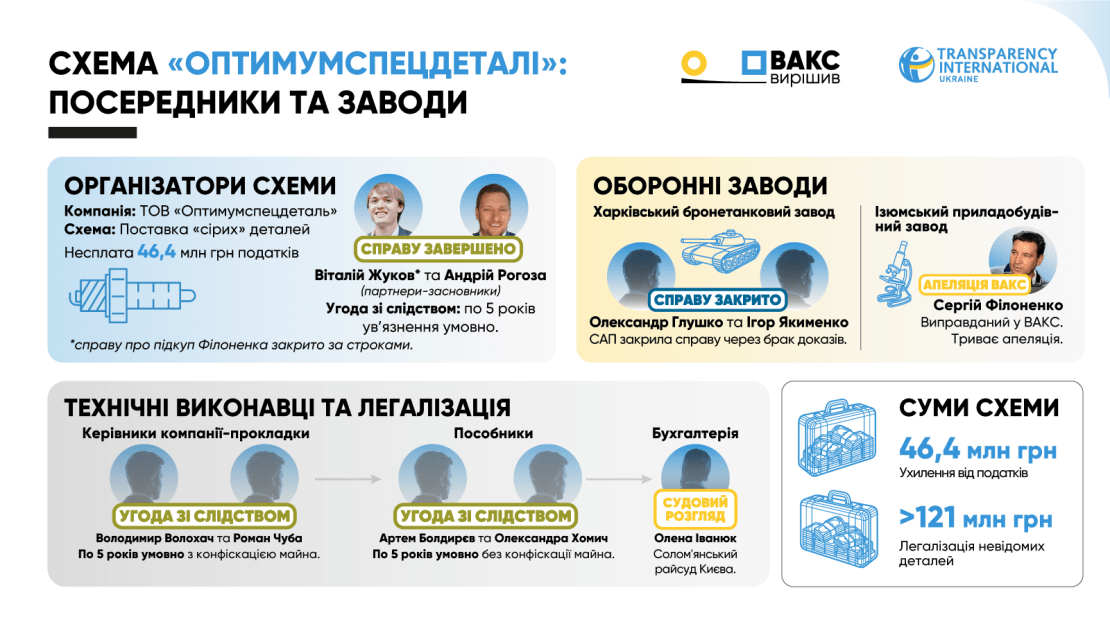
In September 2023, the Solomianskyi District Court of Kyiv approved plea agreements with Andrii Rohoza and Vitalii Zhukov. They had built a scheme to supply components for military equipment to Ukroboronprom enterprises. Spare parts of unknown origin were bought for cash off the books and, through the controlled company Optymumspetsdetal, sold to the plants at inflated prices. To legitimize the origin of the goods, they enlisted more than 30 shell companies for sham transactions — and in this way the company evaded UAH 46.4 million in taxes. Funds received from the state enterprises were transferred to the accounts of front companies, converted into cash, and split among the participants in the scheme.
The court sentenced both to five years' imprisonment with confiscation of property, but released them from actually serving the sentence, subject to a one-year probationary period.
Zhukov was also accused of attempting to bribe the director of the Izium Instrument-Making Plant, Serhii Filonenko, but the HACC closed that case because the statute of limitations had expired.
Notably, the court initially refused to approve these agreements. In Zhukov's case, because — as the court stressed — the law prohibits agreements with the organizers of especially grave crimes, and the proposed compensation of only UAH 4 million out of UAH 46 million, combined with a waiver of confiscation of property, was disproportionate to the harm caused. The court described the terms of the agreement as running counter to the interests of society, given the cynicism of embezzlement in the defense sector during wartime. In Rohoza's case, the court refused the agreement because of a violation of the Criminal Code: the procedure for imposing the sentence had been determined incorrectly, and a suspended sentence had been unlawfully combined with confiscation of property.
The Filonenko episode: director of the Izium Instrument-Making Plant
In August 2024, the HACC acquitted the director of the Izium defense plant, Serhii Filonenko, in a case concerning the receipt of more than UAH 2 million in bribes. According to the investigation, between September 2016 and January 2017 he received more than UAH 2.44 million from Optymumspetsdetal LLC in exchange for ensuring payment for goods that were delivered incompletely or with defects concealed behind fictitious invoices.
But the court found Filonenko not guilty because of the absence of direct evidence that a bribe had changed hands (video recordings, marked banknotes, and the like). The prosecution's principal evidence — WhatsApp correspondence — was ruled inadmissible, since it had been obtained not through investigative actions but from journalists.
The court emphasized that the materials from journalistic investigations are “advisory” rather than “evidentiary” in nature. Meanwhile, the storage drives containing copies of the defendants' phones (Seagate and Kingston), created back in 2016–2017 by the Main Military Prosecutor's Office, showed discrepancies when NABU re-examined them: the data on them turned out to be partly lost and partly bearing signs of having been overwritten by software that did not yet exist when the phones were seized. This gave grounds to speak of possible tampering with the evidence.
The court also cast doubt on the testimony of Zhukov and Rohoza — it could have been driven by their obligation to “incriminate others” in order to fulfill the terms of their agreements. Rohoza's testimony the court found inadmissible altogether, since he had obtained all of his information from Zhukov.
One of the judges disagreed with the verdict and set out a dissenting opinion. In her view, the body of evidence did confirm Filonenko's guilt, and the scheme participants' correspondence about “500 kg of gray candy” and “14,700 kg of green nuts” was a code for concealing settlements in hryvnias and US dollars — wording atypical of a legitimate business. She identified the key, and entirely lawful, piece of evidence as the flash drive with the journalists' investigation materials, which they had handed over to the investigation: unlike the compromised MMP drives, it shows no signs of data manipulation.
This verdict is currently under review by the HACC Appeals Chamber.
What about the other defendants?
Most of the less prominent figures agreed to cooperate with the investigation. Former Optymumspetsdetal LLC directors Volodymyr Volokhach and Roman Chuba arranged the legalization of spare parts of unknown origin for the armored plants — through fictitious transactions worth more than UAH 121 million, the company evaded UAH 46.4 million in taxes. The Solomianskyi District Court of Kyiv approved their agreements in exchange for incriminating testimony against the other members of the group, sentencing both to five years' imprisonment with a one-year probationary period, a three-year ban on holding certain positions, and confiscation of property.
The technical work of legalizing the shadow flows was handled by Artem Boldyriev, Oleksandra Khomych, and, apparently, accountant Olena Ivaniuk. As accomplices in laundering more than UAH 46.4 million, Boldyriev and Khomych entered into agreements — five years each, suspended, without confiscation of property. Ivaniuk, who features in the Rohoza–Zhukov case, still holds the status of defendant, and her proceedings are ongoing at the Solomianskyi District Court of Kyiv.
A separate episode concerned the Kharkiv Armored Plant: former director Oleksandr Hlushko and chief engineer Ihor Yakymenko were suspected of facilitating the legalization of questionable parts through a fictitious delivery of 12 rangefinders from Optymumspetsdetal. But the SAPO closed the proceedings — the evidence proved insufficient for court, and the means of gathering it anew had already been exhausted.
The Hladkovskyis versus the journalists: the courts have the final word
Beyond the criminal cases, Oleh Hladkovskyi tried to challenge the Bihus.Info investigation through civil proceedings. In August 2020 — already past the limitation period for filing suit — he petitioned the court to declare the information in the report Army. Friends. Cash false and to award him UAH 2 million in moral damages. The case was heard for more than three years: in 2023, the Vinnytsia City Court partly granted Hladkovskyi's demand for a retraction of the information, but the appellate court overturned that decision.
The Supreme Court had the final say, dismissing Hladkovskyi Sr.'s cassation appeal on March 14, 2024. The court stressed that, as a Deputy Secretary of the NSDC, Hladkovskyi was a public figure, and the subject of possible embezzlement in the defense sector was a matter of public interest — so the information disseminated by the journalists constituted value judgments and was not subject to retraction.
Ihor Hladkovskyi filed a similar suit against the journalists — and likewise lost it, both on appeal and in the Supreme Court.
Seven years on: what we know
Seven years after the Bihus.Info investigation, the situation in the Optymumspetsdetal case remains ambiguous.
So what larger problems have this case brought to light?
- The length of proceedings. Rank-and-file participants in the scheme struck agreements with the investigation and received suspended sentences, while the proceedings against the key figures have dragged on for years.
- Defendants fleeing. Both Hladkovskyis — father and son — left Ukraine at a critical moment in the proceedings, avoiding participation in the trial. Hladkovskyi Sr. was apprehended only after six years, in Spain, yet his extradition is still in question.
- The weakness of the evidentiary base. In the Filonenko case, the acquittal rests not so much on a refutation of the facts as on procedural defects in the evidence gathered back in 2016–2017 by the Main Military Prosecutor's Office.
Taken together, these cases show how difficult it is to investigate and try corruption at the highest level: there is the defendants' hiding from the court and the investigation, the problems with the admissibility of evidence collected before NABU's involvement, and the statutes of limitations. As a result, the question of a verdict against the key organizers of the schemes remains open.
Prepared by the Transparency International Ukraine team
.png)

.png)
.png)

.jpg)
.png)
.png)
.jpg)

.jpg)
.png)
.png)
.png)
.png)
.png)