

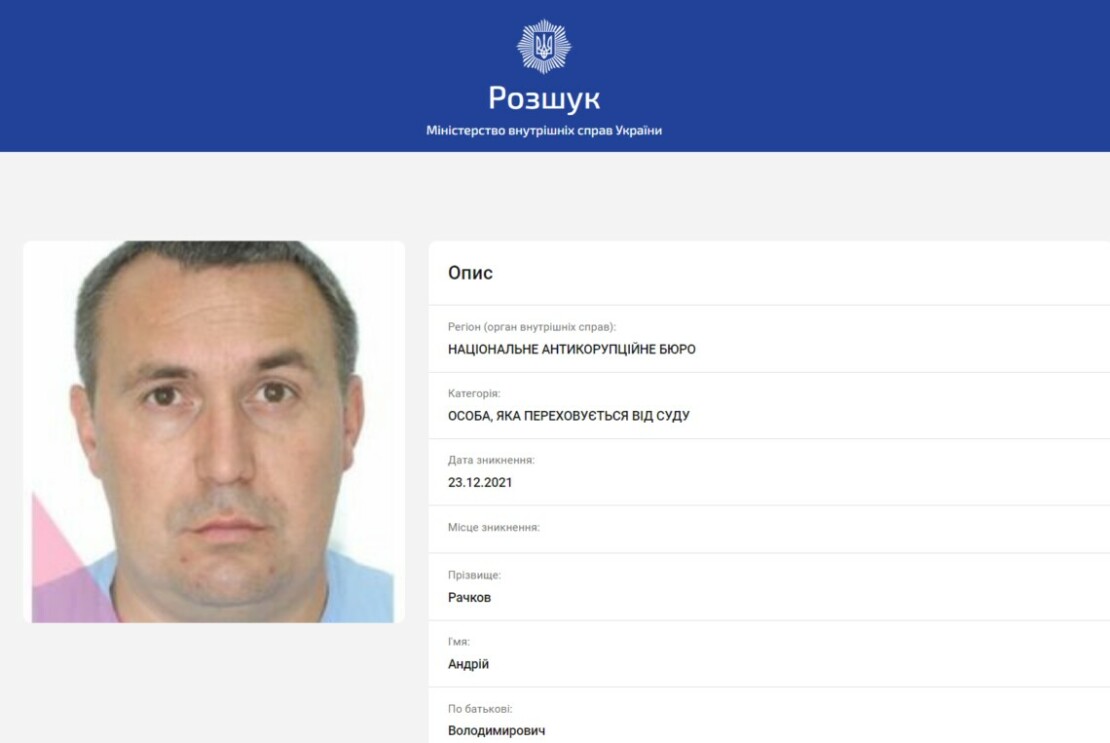
The HACC found Andrii Rachkov, former Deputy Director General of the Titanium Institute, guilty of embezzling funds of the Institute. He was sentenced in absentia to 10 years in prison. The HACC Appeals Chamber subsequently reduced the sentence to 9 years.
According to the investigation, in 2012–2013 Rachkov transferred USD 1.258 million as remuneration to the offshore company REMAX LTD for “agency services” related to organizing documentation. In fact, no services were provided or performed.
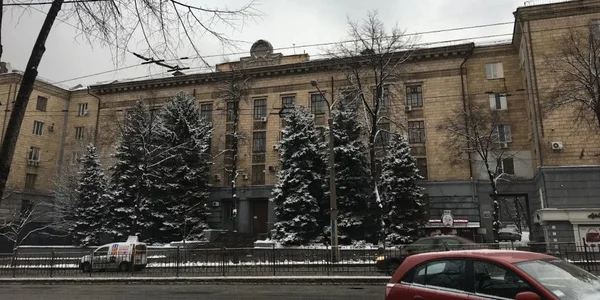
The State Scientific Research and Design Institute of Titanium is a strategic research-and-production institution owned by the state. In May 2011, Andrii Rachkov was appointed First Deputy Director General of the Titanium Institute.
The Titanium Institute entered into a USD 13.6 million contract with Solway Industries LTD to develop the detailed design for the reconstruction of a ferronickel production plant. Preparation of the contract took several years and was carried out without any intermediaries—exclusively by the Institute and the customer company.
Despite this, according to the investigation, Rachkov implemented a scheme to siphon the enterprise’s funds. He entered into an agency agreement with REMAX LTD, which formally was to provide intermediary and consulting services under the contract with Solway Industries. In reality, the company played no role in either concluding or performing the contract.
Despite the absence of any actual services, Rachkov signed an addendum to the agency agreement providing for payment to REMAX LTD in the amount of USD 2.04 million—up to 15% of the value of the principal contract. He then prepared a series of acceptance certificates for “completed works” that were not in fact performed and submitted these documents to the finance department for payment.
During 2013, USD 1.258 million was transferred to REMAX LTD’s accounts, which at the National Bank of Ukraine exchange rate amounted to more than UAH 10 million. The funds were subsequently routed to accounts belonging to third parties. Employees of the enterprise’s finance department executed the payments without knowledge of the management’s criminal intent.
The court classified Rachkov’s actions under Article 191(5) of the Criminal Code of Ukraine and imposed a sentence of 10 years’ imprisonment, with confiscation of all property and disqualification from holding certain positions for three years. The court also granted a civil claim and ordered recovery of UAH 10 million from Rachkov in favor of the Titanium Institute.
The HACC Court of Appeal upheld the verdict. However, the Supreme Court ordered a renewed appellate review.
Following the renewed review, the HACC Appeals Chamber found that the original formulation of the charge mischaracterized the legal classification of the offense, because misappropriation of another’s property through abuse of office constitutes an offense regardless of whether the official acted for personal benefit or for the benefit of third parties. Accordingly, in the Appeals Chamber’s view, the defendant’s actions were to be classified under Article 191(5) of the Criminal Code of Ukraine, i.e., as misappropriation on an especially large scale. In other words, the judgment was amended specifically with respect to the legal classification. The court noted that more than two years had passed since the original judgment and that Rachkov had not committed any unlawful acts during that period. The Appeals Chamber therefore reduced the sentence from ten to nine years’ imprisonment.
The case was tried in absentia. In December 2021, Rachkov left Ukraine and did not return; in January of the following year, he was placed on the international wanted list.
In addition, HACC found Vladímir Mokson, an accomplice in this case, guilty and sentenced him to eight years’ imprisonment.

 06/09/2019


