

On June 1, 2023, the HACC convicted Ihor Buksanchuk, former head of the state-owned enterprise Radon, of bribing the head of the Chornobyl zone, Kateryna Pavlova, in exchange for the award of bonuses. He was sentenced to 5 years with confiscation of property. The appellate and cassation courts upheld the verdict.
In late February 2020, Ihor Buksanchuk, the General Director of the state specialized enterprise Radon, sent a letter to the State Agency of Ukraine on Exclusion Zone Management requesting that he be awarded bonuses. At that time, Kateryna Pavlova was acting head of the Agency.
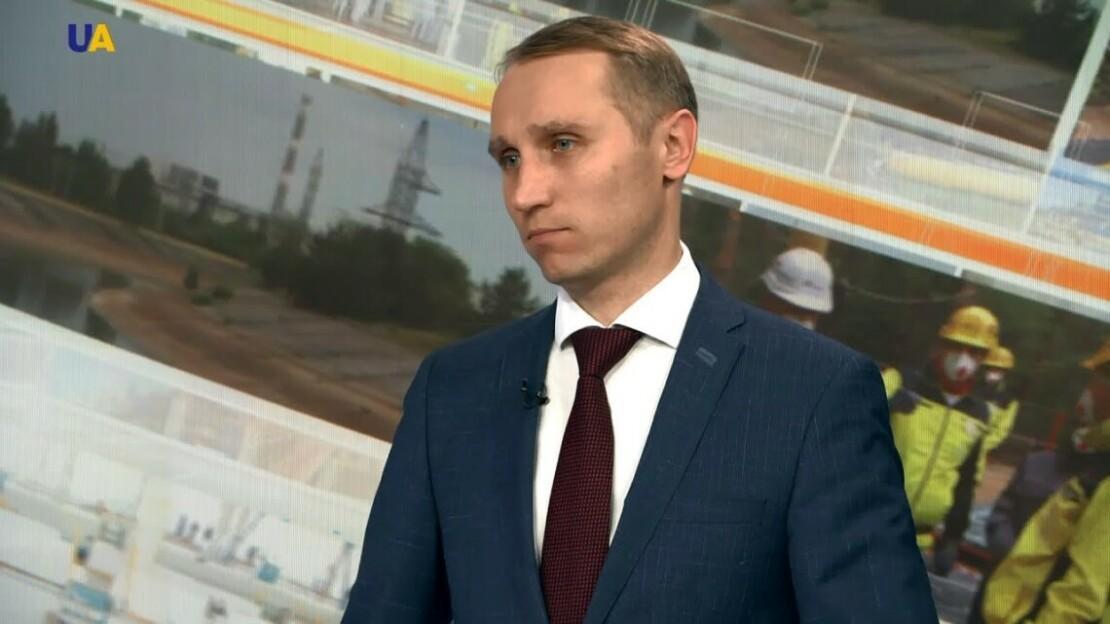
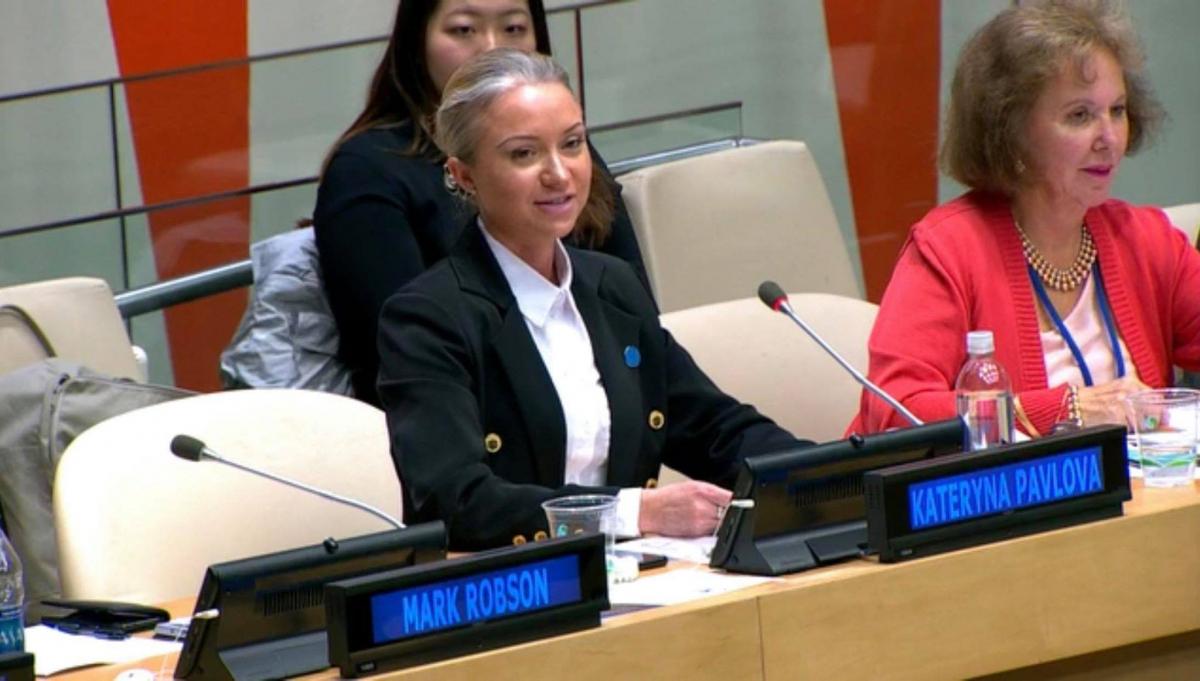
In the letter, Buksanchuk offered her a bribe in exchange for approving a 300% bonus for the 4th quarter of 2019 and a bonus for all of 2019 in the amount of 15 salaries. As a reward, he promised half of the total bonus amount. In the spring, Pavlova approved UAH 430,000 in bonuses for him and received a UAH 210,000 bribe.
Buksanchuk himself denied that he had given Pavlova a bribe and emphasized that the decision to award the bonus was made collectively by the relevant commission. Later, he tried to change the jurisdiction of the case. Buksanchuk believed that his position as a civil servant was not within category A, and that the criminal offense had not been committed against an official as defined by law.
Buksanchuk's actions were classified under Article 369(4) of the Criminal Code of Ukraine. He was sent to prison for 5 years with the confiscation of all his property, except for half of his apartment. The appellate court upheld Buksanchuk's verdict.
In March 2023, the Supreme Court refused to suspend the enforcement of the sentence against the official, and later partly agreed with the defense's appeals and ordered a new hearing in the HACC Appeals Chamber. The grounds were that the courts of the previous instances had not given the defense a proper opportunity to test the entrapment claim and had not granted temporary access to Security Service of Ukraine documents and related proceedings, since Buksanchuk's defense had consistently maintained that Kateryna Pavlova had provoked him into a conversation about a bribe under the control of NABU detectives.
After a lengthy retrial, in March 2025 the appellate court once again upheld the verdict of the court of first instance. The HACC Appeals Chamber carried out all of the Supreme Court's instructions on examining the entrapment claim, but the new evidence only confirmed Buksanchuk's guilt and proved that there had been no entrapment — he had acted on his own initiative and knowingly offered Pavlova a bribe.
The defense again challenged this decision in cassation, but this time the Criminal Cassation Court of the Supreme Court agreed with the decisions of the courts of first and appellate instance and upheld the verdict and the ruling, dismissing the defense's appeals.