

.png)


On September 14, 2026, the HACC granted the motion filed by Yurii Pertsev's defense and closed the criminal proceedings against him due to the expiry of the limitation period for criminal liability.
Pertsev's defense attorney stated that, in her opinion, the prosecution had failed to prove Pertsev's guilt. Since the limitation period in the case expired on July 31, 2026, she and her client decided to file a motion to release Pertsev from criminal liability.
Pertsev's defense also requested the return of property seized in 2017, namely an apartment, a car, cash, and a mobile phone.
The UMCC case began as one of the flagship proceedings of the NABU and the SAPO, both newly established at the time. It featured high-profile detentions, losses running into hundreds of millions of hryvnias, and the status of a model top-level case. However, years of litigation in general courts, lengthy consideration at the HACC, and endless procedural pauses led the case not to a verdict on the merits but to the very brink of closure due to the expiry of the limitation period. How did one of the most high-profile proceedings in the titanium industry dissolve over time, and what actually prevented it from being brought to a conclusion?
The alleged crime in brief: a scheme to siphon off profits through fictitious traders
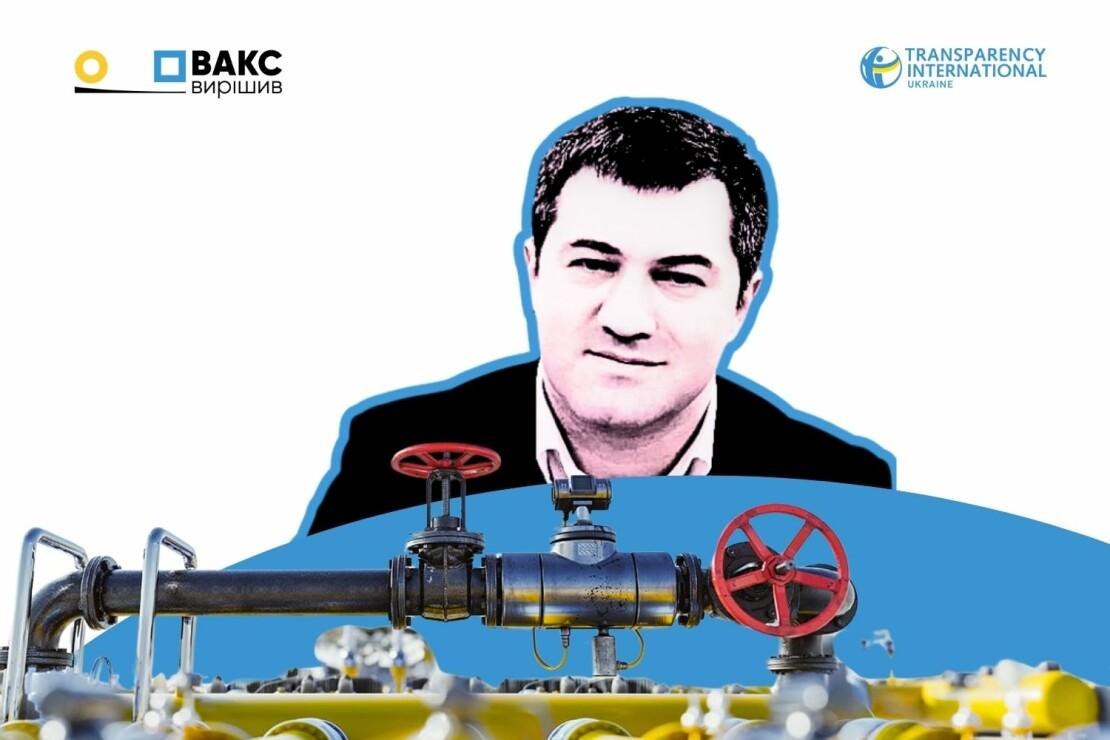
In 2014, two strategic titanium giants, Vilnohirsk Mining and Metallurgical Plant and Irshansk Mining and Processing Plant, were leased for many years by entities linked to Dmytro Firtash. That year they came under the control of the newly established state-owned United Mining and Chemical Company JSC (UMCC). However, instead of selling directly and replenishing the budget, the company's new management recreated the old scheme of profiting from intermediaries, changing only the jurisdictions.
According to the investigation, UMCC's top management artificially blocked direct contracts with foreign buyers of titanium raw materials (ilmenite, rutile, and zircon). Instead, the products were shipped at understated prices to controlled European shell companies: Bollwerk in Austria and Adelis Trade LLP in the United Kingdom. The intermediaries then resold them to end buyers worldwide at market value and kept the entire margin in foreign accounts.
The scheme rested on several key elements:
- Fictitious intermediaries. The companies had no staff, no logistics experience, and no real offices. UMCC employees themselves handled negotiations with buyers, logistics, and customs clearance. Some contracts and supplementary agreements were signed by “dead souls”: foreign nominees who had never even crossed the Ukrainian border.
- Artificial obstacles. Intermediaries were imposed on foreign counterparties on the pretext of Ukraine's supposedly “complex currency regulation” and “war risks.”
- Possible money laundering. The price difference accumulated in Austria and the United Kingdom. It was then channeled through Latvian banks to the offshore accounts of companies controlled by UMCC officials.
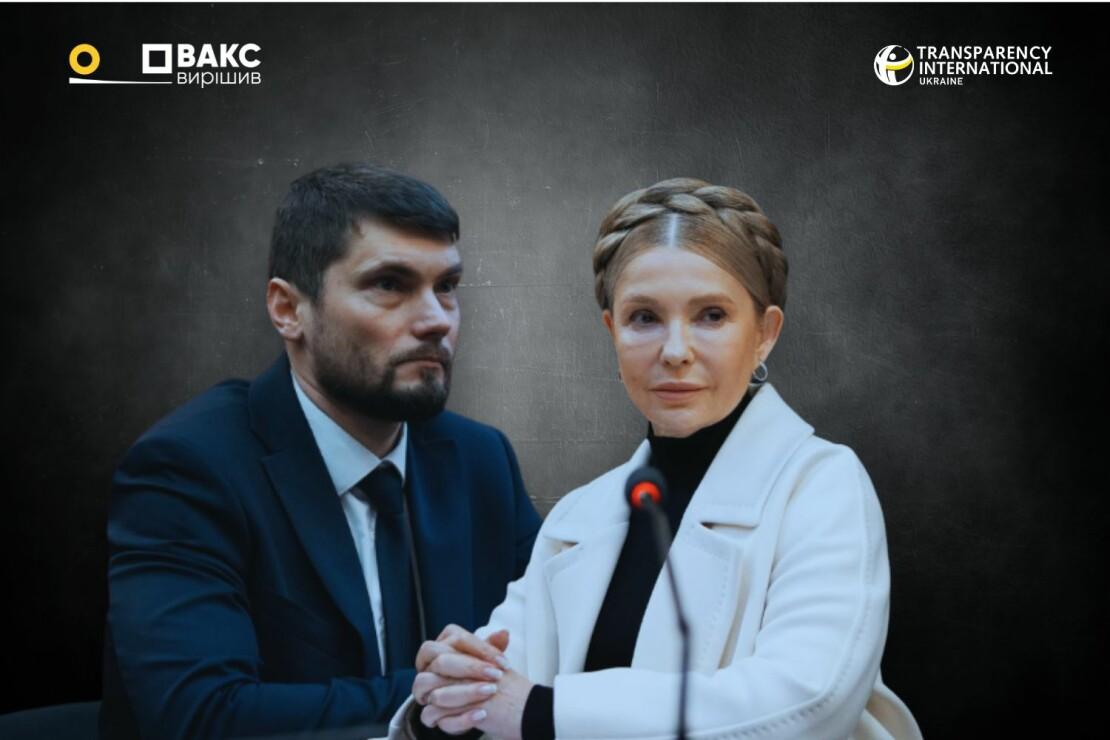
From December 2014 to April 2016, the state failed to receive $12.87 million across more than 1,500 separate deliveries. Two key officials were charged with abuse of power resulting in grave consequences (Article 364(2) of the Criminal Code): former UMCC head Ruslan Zhurylo and his deputy Yurii Pertsev.
How long the investigation took and where the case files were
NABU detectives launched the investigation into these facts in January 2016. In January 2017, two individuals were served with notices of suspicion of committing this criminal offense: the acting chairman of the board of United Mining and Chemical Company PJSC and a former deputy director of UMCC SE.
On January 15, 2018, SAPO prosecutors disclosed the pretrial investigation files to the defense. The files concerned the suspicion against Ruslan Zhurylo, former chairman of the board of United Mining and Chemical Company, and Yurii Pertsev, the company's former deputy general director for commercial affairs.
On July 23, 2018, the SAPO and the NABU sent the indictment to court.
It is worth noting that the HACC had not yet been established when the indictment was sent to court. Under the jurisdiction rules at the time, the UMCC case was referred to the Solomianskyi District Court of Kyiv.
More than a year later, on September 9, 2019, the Solomianskyi District Court issued a ruling transferring the UMCC case files to the HACC. The files reached the new court on September 27, 2019.
Consideration at the HACC
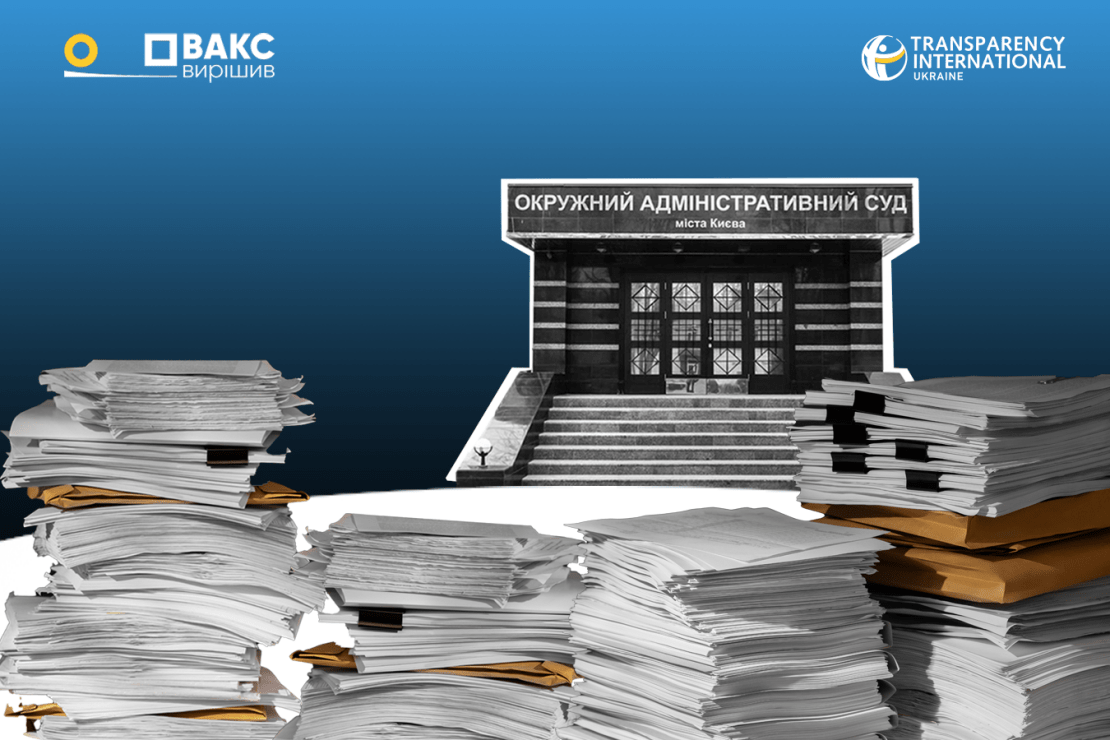
The UMCC case went through a long consideration process at the High Anti-Corruption Court.
On September 30, 2019, the HACC scheduled the first preparatory hearing for October 25, 2019.
At that first preparatory hearing on October 25, several issues were resolved:
- the motion of a prosecutor from the prosecution team to suspend the acting chairman of the board of UMCC JSC from office was granted;
- the preparatory hearing in the criminal proceedings was adjourned until November 8, 2019.
On November 8, 2019, the HACC decided to conclude the preparatory proceedings and schedule the case for consideration on the merits.
On September 13, 2023, the HACC granted the motion of Zhurylo's defense attorneys and suspended the criminal proceedings against him due to the expiry of the limitation period.
Who is Ruslan Zhurylo?
Ruslan Zhurylo is a Ukrainian public-sector top manager. He is known as the former deputy general director of the uranium-mining Eastern Mining and Processing Plant SE (2008–2012). He is also the former general director of United Mining and Chemical Company SE (UMCC), which manages strategic titanium plants. Journalists and law enforcement linked his activities to the influence of former MP Mykola Martynenko.
Zhurylo's career was marked by numerous corruption scandals over the systematic channeling of state funds to “friendly” entities and his own. In 2010, for example, the state-owned Eastern Mining and Processing Plant under his management lost a uranium tender to Technomash, a private company owned by Zhurylo himself. The company then resold the plant its own equipment at a markup of UAH 1.5 million. The official stood trial at the time but was later amnestied.
After taking the helm of UMCC, Zhurylo continued this practice. In just one year, companies from his circle received state contracts worth over UAH 1 billion; these included fictitious intermediaries such as Imex Minerals. Titanium ore exports were also routed through the Austrian shell company Bollwerk.
Where is Yurii Pertsev now?
Yurii Pertsev is the former head of commercial operations at UMCC and a key business partner of Ruslan Zhurylo. Together they built a scheme to siphon funds out of the state mining and chemical sector through a network of controlled offshore companies, including the Austrian Bollwerk. According to anti-corruption investigations, UMCC's offices served as the de facto “back office” for managing these entities. The state enterprise sold its products at understated prices and incurred losses of more than $38 million from the non-repatriation of foreign currency proceeds alone.
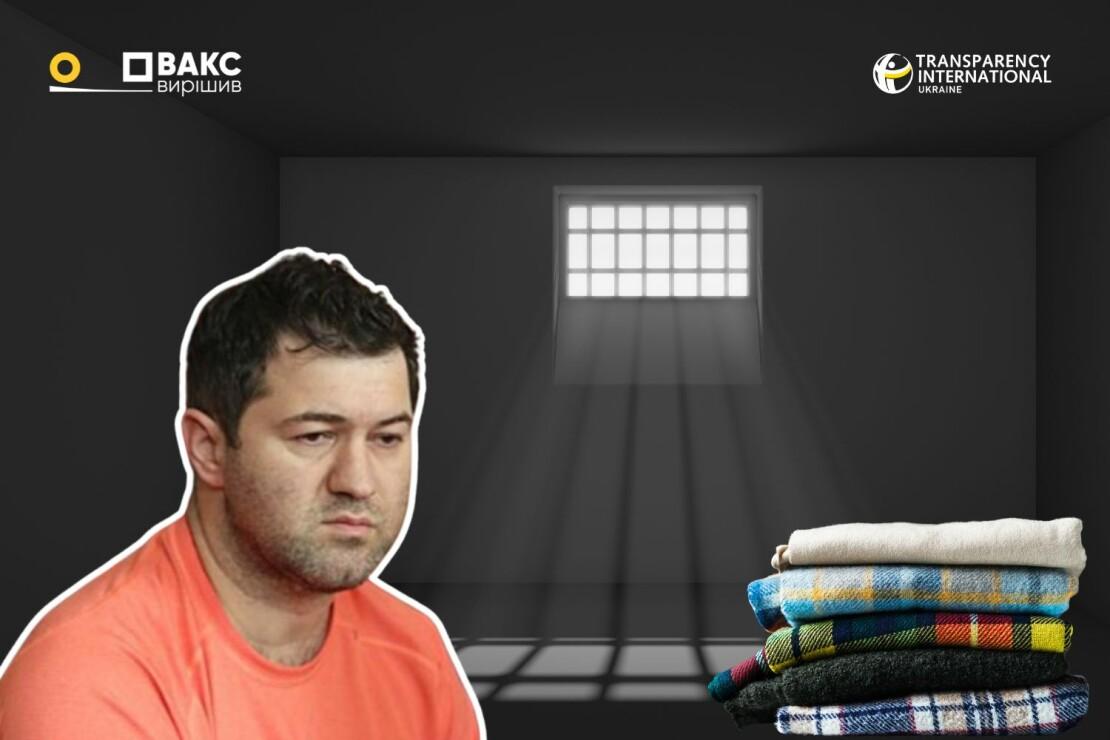
Pertsev is the second defendant in the UMCC case. However, the defense has dragged out the trial at the HACC for years through repeated failures to appear and motions to recuse judges and prosecutors.
We at Transparency International Ukraine have closely followed the course of this case. For example, more than 10 hearings between February and July were postponed or adjourned at the initiative of the defense. The reasons varied: Pertsev's business trips, flights, and participation in various international events, which he justified as “work-related.”
At the hearing on September 9, 2026, Yurii Pertsev said via videoconference that he was in Warsaw.
Throughout this time, the examination of evidence in the case continued.
The trial was cut short at the stage of examining the defense's evidence and commenting on it.
What does the closure of the UMCC case mean?
The closure of the proceedings against the key individuals in the case due to the expiry of the limitation period is not an acquittal, but it is a procedural end point.
What is important to understand:
- Closure under Article 49 of the Criminal Code is not an acquittal. It means the court has not ruled on whether the individual in the case is guilty. Because the 10-year limitation period has expired, however, they are released from criminal liability and actual punishment.
- The UMCC case has become a vivid illustration of how the defense can effectively “wait out” the limitation period through procedural pauses, motions, and postponed hearings. This further highlights the need to address the problem at the legislative level, in particular by refining draft law No. 15354 and then adopting it. More details about this draft law are available in our article.
Prepared by the Transparency International Ukraine team
.jpg)

.png)
.png)

.jpg)


.png)
.png)
.jpg)



.jpg)

.png)

.png)

.png)