
.png)


On August 19, the NABU and the SAPO announced that notices of suspicion had been served to members of a criminal organization whose purpose, according to investigators, was to carry out corporate raiding involving companies and real estate worth hundreds of millions of hryvnias, interfere with information systems, and forge documents.
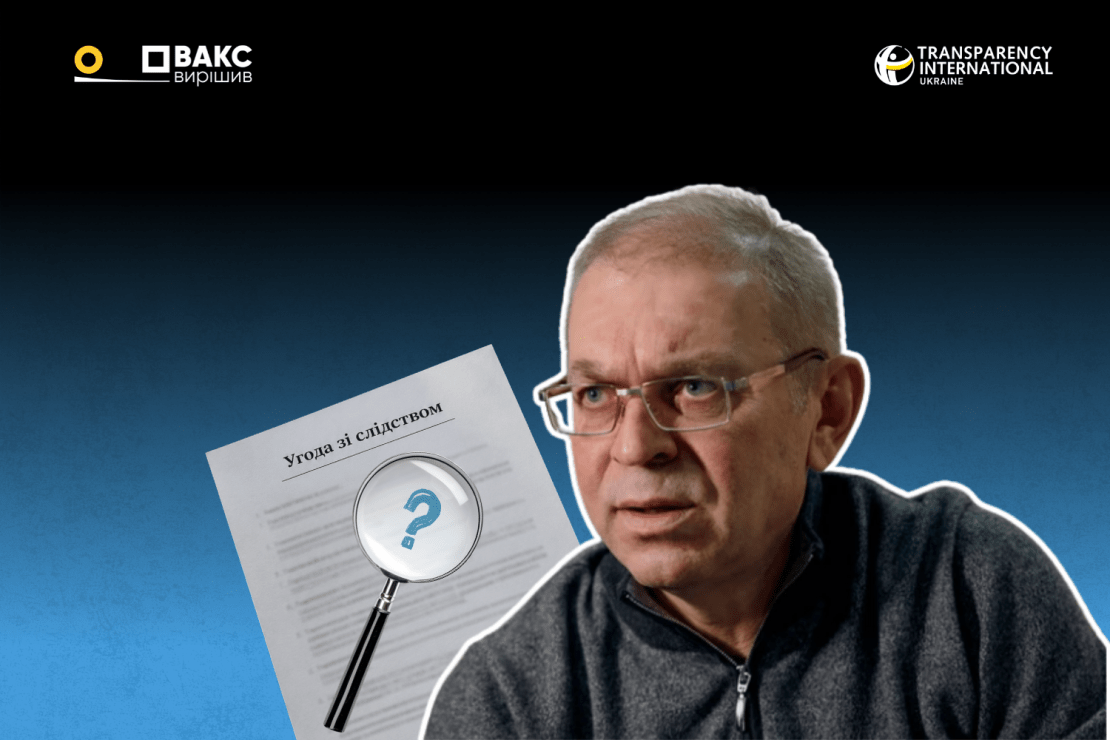
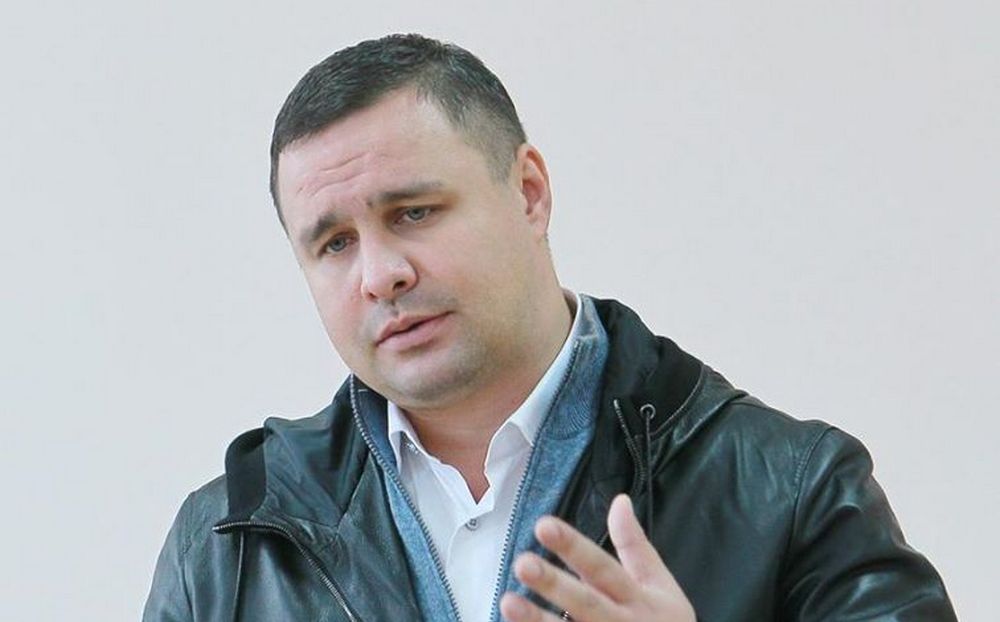
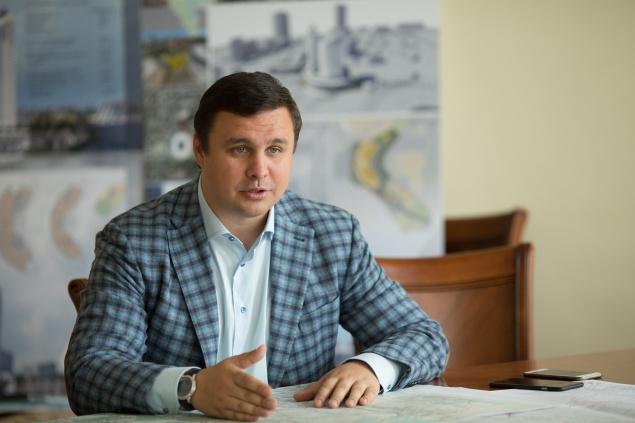
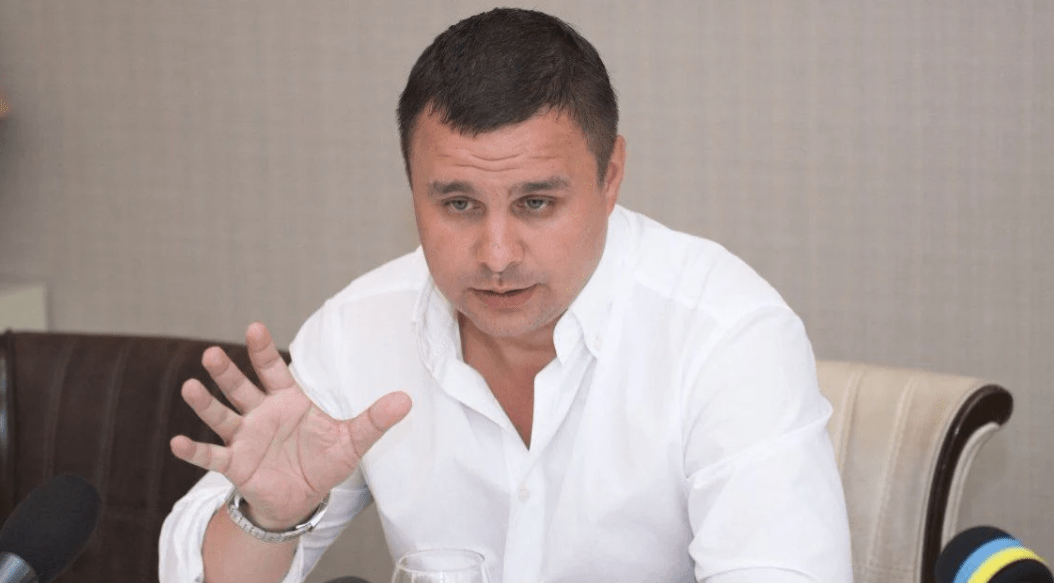
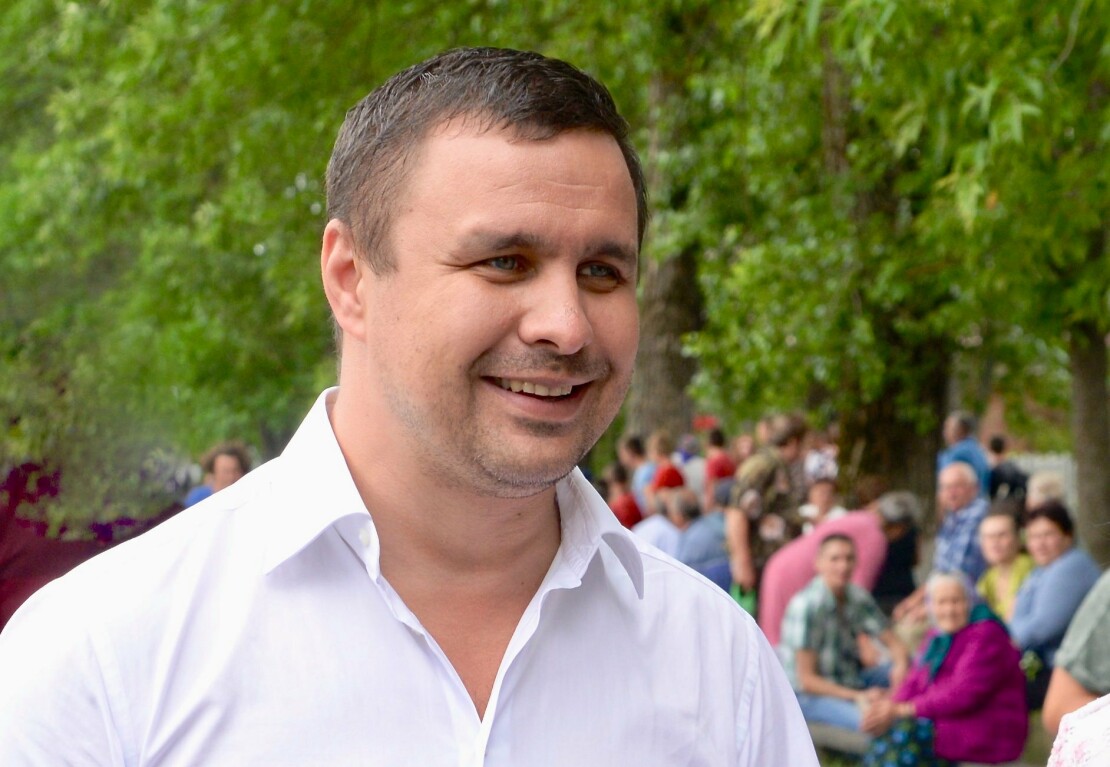
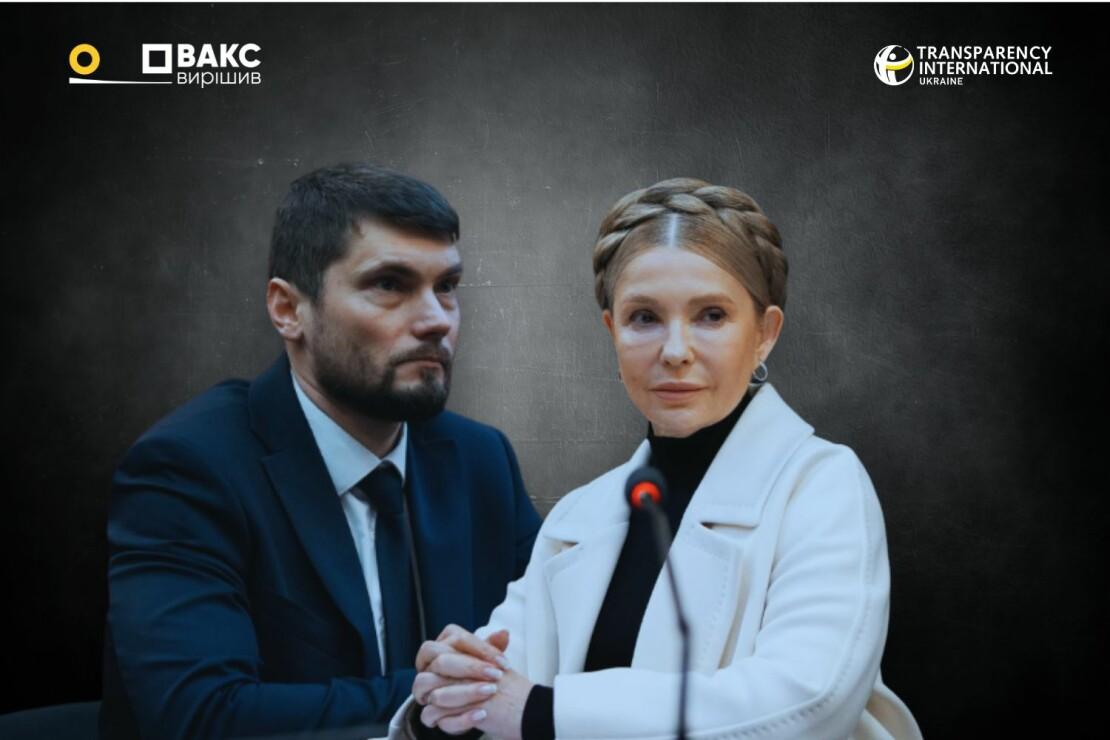
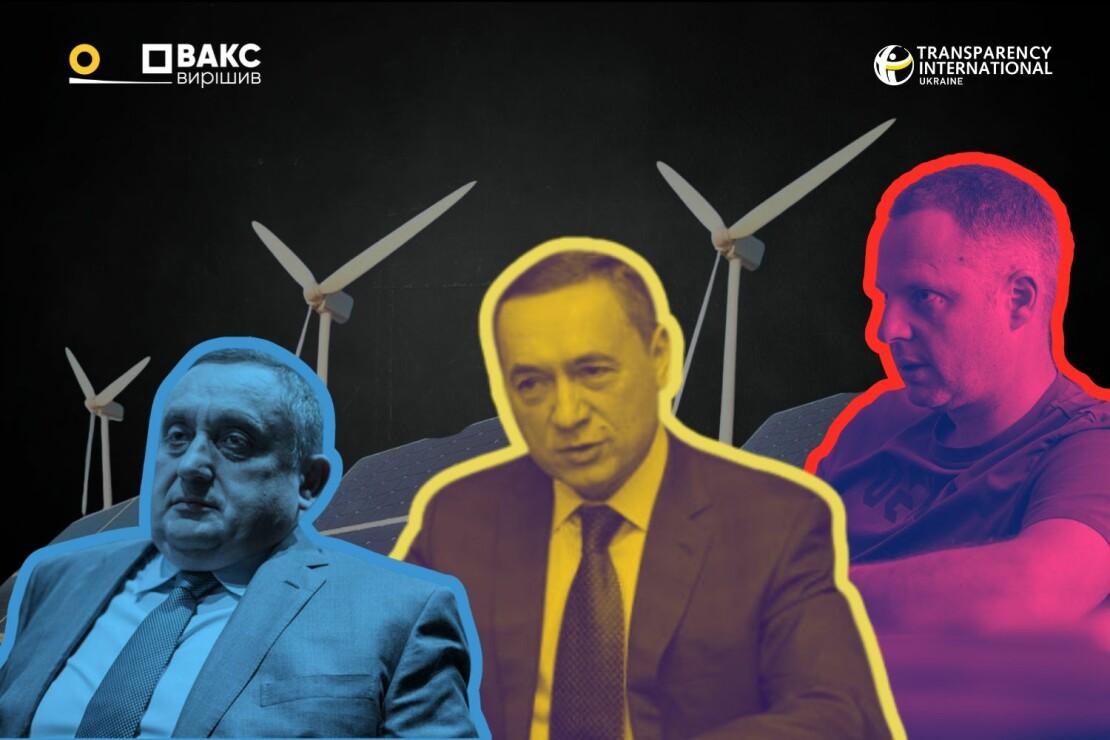
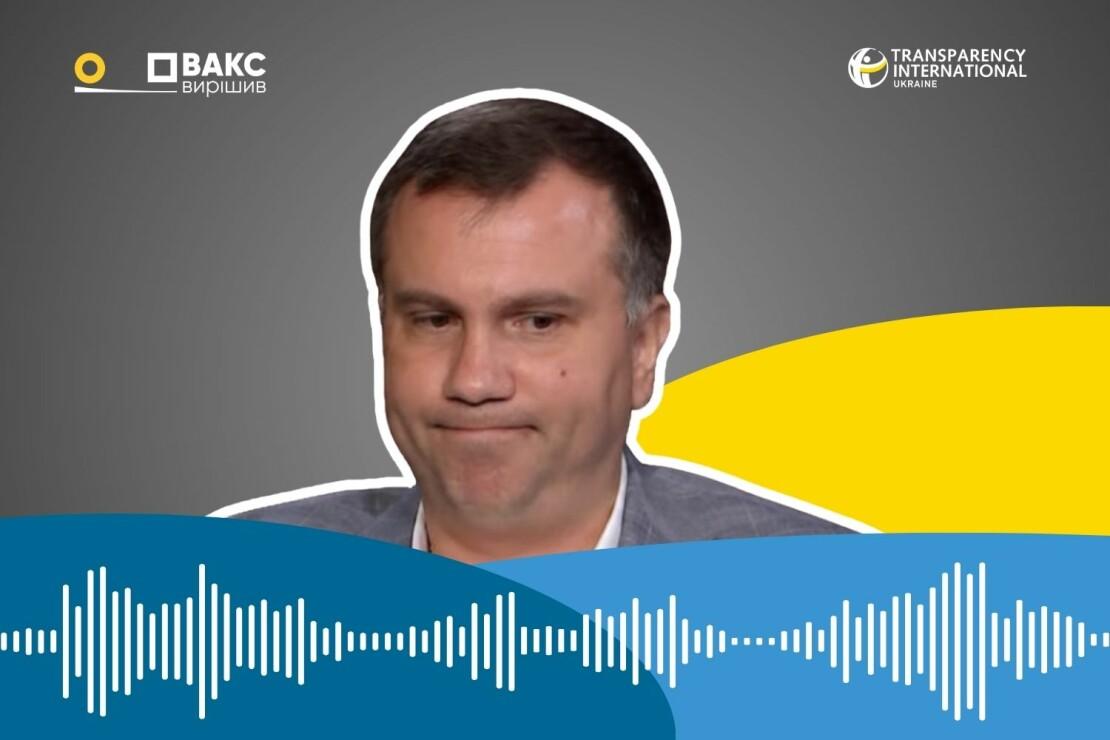
The key person in this investigation turned out to be former Member of Parliament and former head of Ukrbud Maksym Mykytas. According to SAPO prosecutors, it was Mykytas, together with current Member of Parliament Vadym Stolar, who had established this criminal organization no later than mid-November 2024.
.png)
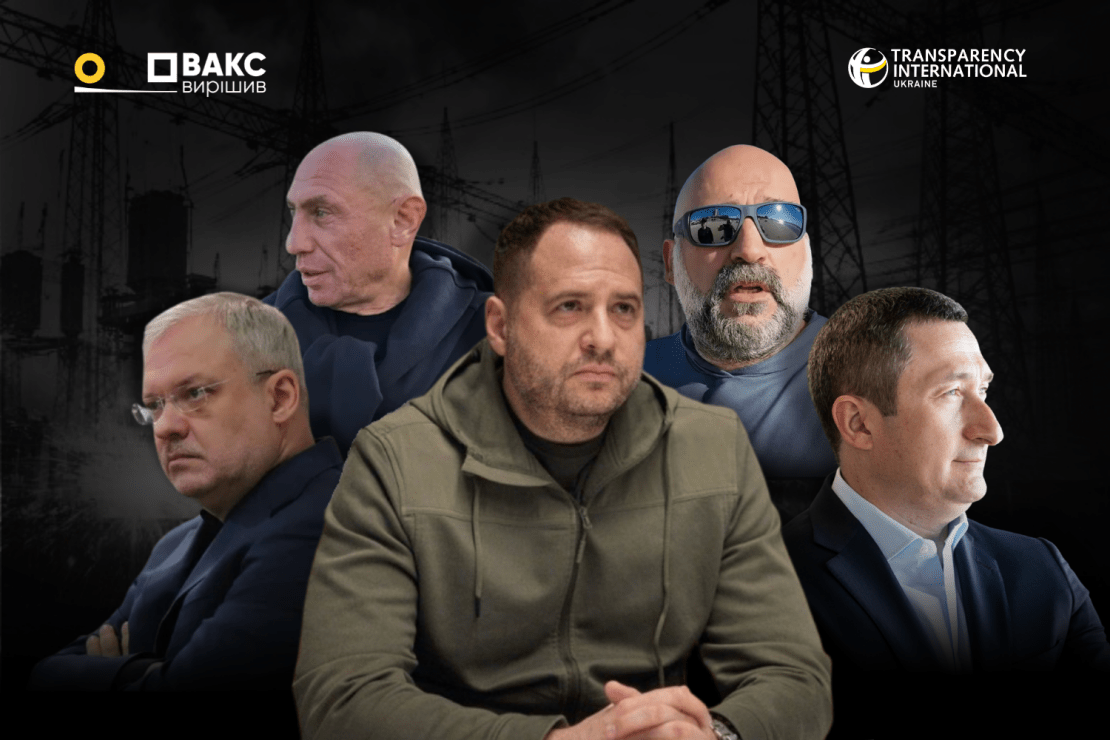
According to the investigation, the scheme involved an entire network of officials and accomplices, including:
- Iryna Mudra, deputy head of the Office of the President, who influenced the work of the Ministry of Justice’s Anti-Raiding Commission.
- Viktor Dubovyk, Director General of the Directorate for Legal Policy at the Office of the President, who advised on actions within the Anti-Raiding Commission.
- Vasyl Astion, a former member of the Dnipropetrovsk Regional Council, who was responsible for securing the necessary court rulings.
- Valentyn Yelizarov, the de facto head of Metrobud, who coordinated the criminal organization’s operational activities, managed the front directors, and oversaw the legalization of funds.
According to law enforcement, in the fall of 2025, members of the organization illegally seized assets worth over UAH 248 million; in May 2026, they attempted to seize real estate in Kyiv worth another UAH 207 million; and they also laid claim to assets in central Kyiv valued at over UAH 500 million. In addition, the suspects are accused of attempting to legalize funds to pay bail for former Minister of Energy and Justice Herman Halushchenko, with the involvement of representatives of Sense Bank.
In the published intercepts, the alleged participants in the scheme are heard complaining that it is “impossible to strike a deal” with the NABU and the SAPO, and stating: “If NABU gets you, there will be no options left.”
From Top Developer to Defendant in Numerous Criminal Cases
The Themis special operation is just another episode in the long list of criminal proceedings involving Maksym Mykytas. He began his career in 2002 as an economist at PJSC Pivdenteploenerhomontazh, after which, from 2004 to 2010, he held executive positions in the construction sector, rising from deputy chairman of the board at BMU Kyiv CHPP-6 to CEO of Construction Company Ukrbudmontazh and Kyivsotsbud. From 2010 to 2016, he headed the state-owned corporation Ukrbud. It was around this brand that a network of private companies formed, whose activities under state contracts became the subject of numerous investigations.
Mykytas’s business was closely tied to state contracts, particularly in the infrastructure and defense sectors. These contracts later became the subject of criminal investigations.
In 2016, Mykytas became a member of the Ukrainian Parliament, but even after receiving his seat, he remained an influential figure in the construction business. Companies associated with him continued to carry out large-scale state and commercial projects.
In the fall of 2019, Mykytas was served with a notice of suspicion in a case involving the illegal exchange of apartments intended for the National Guard. This marked the beginning of a series of criminal proceedings. In the following years, the NABU served him with new notices of suspicion regarding possible embezzlement of public funds and attempts to bribe an expert and public officials. Some of the proceedings were also investigated by the State Bureau of Investigation (SBI) and the National Police.
Over the years, Mykytas repeatedly had his preventive measures changed — from pre-trial detention to multimillion-hryvnia bail and house arrest — and appealed court decisions; some bail amounts were recovered into the national budget due to violations of his obligations. There was also an instance when he was removed from a flight to London, after which he was once again fitted with an electronic ankle monitor.
Today, some proceedings against Mykytas are pending before the HFCC, others have not reached trial, and some have been closed without a substantive assessment of the evidence due to procedural decisions or the expiration of limitation periods.
Thus, the history of the criminal prosecution of Maksym Mykytas is notable not only for the number of suspicion notices but also for the different procedural outcomes of each proceeding.
Track Record: Other Cases Involving Mykytas
In addition to the new case involving an alleged criminal organization and corporate raiding, the former lawmaker’s track record includes a whole series of other proceedings:
The National Guard Apartment Case: The Oldest Proceeding Against Mykytas
It was this case that marked the beginning of the NABU’s criminal prosecution of Maksym Mykytas in October 2019. It is currently pending before the HACC.
According to investigators, during the implementation of a housing project in the Pechersk neighborhood, the terms of the investment agreement with the National Guard were altered so that, instead of apartments in central Kyiv, military personnel received housing on the outskirts of the city. According to the expert report, this caused the state UAH 81.6 million in losses.
Along with Mykytas, the case also names as defendants former National Guard Commander Yurii Allerov, his then-adviser, the former deputy head of a department at the Main Housing and Maintenance Directorate of the Armed Forces of Ukraine, and Ukrbud officials. This proceeding was registered following an investigation by journalists from the Nashi Hroshi project. It was from this investigation that the so-called “Tatarov case” was later separated; more on the case can be found below.
Although the indictment was submitted to the HACC as early as November 2021, the case remains unresolved. During this time, the panel of judges changed twice, so after the most recent replacement, the proceedings had to start over. Witnesses are currently being questioned in the case.
Construction of Warehouses for the Ministry of Defense: Over UAH 307 Million in Advance Payments
In October 2023, the NABU served Maksym Mykytas with another notice of suspicion — this time in a case involving the construction of secure warehouses for storing Ukrainian Armed Forces ammunition.
According to the investigation, companies linked to Mykytas received over UAH 307 million in advance payments from the Ministry of Defense after changes were made to government regulations governing construction funding. The warehouses were never built, and the funds received, according to the prosecution, were siphoned off through controlled companies.
Unlike the “apartment case,” this proceeding has only recently moved to the trial stage. Currently, the HACC is examining the evidence presented by both sides, so a verdict is still a long way off.
Bribe for a Metro Extension Contract
In October 2022, NABU and SAPO served Maksym Mykytas with a suspicion notice of offering a bribe to Dnipro Mayor Borys Filatov. According to investigators, Mykytas offered the mayor 10% of the contract amount for the completion of the Dnipro metro — approximately EUR 22 million. In return, Filatov was to facilitate the signing of a contract with companies controlled by Mykytas without holding a new international tender. The project was financed with an EBRD loan.
The case involved the offer of an undue benefit, rather than its actual transfer. After his first conversation with Mykytas, Filatov contacted the NABU and agreed to cooperate confidentially. Subsequent meetings and negotiations took place under the supervision of law enforcement officials and were recorded during covert investigative actions.
Prosecutors cited audio and video recordings of the meetings, as well as Filatov’s testimony. According to the prosecution, Mykytas explained the mechanism for securing the contract and transferring the payment. The defense insisted that the discussions concerned the project’s implementation plan rather than a bribe, questioned the admissibility of certain pieces of evidence, and pointed to possible entrapment. Mykytas denies the charges and claims that his meetings with Filatov concerned only possible models for organizing the metro construction. Prosecutors, however, believe the evidence confirms an offer of a bribe in exchange for the mayor’s abuse of his official position.
The prosecution requested that Mykytas be found guilty under Article 369, part 4 of the Criminal Code of Ukraine, while the defense requested his acquittal.
The trial is currently in the closing arguments phase. Both the prosecution and the defense have already concluded their arguments. The only person left to be heard in the closing arguments is the defendant; after that, the court will proceed to his final statement and then retire to the deliberation room to render a verdict. The last hearing in this case took place back in April, after which it was postponed twice despite the scheduled dates.
Cases Involving Mykytas That Did Not Reach Trial
“Nuclear Bribes” and the Construction of a Storage Facility for Energoatom
In September 2020, the NABU served Maksym Mykytas with a notice of suspicion in the case of the construction of the Centralized Spent Nuclear Fuel Storage Facility for the state-owned enterprise NNEGC Energoatom.
According to investigators, Construction Company Ukrbudmontazh, which belonged to Mykytas’s wife, won the tender to build the facility, valued at over UAH 1 billion. Ihor Orlov, then deputy director general of a separate division of NNEGC Energoatom, according to the prosecution, received three apartments with a total value of nearly UAH 4.4 million in exchange for facilitating the company’s participation in procurement. In addition, the investigation found that the cost of certain works had been inflated by approximately UAH 26 million.
Investigations into the other defendants in the case have been completed, and the indictment has been submitted to court. However, this does not apply to Maksym Mykytas: the indictment against him has not yet been received by the HACC. Proceedings against one of the co-defendants — Yehor Smilyi, director of the financial company Zhytlo-Kapital — were suspended after he was mobilized into the Armed Forces of Ukraine.
Thus, unlike other anti-corruption proceedings involving Mykytas, this case has not yet reached the trial stage.
Closed Proceedings
The “Tatarov Case”: How a Separate Proceeding Was Dismissed Before It Reached Court
One of the most high-profile stories involving Maksym Mykytas was the so-called “Tatarov case,” which emerged as a separate episode from the National Guard “apartment case.” It concerned the alleged bribery of a forensic expert to reduce the amount of damages.
According to the NABU, after the main proceedings were opened, Mykytas sought to secure a new expert assessment that would significantly reduce the amount of damages to the state — from over UAH 81 million to about UAH 7 million. To this end, a bribe was arranged for Ministry of Internal Affairs expert Kostiantyn Dubonos. According to investigators, the intermediary in the transfer of the bribe was Oleh Tatarov, then a lawyer for Ukrbud and now deputy head of the Office of the President.
However, the case never made it to trial. The Office of the Prosecutor General replaced the team of prosecutors, transferred the case from the NABU to the Security Service of Ukraine, and changed content of the suspicion notice. As a result, the pre-trial investigation deadlines expired before the investigation was completed.
Other Criminal Cases
In addition to the cases investigated by the NABU and being heard, or scheduled to be heard, by the HACC, Maksym Mykytas was a defendant in several other criminal cases handled by other law enforcement agencies.
Hooliganism During the Election Campaign
In September 2019, the State Bureau of Investigation served Maksym Mykytas with a suspicion notice of hooliganism in connection with an incident that occurred during the election campaign at the Liubetsk Village Council in Chernihiv Oblast. According to investigators, the conflict resulted in the disruption of a working meeting, damage to a cell phone, and minor bodily injury to the community head.
The criminal case remained pending in the courts for over six years. Initially, a local court closed it due to the expiration of the statute of limitations; subsequently, an appellate court overturned that decision, noting that the statute of limitations had been interrupted after Mykytas was notified of new suspicion notices. After a retrial, the statute of limitations finally expired, and the case was ultimately closed without a verdict.
The Case of the Lawyer’s Abduction
In late 2020, the National Police served Maksym Mykytas with a suspicion notice of organizing the abduction of a lawyer who had previously provided him with legal assistance. According to the investigation, the victim was unlawfully detained and forced to sign a receipt for an alleged debt of USD 800,000.
Mykytas himself and his defense attorneys denied the charges and claimed that they were a means of exerting pressure on him amid the investigation into the “Tatarov case.” As of today, there is no public information regarding the transfer of this proceeding to court or its conclusion.
Despite the significant number of criminal cases, their procedural outcomes have varied. Some are already at the trial stage in the HACC, some have remained at the pre-trial investigation stage for years, and some have never reached court due to the expiration of statute of limitations or other procedural decisions.
Author: Oksana Kopiychuk, Legal Advisor at Transparency International Ukraine

.png)


.png)

.jpg)


.png)
.png)
.jpg)



.jpg)

.png)


.png)
.png)