

First published by ZN.UA
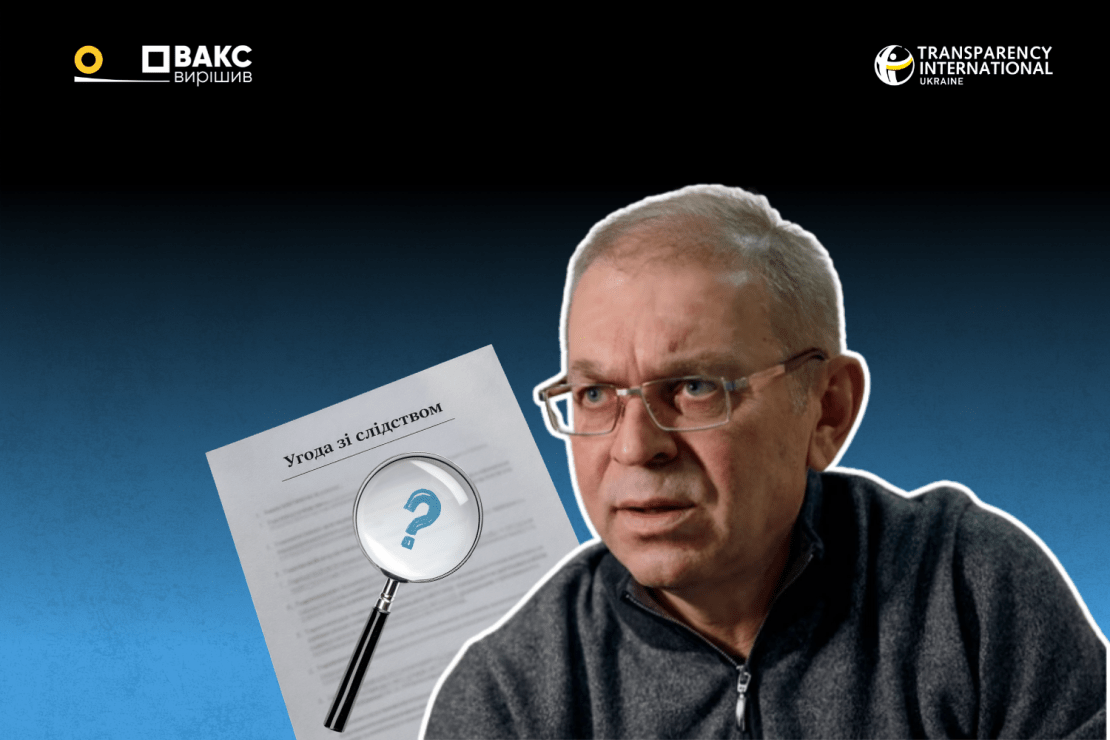
After the plea agreement with Serhii Pashynskyi, the familiar accusation was heard again: he “bought his way out.” The reaction is understandable, and the debate on the quality of plea agreements that this and a number of similar verdicts have sparked is genuinely needed. But the debate loses sight of the key question: what happens if there is no agreement?
In our previous article for ZN.UA, Fair Deal: Do Plea Agreements Really Work in High-Level Corruption Cases?, we looked at what the state gains from plea agreements. Another question remains, however: why does time sometimes become the decisive factor in high-level corruption cases, and what happens when it runs out before the trial is over?
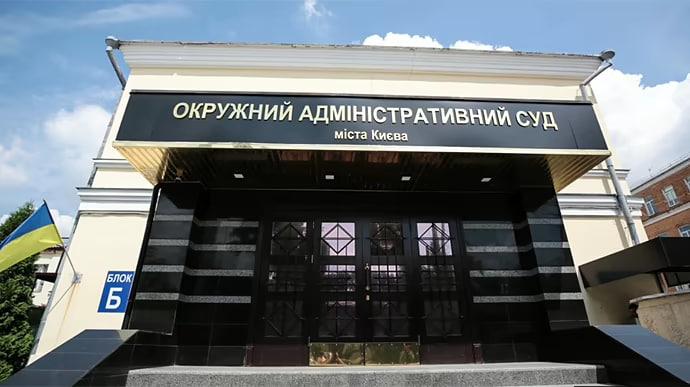
The answer lies in the cases where the defense and the prosecution failed to reach an agreement. From 2024 to 2026, the High Anti-Corruption Court closed at least eleven cases in their entirety because the limitation period had expired. According to the investigation, the state lost more than UAH 700 million and almost $50 million in these cases.
None of these cases ended in a final verdict, so the court never conclusively answered whether the defendants were guilty. In at least six of them, the injured parties’ civil claims were left without consideration, and the money was not returned to the state.
Why a plea agreement is not buying one’s way out
A plea agreement is not an exemption from liability but a guilty verdict. The person admits guilt and becomes a convicted offender. Likewise, a fine is a form of punishment, so calling it “buying one’s way out” is inaccurate. That is why such an agreement should be compared not with a harsh sentence but with what would happen without it. In general, the outcome of a criminal trial is only ever probable, and a plea agreement turns that uncertainty into a guarantee: a verdict, the status of a convicted person, money, and testimony against others.
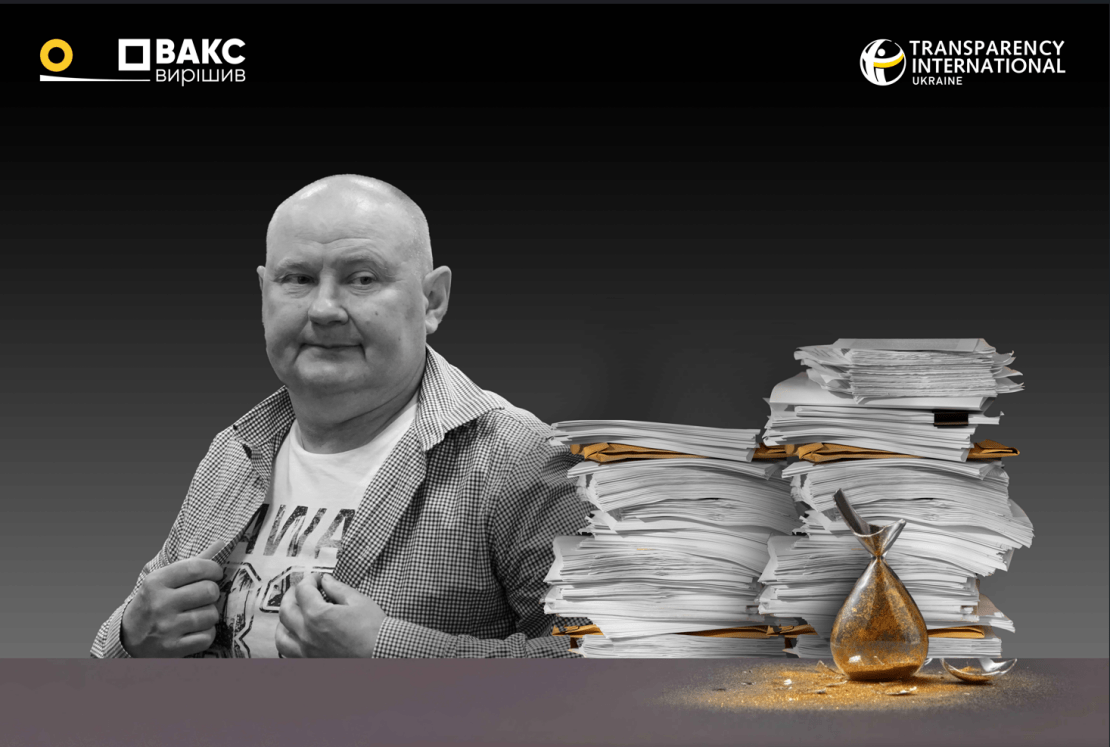
The Pashynskyi case illustrates this well. The events took place in the spring of 2014, but the notice of suspicion was served only in February 2024. The limitation period for abuse of office expires in 2028. On September 23, 2026, the HACC approved the plea agreement: Pashynskyi pleaded guilty, agreed to testify against others, and is to pay approximately UAH 1.1 billion. Of that sum, UAH 600 million goes to the state budget, UAH 400 million to the Come Back Alive foundation, and UAH 100 million to the Sternenko Community.
There will be no prison time, even though the state’s losses are estimated at UAH 817 million. At the same time, the case now has fewer defendants, so there is a chance to complete the trial of the remaining ones before 2028. One of them, Serhii Tyshchenko, also concluded a plea agreement. He transferred UAH 40 million to the Defense Forces and is to pay another UAH 110 million to the state budget.
Smaller agreements work the same way. In the case concerning housing for the National Guard, more than UAH 17 million was returned to the state. In the Ukrzaliznychpostach case, the defendants compensated the full UAH 21.5 million in losses. In the Centrenergo case, a businessman reimbursed UAH 8.25 million for gas, and his company wrote off UAH 149 million in debt in the state’s favor and paid an additional UAH 27.8 million.
Critics are right about something else: sometimes the compensation is incomplete, the sentence is probationary, and the rules governing plea agreements are poorly explained to the public. These are questions of the quality of the agreements and how they are communicated. But in many cases, a plea agreement becomes the only way to recover at least something of what was lost, because time runs out before the court can deliver a verdict.
What happens when there is no agreement
When a court releases a person from liability because the limitation period has expired, there is no verdict at all. As a result, there is no special confiscation either, which is the tool for seizing criminal assets. A civil claim in criminal proceedings is considered only together with the verdict, so the court leaves it without consideration. A corresponding claim can still be filed in civil proceedings, but that means a separate process and separate resources.
There have already been many such cases with unrecovered losses. For example, the cases closed in 2024–2026 followed three typical scenarios.
The case shuttles between instances while the limitation period runs out
Procurement of wheels for the Zaporizhzhia Electric Locomotive Repair Plant. Plant executives Hennadii Politykin and Oleksandr Fenin and private company director Leonid Yermakov were charged over the plant paying the company UAH 1.8 million for goods worth UAH 1.01 million. In April 2024, the HACC established losses of almost UAH 790,000. It sentenced Politykin to 5 years in prison and Fenin and Yermakov to 4 years each. In January 2025, however, the HACC Appeals Chamber overturned the verdict: the ten-year limitation period had expired on December 30, 2024, while the case was still on appeal.
The freeze on funds imposed for the purpose of special confiscation was lifted, and the plant’s civil claim was left without consideration.
Ukrzaliznytsia benefits. Company officials Petro Naumenko, Yurii Merkulov, and Liliia Petrenko were charged with granting unjustified benefits for freight transportation in 2014. The company’s civil claim amounted to UAH 69.2 million. In February 2022, the HACC acquitted all three. The Supreme Court sent the case back to the Appeals Chamber. On February 16, 2024, ten days before the ten-year limitation period expired, the Appeals Chamber found the defendants guilty and granted the claim. After a second cassation review, however, the Supreme Court overturned this verdict as well, by which time the limitation period had already expired. The Appeals Chamber closed the case in May 2025 with respect to two of the defendants and in November with respect to the third. Ukrzaliznytsia’s civil claim was left without consideration.
The case of former MP Valerii Patskan also “shuttled” between instances. He was charged with unlawfully receiving almost UAH 118,000 in compensation for housing and hotel accommodation. The HACC found the former MP guilty and released him due to the expiry of the limitation period. The Appeals Chamber then closed the case because his actions did not constitute a criminal offense, and the Supreme Court remitted it for a new hearing. In May 2025, the Appeals Chamber again released Patskan from punishment due to the expiry of the limitation period. The courts spent several years on the case, and the state received nothing.
The case reaches court late, or the investigation drags on
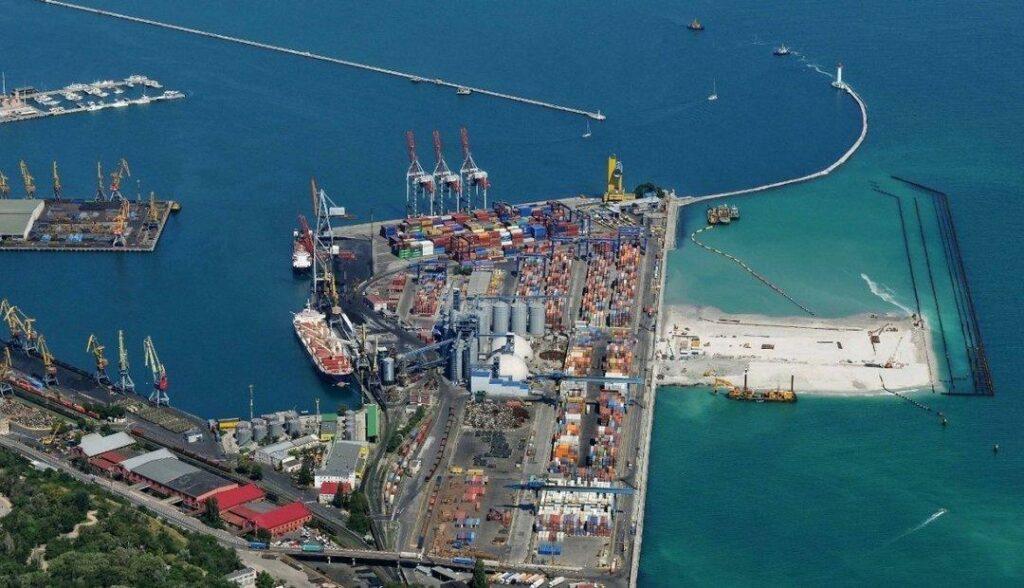
Ship dues at Pivdennyi Seaport. According to the investigation, in 2015, former Minister of Infrastructure Andrii Pyvovarskyi and his First Deputy Volodymyr Shulmeister allowed private companies to collect half of the ship dues. As a result, the state enterprise Ukrainian Sea Ports Authority (USPA) lost more than $49 million in revenue. The case reached the court in July 2024, and the ten-year limitation period expired as early as July 24, 2025. The court closed the case against Pyvovarskyi in October 2025 and against Shulmeister in April 2026.
The USPA’s $49.6 million civil claim was left without consideration, and the freezes on property were lifted. Time ran out primarily before trial. The investigation began in 2016, the NABU received the case files only in August 2019, and the notices of suspicion were served in 2023. The defense then spent almost a year reviewing the case files, so the case reached court only a year before the limitation period expired.We have previously explained why this case took so long to investigate.
The Agrarian Fund and sugar deliveries. The investigation into former Minister of Agrarian Policy Mykola Prysiazhniuk, which concerned the failure to deliver 70,000 tons of sugar worth UAH 521 million, began back in 2015. The case files reached the court only in January 2026, and not with an indictment but with a motion to release him from liability due to the expiry of the limitation period. Prysiazhniuk never became a defendant. Five weeks later, on February 13, the court closed the case and left the State Property Fund’s claim without consideration. In other words, the entire limitation period was used up by the pre-trial investigation, and the court never had a chance to consider the case on its merits.
Other cases in which a great deal of time was lost during the investigation or trial ended the same way:
- Odesa port. The case involving UAH 21.36 million in losses reached the HACC in November 2020. The trial had to start over several times because of changes to the panel of judges, and in March 2026, the court closed the case entirely with respect to all four defendants.
- “The vanished swimming pool.” A developer sold parking spaces on the site of a swimming pool intended for a school, causing the Kyiv community more than UAH 9.3 million in losses. The investigation began in 2014, the court had been hearing the case since 2020, and in January 2025, both defendants were released due to the expiry of the limitation period.
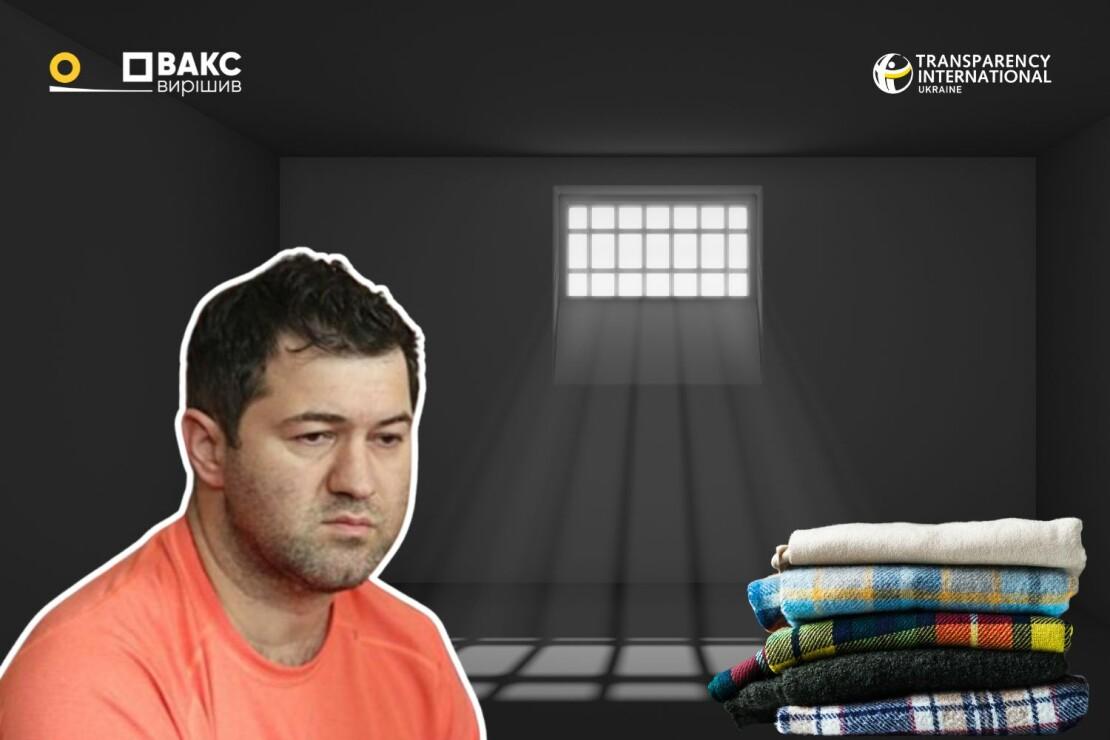
- Gas installment plans. Roman Nasirov received a custodial sentence a few weeks before the limitation period expired, after 6.5 years of trial. For Liudmyla Solotva, former head of a State Fiscal Service department whom the investigation considered an accessory, time ran out. On July 2, 2026, the case against her was closed, and Ukrgasvydobuvannya’s civil claim was left without consideration.
The charges are reclassified under a lighter article, and the limitation period shortens
The Energoatom auction. In September 2020, Oleksii Statnyk, a former director of a Ukrzaliznytsia branch who was temporarily in charge of Energoatom-Trading, held an auction to sell electricity. The contract was concluded at UAH 1,120 per megawatt-hour, even though, according to the prosecution, other bidders had offered up to UAH 1,300. The state lost out on UAH 93.76 million. Statnyk’s actions were classified as abuse of office, which carries a ten-year limitation period. In July 2026, however, the prosecutor changed the charge to official negligence. That offense carries a five-year limitation period, which had already expired on September 10, 2025. Just over a week later, on July 16, the court closed the case and left Energoatom’s civil claim without consideration.
Reclassification also featured in two other cases. In the case concerning procurement for the Artillery Armament Design Bureau, the actions of its director, Vadym Shtepenko, were reclassified from Article 364(2) to Article 367(2) of the Criminal Code. The losses amounted to UAH 1.68 million. As the court established, the limitation period expired on December 23, 2020, but the case was closed only in January 2024.
Apollinarii Nahalevskyi, a former official of the Prosecutor General’s Office, was charged with paying UAH 1.8 million for renovations that no one ever carried out. The Appeals Chamber reclassified his actions as concealment of a criminal offense. The Supreme Court then overturned that decision, and on January 20, 2026, the Appeals Chamber closed the case due to the expiry of the limitation period.
In none of these cases did the court answer the question of whether the defendants were guilty. The NABU and the SAPO received no assessment of the quality of their investigations. And the state spent years of work by investigators, prosecutors, and the court but recovered nothing.
The Pavlohrad Chemical Plant case: how a change in the charges affected the limitation period
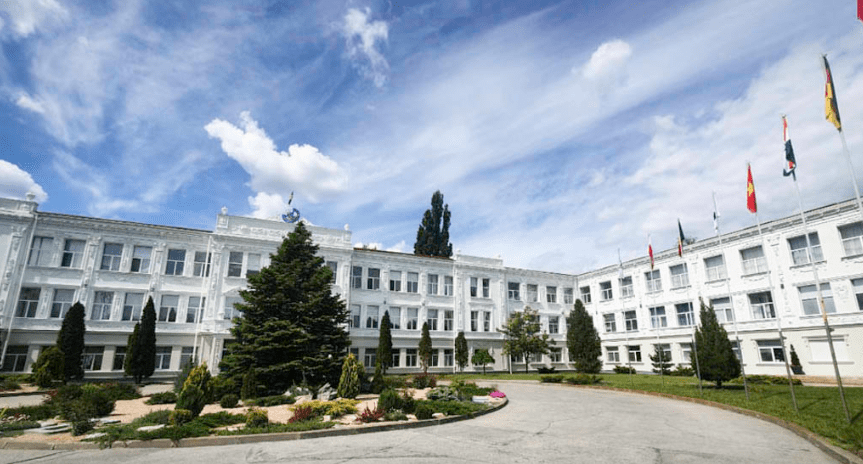
Let us take a closer look at the case against officials of the Pavlohrad Chemical Plant. The Appeals Chamber found one of the episodes of allegedly criminal activity unproven. As a result, General Director Leonid Shyman and Commercial Director Valerii Kyrylov were released from punishment due to the expiry of the limitation period. The court of first instance had found them guilty on all counts. The HACC Appeals Chamber, however, concluded that engaging Zoria Research and Production Enterprise LLC as a dealer had been a necessary and reasonable step, and it therefore excluded this episode from the charges.
This shifted the end date of the criminal activity as a whole, and with it the limitation period expired. Separately, the Appeals Chamber overturned the HACC’s decision on the civil claim. The judges ruled that the prosecutor should have brought the claim in the interests of the plant rather than the relevant ministry.
A cassation review lies ahead. Even if the Supreme Court rules in SAPO’s favor, the convicted persons mentioned here will not serve their sentences, because by then the limitation period will have expired even when the last episode involving Zoria is counted. A favorable ruling would, however, still make it possible to recover the losses through civil proceedings.
This case shows that the limitation period does not expire only because proceedings take too long. When the Appeals Chamber excluded one of the episodes, the end date of the alleged criminal activity changed, and so did the moment the limitation period expired. The result was release from punishment due to the expiry of the limitation period, even though the court of first instance had found both defendants guilty on all counts. As for compensation for the losses, which according to the prosecution reached UAH 43.3 million, the decision on the civil claim was overturned over the question of proper representation of the state’s interests. The Appeals Chamber ruled that the claim should have been filed in the interests of the plant itself, not the relevant ministry.
What needs to change
As we can see, when the limitation period expires, the public gets no answer as to whether the defendants are guilty. The losses caused also remain merely alleged, and the chances of recovering them diminish. Under these conditions, plea agreements remain a way to obtain at least some compensation.
The public has been raising the problem of limitation periods for several years now. Our European partners likewise stress the need to resolve it. In particular, commitments to revise approaches to limitation periods in high-level corruption cases were included in the “Kachka-Kos plan.”
Parliamentarians have also responded to the problem. Transparency International Ukraine analyzed Draft Law No. 15354 on amendments to Article 49 of the Criminal Code. The draft law proposes suspending the running of the limitation period in NABU and SAPO cases while the defendant is performing military service, provided the proceedings against them have been suspended. For grave and especially grave corruption offenses, it would suspend the limitation period from the moment the indictment is referred to court. Currently, the limitation period keeps running until the verdict enters into force.
However, suspending the limitation period once a case has been referred to court does not cover all corruption offenses. Among those left out are abuse of office (Article 364(1) of the Criminal Code) and trading in influence (Article 369-2(1) of the Criminal Code). The mobilization ground applies only to NABU and SAPO cases, even though most corruption verdicts are handed down by local courts on the basis of materials from other agencies: in 2025, these courts convicted 3,268 people. We therefore propose adopting the draft law at first reading, refining it, and revising the rules for calculating limitation periods systemically.
First, instead of suspending the limitation period from the moment a case is referred to court, interrupt it or calculate it up to the first-instance verdict. Currently, the limitation period runs until the verdict enters into force. That is exactly what happened in the Zaporizhzhia plant and Ukrzaliznytsia cases: there was a verdict, but the limitation period expired at the appeal stage. At the same time, the court needs effective tools to counter delaying tactics. Interruption would mean that once the indictment is referred to court, a new limitation period begins: 3, 5, 10, or 15 years, depending on the gravity of the criminal offense. This would give the court a defined period for the trial and give the defense a clear time limit.
Second, suspend the limitation period on account of mobilization in all proceedings concerning corruption and corruption-related offenses, not just in NABU and SAPO cases.
Third, increase penalties proportionately for certain corruption offenses whose limitation periods are unjustifiably short: the basic bribery offenses, trading in influence, and abuse of office (Article 364).
Fourth, add a new ground for suspension: procedural actions taken as part of international mutual legal assistance. The court should be given the right to verify whether such actions were actually taken. The limitation period should resume running once the relevant actions are completed, in particular once a response to a request for international legal assistance has been received.
With these changes, the court will have enough time to try top-level corruption cases within a reasonable timeframe.
Plea agreements cannot make up for systemic problems in criminal procedure. They give the state a chance to ensure a verdict and compensation where protracted proceedings threaten to run out the limitation period. However, the response cannot stop at improving plea agreements; it must also include a review of the rules for calculating limitation periods and organizing trials. These changes must both prevent defendants from evading liability by dragging out cases and protect individuals from criminal prosecution with no time limit.
Author: Pavlo Demchuk, Senior Legal Advisor at Transparency International Ukraine