

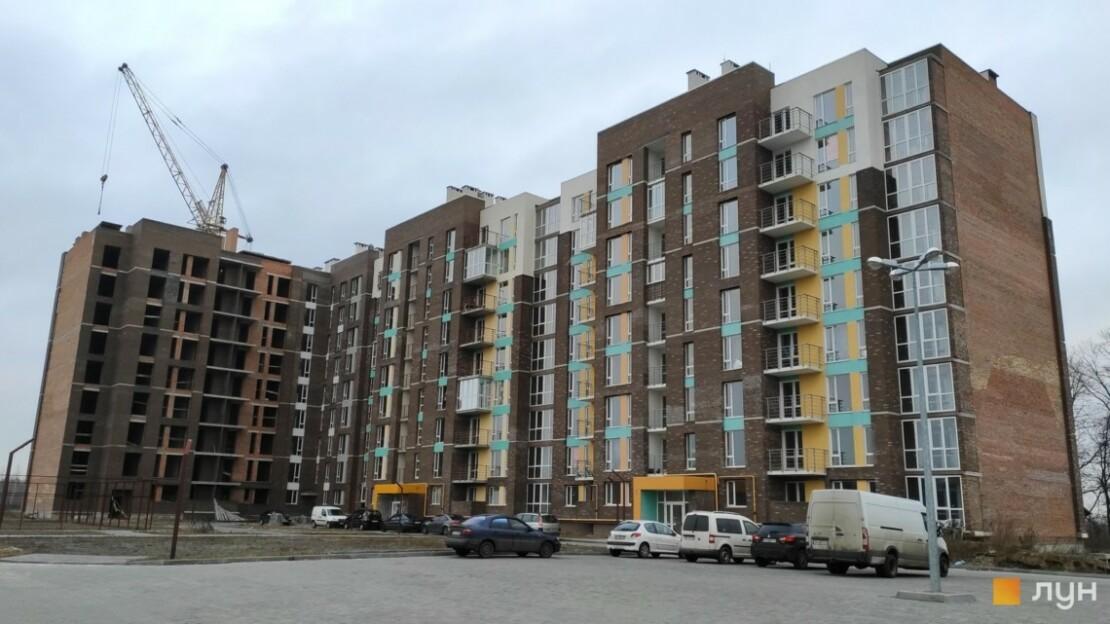
The HACC approved a plea agreement in the case concerning embezzlement in the procurement of apartments for the National Guard.
Under the terms of the agreement, Kyiv developer Andrii Nemeriuk and two individuals connected to him — Dmytro Lashkovitser and Oleh Voinalovych — admitted their guilt. Their actions were reclassified as fraud. On the basis of the agreement, they were sentenced to imprisonment with a probationary period. Earlier, the HACC had closed the proceedings against two National Guard officials, who had been charged with official negligence, due to the expiry of the limitation period.
In 2017, over UAH 85 million was allocated from Ukraine's state budget to purchase housing for National Guard service members. Upon learning of this, Andrii Nemeriuk, a developer from Khmelnytskyi Region, decided to exploit the state program for his own benefit. He conceived a plan to appropriate part of the budget funds allocated for apartments for the military.
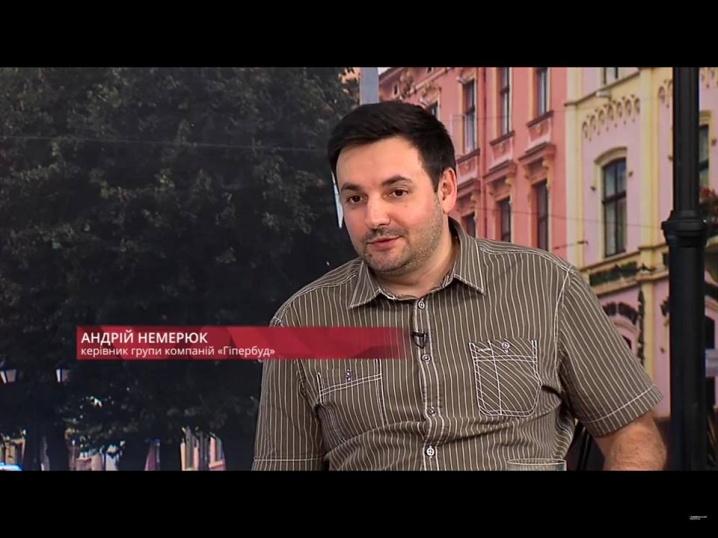
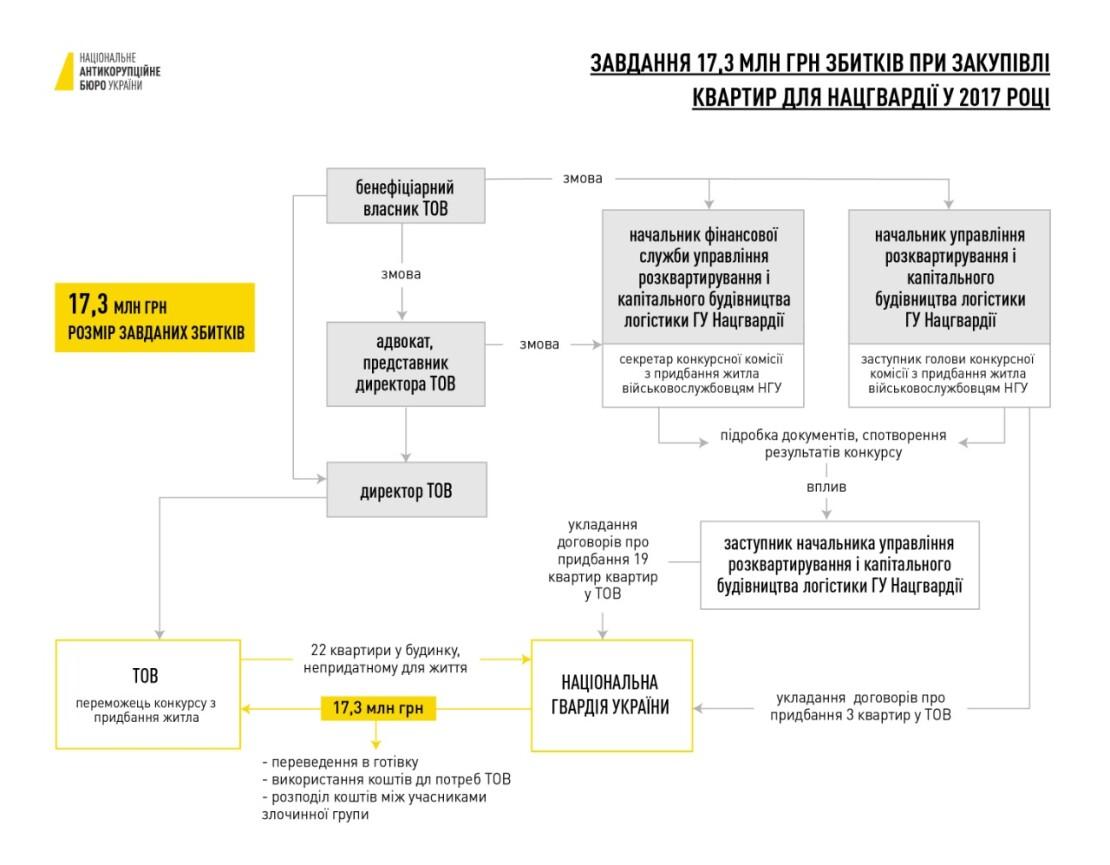
To carry out this plan, he needed both National Guard officials who sat on the tender committee and controlled firms through which the scheme could be run. In particular, according to the investigation, Nemeriuk drew the following into the scheme:
- Leonid Sikora, Head of the Quartering and Capital Construction Directorate for Logistics of the NGU Main Directorate;
- Mykola Modlinskyi, Head of the Finance Department of the same NGU directorate;
- Dmytro Lashkovitser, director of Buchazhytlobud-Credit LLC;
- Oleh Voinalovych, head of the Bucha-Zhytlobud No. 1 housing construction cooperative.
Oleksandr Yarosh, Deputy Head of the Quartering and Capital Construction Directorate for Logistics of the National Guard Main Directorate, was also brought into the scheme, but, as the investigation established, he was not part of the group.
Acting as a criminal group, they influenced the housing procurement procedure by defining the need specifically for apartments in Kyiv Region. To carry out the plan, they selected the Forest Land residential complex in Bucha, which at the time had not even been completed — only a few sections of the building had been finished.
To create the appearance that the developer had apartments available, Nemeriuk concluded fictitious buyout agreements for the not-yet-completed apartments with a controlled firm run by his mother-in-law. According to the detectives, Nemeriuk's company actually paid for only four apartments, while the rest remained unpaid for. The developer's calculation was simple: to make the National Guard pay for unfinished apartments as if they were turnkey-ready, and pocket the difference.
Nemeriuk controlled dozens of legal entities registered in the names of acquaintances, through which he carried out construction. It was these firms that were formally responsible for the properties listed in the documents and, in the event of a scandal, would serve as scapegoats.
The particular cynicism of the scheme lay in the fact that some of the apartments sold to the National Guard belonged to retail housing investors who had financed the construction. In effect, someone else's property was being sold to the military. How Nemeriuk planned to settle up with the defrauded investors is unclear.
Despite all this, Nemeriuk's company entered an open tender and won by offering the lowest price. The bid was, unsurprisingly, the lowest, because what was essentially being sold were unfinished buildings rather than completed housing, and moreover investors had already paid for them. After that, with the help of National Guard officials, the group members created the impression that the housing was ready for residents to move in. The documentation stated that the apartments were fully habitable, although in reality the building was not connected to the power grid, the sewage system did not work, and interior work had been only partially completed.
Following the tender, the National Guard concluded contracts with Nemeriuk's company to purchase 22 apartments in the Forest Land residential complex. The Guard paid over UAH 17.3 million in budget funds for these apartments.
Initially, all members of the group were charged under Article 191(5) and Article 366(2) of the Criminal Code of Ukraine. The proceedings against the National Guard officials Sikora and Modlinskyi were severed into a separate case because they had been put on the wanted list. When the case reached the court, the actions of Sikora and Modlinskyi were reclassified as official negligence under Article 367 of the Criminal Code, for which the limitation period had already expired. They were therefore released from criminal liability.
Nemeriuk himself, as well as Lashkovitser and Voinalovych, agreed to a plea agreement. Shortly before concluding this agreement, the prosecution reclassified their actions as fraud (Article 190 of the Criminal Code), that is, a non-corruption offense.
Under the terms of the agreement, Nemeriuk and his accomplices fully compensated the damages, returning over UAH 17 million to the state. As a result, all three received a sentence of five years' imprisonment with a probationary period. Nemeriuk was also banned from holding certain positions for one year.
The construction of the Forest Land complex remains mired in scandal to this day. Dozens of defrauded investors still cannot obtain their apartments; they are appealing to the authorities and the courts, forming action groups, and closely following the court cases.
During the proceedings, the developer hid from the court for a time, so he was put on the wanted list, and the HACC conducted special court proceedings in his absence. Nemeriuk later appeared, and the court continued the proceedings with his participation.
This is not the only corruption case involving housing for National Guard members. In another National Guard apartments case, the suspects include former NGU Commander Yurii Allerov and former MP Maksym Mykytas.

 23/07/2021


